

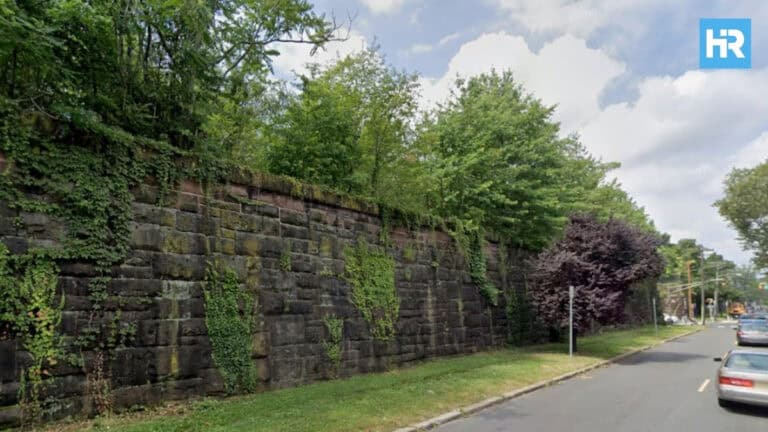
Jersey City has moved forward with converting the Sixth Street Embankment into a nearly mile-long elevated park. The City Council unanimously approved a settlement agreement that transfers the embankment’s open-space parcels to the city and establishes a path for redevelopment. The decision follows more than two decades of legal disputes and stalled efforts involving the historic rail structure.
- Jersey City approved a settlement that will turn the overgrown Sixth Street Embankment into a nearly mile-long public elevated park after more than 25 years of disputes.
- The deal allows The Albanese Organization to pursue a 40-story building with 604 rental units, including 30 affordable units, plus a pedestrian bridge, elevator, restrooms, and a 30-foot public access easement.
- Supporters say the new greenway could become New Jersey’s version of the High Line, connecting neighborhoods, expanding natural space, and ending decades of legal battles with Conrail and private developers.
History and Present Condition of the Overgrown Rail Corridor
The embankment sits between Sixth and Fifth streets and runs from Marin Boulevard to Brunswick Street in downtown Jersey City. Once part of the Harsimus Branch of the Pennsylvania Railroad, the elevated line carried freight trains for almost a century until service ended in 1999. Since then, dense vegetation has grown across the site, forming what residents described as a “naturally-seeded downtown urban forest” that captures carbon dioxide, absorbs stormwater, and cools nearby streets. No trees were planted, and no public funds were used to maintain the growth.
Preservation advocates described the landscape as a rare resource with environmental and educational value. The corridor has been compared to Manhattan’s High Line, which is 1.45 miles long and attracts an estimated 7 million visitors each year. City officials mentioned the potential for future connections between the embankment, the Bergen Arches, and the East Coast Greenway.
Legal Conflict Between Jersey City and Conrail
The dispute began when Conrail sold the embankment to eight LLCs tied to developer Steve Hyman. Conrail did not obtain authorization from the federal Surface Transportation Board to formally abandon the rail line before selling it. Jersey City argued that without formal abandonment, Conrail was required to offer the property to public entities before selling to private parties. This disagreement led to a long legal battle between the city and the Hyman family, continuing until Hyman’s death in 2019.
The Embankment Preservation Coalition pushed for a resolution and supported public control of the property. The settlement agreement includes the withdrawal of all objections related to the Surface Transportation Board dispute, closing the central issue over the embankment’s sale.
Development Elements Included in the Settlement
The agreement grants The Albanese Organization ownership of the easternmost block of the embankment. Conceptual plans allow for a 40-story residential rental tower with 604 units, including 30 affordable units. The plans include 172 parking spaces, a 30-foot public right-of-way easement, a grand staircase, public restrooms, and a public elevator providing access to the elevated structure. A pedestrian bridge would link the tower’s parcel to the remaining blocks.
The city would receive the western six blocks for public parkland. The plan also includes improvements to the Roberto Clemente Baseball Field. Supporters described the project as a significant civic improvement for downtown Jersey City.
Next Steps for Final Approval
The council also introduced an ordinance proposing a 30-year tax abatement for the development portion. Both the settlement agreement and the tax abatement require approval on second reading. If approved, the actions would conclude decades of litigation and advance the creation of a new elevated park and open space in the city’s core.