


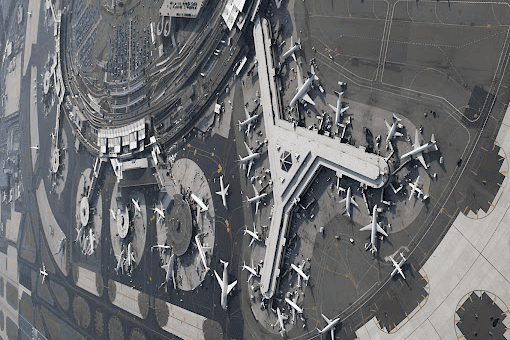
Flights at Newark Liberty International Airport in New Jersey were briefly paused early Monday, March 23, after air traffic controllers evacuated the control tower due to a burning smell detected around 7:30 a.m. local time.
The Federal Aviation Administration said the odor came from an elevator inside the tower, which triggered the evacuation and a temporary ground stop.
“Arrivals and departures are temporarily paused at Newark Liberty International Airport in New Jersey after air traffic controllers evacuated the tower because of a burning smell coming from an elevator,” the FAA said.
Officials later confirmed no fire occurred.
- A ground stop halted arrivals and departures at Newark Liberty International Airport on Monday, March 23, after air traffic controllers evacuated the tower around 7:30 a.m. local time because of a burning smell.
- The Federal Aviation Administration said the odor came from an elevator, and officials confirmed no fire occurred. Controllers returned to the tower roughly 30 minutes later, and the ground stop ended at about 8:35 a.m.
- The disruption occurred during TSA staffing issues that led to ICE agents being deployed to airports including Newark, and less than eight hours after a fatal runway collision at LaGuardia Airport killed two pilots.
Backup Control Operations Activated During Investigation
Airport officials transferred operations to a backup control facility located on site at Newark, near Terminal C, while investigators examined the elevator area.
The ground stop took effect at about 8:10 a.m., temporarily suspending aircraft arrivals and departures.
The FAA classified the operational impact as “medium.”
Officials expected the ground stop to continue until at least 8:30 a.m.
Controllers returned to the main tower around 8:30 a.m., and the FAA lifted the ground stop at approximately 8:35 a.m.
The interruption lasted less than one hour.
Authorities said it was not immediately known what caused the burning smell and did not confirm whether anyone was injured.
Regional Airports Already Under Pressure After Deadly Crash
The Newark incident occurred less than eight hours after a fatal runway collision at LaGuardia Airport in Queens.
Late Sunday, an Air Canada-operated flight collided with a fire truck on the runway, killing two pilots. The accident forced LaGuardia Airport to close until at least Monday afternoon.
Flight diversions from LaGuardia added pressure to airports across the New York metropolitan area, including Newark.
Federal aviation officials also introduced new radar separation requirements for helicopters and aircraft at major airports following a fatal midair collision near Washington, D.C.
The updated safety rules require air traffic controllers to maintain separation using radar technology instead of visual observation.
ICE Agents Sent To Airports During TSA Staffing Crisis
The morning disruption at Newark occurred while airports across the United States were dealing with Transportation Security Administration staffing shortages linked to a federal government funding crisis.
Immigration and Customs Enforcement agents were deployed Monday to assist at more than a dozen airports across the country.
The list included Newark Liberty International Airport, John F. Kennedy International Airport, and LaGuardia Airport.
Officials estimated that about 65 ICE agents were stationed across Newark’s terminals.
Their assignment involved monitoring terminal entrances and exits, which freed TSA officers to focus on passenger screening.
President Donald Trump spoke about the deployment during a gaggle with reporters on the tarmac in Palm Beach, Florida.
“They really are a high-level group of people and they love it because they’re able to now arrest illegals as they come into the country. That’s very fertile territory,” Trump said.
“But that’s not why they’re there. They’re really there to help,” Trump added.
Officials explained that ICE agents stationed at airports remain federal law enforcement officers, so they can act if they encounter illegal activity.
Despite the partial government shutdown, TSA security lines at Newark continued moving and flight delays remained minimal.
New Jersey Officials Criticize Federal Deployment
New Jersey political leaders responded to the presence of ICE agents at airports in the state.
Governor Mikie Sherrill issued a statement criticizing the decision.
“Every time Donald Trump gets involved, he creates chaos for the American people. This latest proposal is no different,” Sherrill said.
She also stated that sending ICE agents to airports was not an acceptable solution to TSA staffing shortages.
“Trump’s ICE has a track record of making communities less safe, and sending untrained ICE agents to staff our airports is not an acceptable solution,” Sherrill said.
U.S. Senator Cory Booker also criticized the plan.
Booker said the Port Authority Police already had airport security under control and called the deployment a political stunt.
“And now suddenly Donald Trump has brought chaos into our airport in New Jersey,” Booker said.
Newark Airport Also Dealt With Crowding Days Earlier
The evacuation of the control tower followed another disruption at Newark days earlier.
On Friday, March 20, airport operations were affected by heavy passenger volume that caused overcrowding inside terminals.
That situation also led to a ground stop, although it was unrelated to air traffic control operations.
Across the aviation system, officials continue to address issues including air traffic controller shortages, aging infrastructure, and rising passenger demand during the post-pandemic recovery period.
Controllers returned to the main tower shortly after the elevator investigation, and airport operations resumed following the lift of the ground stop at approximately 8:35 a.m..
Flights at Newark Liberty International Airport in New Jersey were briefly paused early Monday, March 23, after air traffic controllers evacuated the control tower due to a burning smell detected around 7:30 a.m. local time.
The Federal Aviation Administration said the odor came from an elevator inside the tower, which triggered the evacuation and a temporary ground stop.
“Arrivals and departures are temporarily paused at Newark Liberty International Airport in New Jersey after air traffic controllers evacuated the tower because of a burning smell coming from an elevator,” the FAA said.
Officials later confirmed no fire occurred.
- A ground stop halted arrivals and departures at Newark Liberty International Airport on Monday, March 23, after air traffic controllers evacuated the tower around 7:30 a.m. local time because of a burning smell.
- The Federal Aviation Administration said the odor came from an elevator, and officials confirmed no fire occurred. Controllers returned to the tower roughly 30 minutes later, and the ground stop ended at about 8:35 a.m.
- The disruption occurred during TSA staffing issues that led to ICE agents being deployed to airports including Newark, and less than eight hours after a fatal runway collision at LaGuardia Airport killed two pilots.
Backup Control Operations Activated During Investigation
Airport officials transferred operations to a backup control facility located on site at Newark, near Terminal C, while investigators examined the elevator area.
The ground stop took effect at about 8:10 a.m., temporarily suspending aircraft arrivals and departures.
The FAA classified the operational impact as “medium.”
Officials expected the ground stop to continue until at least 8:30 a.m.
Controllers returned to the main tower around 8:30 a.m., and the FAA lifted the ground stop at approximately 8:35 a.m.
The interruption lasted less than one hour.
Authorities said it was not immediately known what caused the burning smell and did not confirm whether anyone was injured.
Regional Airports Already Under Pressure After Deadly Crash
The Newark incident occurred less than eight hours after a fatal runway collision at LaGuardia Airport in Queens.
Late Sunday, an Air Canada-operated flight collided with a fire truck on the runway, killing two pilots. The accident forced LaGuardia Airport to close until at least Monday afternoon.
Flight diversions from LaGuardia added pressure to airports across the New York metropolitan area, including Newark.
Federal aviation officials also introduced new radar separation requirements for helicopters and aircraft at major airports following a fatal midair collision near Washington, D.C.
The updated safety rules require air traffic controllers to maintain separation using radar technology instead of visual observation.
ICE Agents Sent To Airports During TSA Staffing Crisis
The morning disruption at Newark occurred while airports across the United States were dealing with Transportation Security Administration staffing shortages linked to a federal government funding crisis.
Immigration and Customs Enforcement agents were deployed Monday to assist at more than a dozen airports across the country.
The list included Newark Liberty International Airport, John F. Kennedy International Airport, and LaGuardia Airport.
Officials estimated that about 65 ICE agents were stationed across Newark’s terminals.
Their assignment involved monitoring terminal entrances and exits, which freed TSA officers to focus on passenger screening.
President Donald Trump spoke about the deployment during a gaggle with reporters on the tarmac in Palm Beach, Florida.
“They really are a high-level group of people and they love it because they’re able to now arrest illegals as they come into the country. That’s very fertile territory,” Trump said.
“But that’s not why they’re there. They’re really there to help,” Trump added.
Officials explained that ICE agents stationed at airports remain federal law enforcement officers, so they can act if they encounter illegal activity.
Despite the partial government shutdown, TSA security lines at Newark continued moving and flight delays remained minimal.
New Jersey Officials Criticize Federal Deployment
New Jersey political leaders responded to the presence of ICE agents at airports in the state.
Governor Mikie Sherrill issued a statement criticizing the decision.
“Every time Donald Trump gets involved, he creates chaos for the American people. This latest proposal is no different,” Sherrill said.
She also stated that sending ICE agents to airports was not an acceptable solution to TSA staffing shortages.
“Trump’s ICE has a track record of making communities less safe, and sending untrained ICE agents to staff our airports is not an acceptable solution,” Sherrill said.
U.S. Senator Cory Booker also criticized the plan.
Booker said the Port Authority Police already had airport security under control and called the deployment a political stunt.
“And now suddenly Donald Trump has brought chaos into our airport in New Jersey,” Booker said.
Newark Airport Also Dealt With Crowding Days Earlier
The evacuation of the control tower followed another disruption at Newark days earlier.
On Friday, March 20, airport operations were affected by heavy passenger volume that caused overcrowding inside terminals.
That situation also led to a ground stop, although it was unrelated to air traffic control operations.
Across the aviation system, officials continue to address issues including air traffic controller shortages, aging infrastructure, and rising passenger demand during the post-pandemic recovery period.
Controllers returned to the main tower shortly after the elevator investigation, and airport operations resumed following the lift of the ground stop at approximately 8:35 a.m..