
Home Blog Page 44

Campgrounds in New Jersey: Where to Pitch Your Tent or Park Your RV

Campgrounds in New Jersey

You probably don’t think of “camping” when you hear “New Jersey,” but that’s your first mistake.

The Garden State punches above its weight with campgrounds that range from beachside escapes to pine-filled retreats.

Whether you’re here to rough it or want a spot where the kids can roast marshmallows without complaining, there’s no doubt NJ has a place for you.

So, let’s talk about the ones that get it right.

Shady Pines

Kicking things off, let’s talk about Shady Pines in Galloway Township.

This spot is just 10 minutes from the buzz of Atlantic City, but you’ll never know it once you settle in.

Surrounded by two wildlife refuges, it’s a peaceful getaway that works for everyone—from families with kids to those embracing the 55+ lifestyle.

With over 95 full-hookup sites, it has space for big rigs, tents, and even a spacious RV rental if you don’t have a setup.

Every site comes with a private picnic table and fire ring, which is convenient as they’re a nightmare to travel with if you don’t have the space.

And they’ve also covered the extras: a swimming pool, shuffleboard, basketball courts, and even an arcade for when the kids (or you) need a break from the outdoors.

To top it all off, they also host bingo nights, potlucks, barbecues, and other events. So, there is, basically, zero chance you’ll get bored.

Turkey Swamp Park

If you end up heading to Turkey Swamp Park in Freehold, you’d better bring your sense of adventure (and maybe a fishing pole).

This activity haven, easily one of the best campgrounds in New Jersey, is practically an outdoor playground.

The lake is beautiful and the main attraction, with rentals for canoes, kayaks, rowboats, and paddleboats, or you can bring your own.

And if fishing’s your thing, you’ll have a chance to catch some bass, catfish, and bluegill.

Amazingly, though, the park is packed with space to just be outside.

Picnic areas with grills, open fields perfect for a lazy game of catch, and playgrounds for the kids make it easy to spend the whole day here.

It’s also one of the most serene places in New Jersey to explore: 9 miles of trails that’ll take you through wooded paths filled with pitch pines and oak trees.

Bonus points if you spot wildlife along the way.

Not to mention, they’ve got big group shelters that fit up to 250 people, an archery range, and sports fields.

The beauty of this place lies in the fact you can fill your day doing as much—or as little—as you want.

Sun Retreats Long Beach Island

Without question, Sun Retreats Long Beach Island in Barnegat knows a thing or two about camping in NJ.

Just 10 miles from the beach, it’s close enough for sandy afternoons but far enough to feel like a proper getaway.

The campground has space galore for all you RVers, tent campers, and even those who prefer a cozy cabin over sleeping under the stars.

It’s a family favorite; parents love seeing the little ones happy as they play their way through the giant jumping pillow, playground, and mini-golf course.

For a slower pace, there are nature trails to wander or a pool to cool off in. And even your dog gets a space to run at the on-site dog park.

Every site comes with the basics: water hookups, a fire ring, a grill, and a picnic table.

And if you forget something or need a snack, there’s a store with all you need, so you won’t have to worry about that.

Add in little conveniences like laundry facilities and an arcade for rainy days, and it’s a spot that makes camping feel easy.

Sun Retreats Avalon

Sun Retreats Avalon in Cape May Court House is a Jersey Shore camping spot you’ll likely fall in love with.

The campground features a 2,000-square-foot pool, a fishing lake, and kayak rentals for when you want to get out on the water.

And on land, there’s shuffleboard, bocce, and even a zip line.

Beyond the campground, you’re minutes from Cape May’s wildlife refuge and the county zoo—so it’s a great excuse for a quick day trip.

You can also check out nearby vineyards for tastings. Or for a dose of Shore nostalgia, Morey’s Piers isn’t far, with its rides, games, and boardwalk delights.

On-site, the setup is, thankfully, straightforward. A general store for supplies, laundry when you need it, and even golf carts to zip around.

They didn’t forget about the kids or the dogs, either—there’s an arcade, a playground, and a dog park.

Yogi Bear’s Jellystone Park™ Camp-Resort: South Jersey

There’s no way around it—Yogi Bear’s Jellystone Park™ Camp-Resort: South Jersey in Williamstown is built for families who want a fun, easy getaway.

There’s a swimming lake, pools, and gem mining that allows the kids to dig for treasure.

And the jumping pillow they’re adding soon will surely be a crowd-pleaser.

Additionally, you’ll find paddle boats and kayaking, sports fields, and arts and crafts.

The arcade is a nice touch, too—because sometimes you just need a break indoors.

And their campsites and cabins are ready for you to settle in, the general store handles the last-minute “we forgot this” moments, and bike rentals or golf carts make it easy to get around.

Harmony Ridge Farm & Campgrounds

There’s something easygoing about Harmony Ridge Farm & Campgrounds in the Kittatinny Mountains.

Sprawled across 160 acres, this family-run spot has been welcoming campers since 1963.

It’s got all the outdoor classics—swimming, fishing, hiking—and plenty of room to enjoy the outdoors.

And there’s a crazy amount of other activities: paddle boats, shuffleboard, bocce, volleyball, and even a hockey rink.

What’s more, there’s a gaga ball court, a baseball field, and horseshoes, too, so if you’re with family or a big group, it’s one of the best NJ campgrounds you could go to.

Plus, the pavilion is a nice touch for group dinners or having some shade to gather under, and the playground and pool will entertain the kids for hours.

But, for sure, the best aspect of this place is the picturesque view of Kittatinny Mountain.

And, of course, the practical side of camping is covered: camp store for supplies, clean restrooms and showers, and laundry facilities for longer stays.

Chestnut Lake RV Campground

If a quiet retreat in the New Jersey Pine Barrens sounds like your kind of getaway, Chestnut Lake RV Campground might be the perfect fit.

With a peaceful fishing lake and a pool for cooling off, this NJ campground is one of the best places to slow down and enjoy the outdoors––a great spot to fish, read a book by the pool and relax under the trees.

And there’s more to it than the tranquil vibe.

The campground has 189 sites and welcomes pets, so you don’t have to leave your furry friends behind.

Kids can burn off energy at the playground, and for some casual fun, there’s shuffleboard, mini-golf, and a clubhouse with billiards and arcade games.

Laundry facilities are there, too, and the camp store is there for anything you forgot to pack.

However, what makes Chestnut Lake stand out is its location.

It’s a short drive to Atlantic City and Cape May, so it’s a breeze to access beaches, boardwalks, and clubs if you feel like getting your groove on.

Camping New Jersey: Find Your Perfect Spot

Camping in New Jersey will surprise you.

Whether it’s the peaceful escape of the Pine Barrens at Chestnut Lake, the non-stop fun of Jellystone Park, or the beachside convenience of Sun Retreats, there’s a spot here for every camper.

As we’ve seen, every campground in New Jersey is unique in its own right.

Some are perfect for families who want activities like gem mining or mini-golf, while others are built for hikers, fishers, and people who want to be among nature.

And with great locations close to places like Cape May, Atlantic City, and even New York City, the convenience is hard to beat.

The only question left is: Where are you heading first?

P.S. If you’ve got time, why not treat yourself to a meal at one of the best restaurants in NJ?
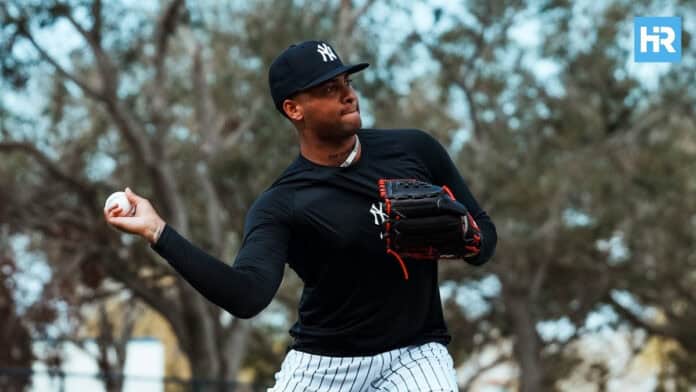
Yankees Trade Speculation Heats Up as Injuries to Luis Gil and DJ LeMahieu Create Urgent Roster Gaps

The New York Yankees, an empire built on power and precision, are suddenly looking a lot like a house of cards, ready to topple at the slightest gust of wind.

The season hasn’t even started, and already, the cracks are showing.

Luis Gil, the reigning AL Rookie of the Year, is down with a shoulder issue.

So, the Yankees, of course, are playing the waiting game, hoping an MRI will tell them something they want to hear.

And then there’s DJ LeMahieu, the veteran infielder who was supposed to provide stability at third base, now sidelined with a calf injury.

Suddenly, everything’s in flux.

So what do the Yankees do?

Do they react with the urgency of a team that is supposed to be competing for a title?

Or do they sit back and pretend their depth chart is just fine?

Right now, it feels like the latter.

Key Takeaways
  • Luis Gil’s shoulder injury during a bullpen session leaves the Yankees scrambling, pushing Marcus Stroman—once seen as trade bait—into the No. 5 starter role.
  • DJ LeMahieu’s calf strain in a Spring Training game against the Astros forces the Yankees to weigh internal options or pursue a trade for Ke’Bryan Hayes or Nolan Arenado.
  • With Giancarlo Stanton’s status uncertain and bullpen depth lacking, the Yankees are in talks for J.D. Martinez, Nolan Arenado, and left-handed relievers like Brooks Raley.

Stroman: From Trade Bait to Lifeline

Marcus Stroman is still here, which is something nobody was expecting a month ago.

The Yankees had been dangling him in trade talks, seeing if they could offload his $18.5 million salary for something shinier.

But now, thanks to Gil’s injury, they need him desperately.

And here’s the thing about Stroman—he’s a good pitcher, but is he a good Yankees pitcher?

Well, New York expects dominance, not just reliability.

Stroman is solid, but he doesn’t exactly scream “ace.”

He’s stepping into the No. 5 starter role out of necessity, not because the Yankees want him there.

It’s a situation that makes you wonder: Why wasn’t the rotation built to withstand an injury or two?

The Yankees committed a massive $218 million to Max Fried, so they’re clearly willing to spend when it suits them.

But now, when an injury strikes, they suddenly have to scramble.

It’s just another example of this team constantly reacting instead of preparing.

The Third Base Mess That Should Have Been Avoided

Then we get to DJ LeMahieu.

He’s 36 years old, coming off a mediocre, injury-plagued season.

And yet, the Yankees entered Spring Training acting as if he was going to hold down third base with no problems.

That was always a mistake.

Now, after tweaking his calf, he’s a question mark for Opening Day.

So what happens now?

Both Oswaldo Cabrera and Oswald Peraza are young, unproven, and far from ideal solutions.

The Yankees should have fixed this problem months ago.

And yet, here we are.

The answer seems obvious to everyone except those who actually make decisions in the Bronx: Go get Nolan Arenado.

Yankees fans are practically begging for it at this point.

The trade rumors have been swirling for months, and now there’s a real reason to pull the trigger.

Arenado is still a defensive wizard at third base, and even though he’s not the MVP-level hitter he used to be, he’d still be an instant upgrade.

But will the Yankees do it?

Probably not.

They’ll claim his contract—$74 million over the next few years—is too big.

Or they’ll decide they don’t want to part with prospects.

Meanwhile, they’re relying on Cabrera, who hit a forgettable .247/.296/.365 last year, and Peraza, who’s still an unknown.

Flirting With J.D. Martinez, But Why?

And while we’re talking about questionable moves, let’s address the J.D. Martinez rumors.

With Giancarlo Stanton’s availability in question, the team has reportedly made “some contact” with free agent J.D. Martinez.

But is signing a 37-year-old Martinez the answer?

Martinez was decent last year for the Mets—.235 average, 16 homers, 69 RBIs—but he’s not exactly the power bat he once was.

If this is just a stopgap solution, that’s fine.

But if the Yankees think he’s some kind of game-changer, then they’re fooling themselves.

Meanwhile, the Bullpen is Still a Puzzle

Remember when the Yankees had an elite bullpen?

That feels like a lifetime ago.

Right now, it’s a patchwork situation.

Tommy Kahnle is gone, off to Detroit on a one-year, $7.75 million deal.

Devin Williams is the new closer, which is great, but who else is there?

Luke Weaver is in the mix.

Ian Hamilton, Mark Leiter Jr., and Jonathan Loaisiga are around.

But it’s not exactly a group that inspires confidence.

The Yankees seem to realize this, which is why they’re sniffing around the free-agent market.

Brooks Raley and Andrew Chafin have been linked to them, both lefties who could provide some stability.

Raley is still recovering from Tommy John surgery, so he wouldn’t even be available until midseason.

Chafin, at 34, had a respectable 3.51 ERA last season but struggled with command.

The problem is that the Yankees are now in a position where they have to make these moves instead of doing them proactively.

It’s the same theme over and over again—scrambling when things go wrong instead of being ahead of the curve.

Oswaldo Cabrera Trade Talks: Just Another Distraction?

Oh, and speaking of infielders, other teams have apparently been calling about Oswaldo Cabrera.

But the Yankees, at least for now, seem unwilling to move him.

Why?

Cabrera is a nice utility piece, but he hasn’t exactly proven he’s a key part of this team’s future.

The Yankees have had chances to upgrade the roster, but they seem determined to hold onto young players who haven’t made the leap.

It’s the same frustrating pattern we’ve seen before.

The Bottom Line: Stop Reacting, Start Acting

So where does that leave us?

The Yankees are a team in flux, and not in a good way.

They’re waiting on MRI results for Luis Gil, hoping their rotation won’t take a devastating hit while also crossing their fingers that DJ LeMahieu’s calf injury won’t derail their already shaky infield plans.

Rather than making bold moves, they’re flirting with stopgap solutions like J.D. Martinez and Andrew Chafin, patching holes rather than building a powerhouse.

And most frustrating of all, they seem unwilling to go all-in when it comes to fixing obvious problems.

This is a franchise built on championships, a team that demands excellence—so why aren’t they acting like it?

The Yankees can’t afford to sit back and wait for good fortune to bail them out.

It’s time to be aggressive, stop reacting, and start shaping their own fate.

Right now, this doesn’t resemble a team preparing to win it all.

It, more so, looks like a club crossing its fingers and praying for luck.

In baseball, luck is just another way to lose, and it is never a strategy.

Knicks Injury Concerns Continue After 19-Point Comeback Stuns Heat in OT

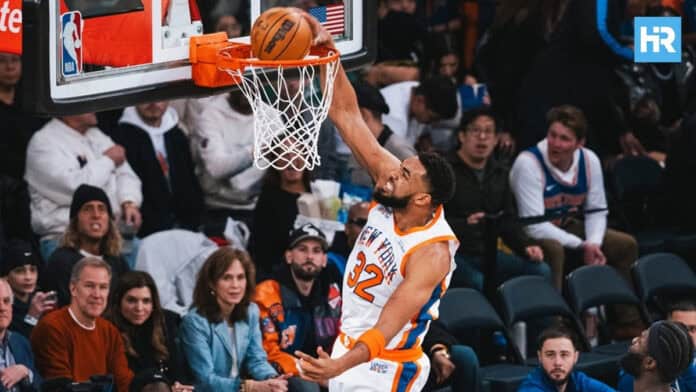
The New York Knicks delivered a thrilling comeback on Sunday night, overcoming a daunting 19-point deficit to secure a dramatic 116-112 overtime victory against the Miami Heat at Kaseya Center.

In a game with intensity, resilience, and clutch performances, Jalen Brunson led the charge with 31 points, while OG Anunoby and Karl-Anthony Towns made critical contributions in a game that tested the Knicks’ toughness.

This win extended New York’s winning streak to three games and also showed the team’s ability to rise under pressure.

Miami, led by Bam Adebayo’s 30 points and Tyler Herro’s 22, seemed to have control for much of the game.

However, the Knicks, true to their identity under head coach Tom Thibodeau, never gave up, grinding their way back into contention and ultimately sealing the win in overtime.

For Miami, the absence of Andrew Wiggins and Jaime Jaquez Jr. due to ankle injuries was felt, especially in the closing moments when the Heat struggled to match the Knicks’ energy and execution.

The game had all the makings of a classic battle, with both teams exchanging blows in the final minutes of regulation before New York outlasted their opponents in the extra period.

Key Takeaways
  • Jalen Brunson led the charge with 31 points, lifting New York to a 116-112 overtime victory over Miami.
  • Towns recorded 19 points and 16 rebounds, while Anunoby added 23 points, including a game-sealing dunk.
  • Towns have been ruled out for Wednesday’s game against the 76ers due to a knee injury, while Mitchell Robinson is nearing a return after missing the entire season with foot surgery.

A Wild Comeback: How the Knicks Flipped the Script

The Knicks found themselves in an early hole, trailing by 17 at halftime after a dominant first-half performance by the Heat, who controlled the pace and outscored New York by 20 points in the paint before the break.

Things didn’t improve much in the third quarter, as Miami extended their lead back to 19.

But this Knicks team, built around toughness and relentless effort, refused to fold.

Slowly but surely, they chipped away at the deficit, closing the third quarter on a 17-5 run.

Karl-Anthony Towns dominated the boards, finishing with a dominant 19 points and 16 rebounds, giving New York the second-chance opportunities they needed to get back into the game.

In the fourth quarter, the Knicks’ defense locked in, holding Miami to tough shots while continuing to find ways to score.

Miles McBride’s clutch jumper with 2:58 remaining gave New York its first lead of the night at 101-100, a moment that shifted the momentum in their favor.

The Heat, however, weren’t done fighting.

Down by four with under a minute left in regulation, the Knicks refused to let the game slip away.

OG Anunoby came up with a massive tip-in, keeping the team within striking distance, and Brunson followed up with a mid-range jumper to tie the game and force overtime.

The resilience on display was nothing short of remarkable.

Brunson and Anunoby Seal the Deal in Overtime

As overtime began, the game was up for grabs.

Both teams traded baskets, but Brunson took control, draining a three-pointer with 2:27 left to give New York a 111-110 lead.

This shot ignited a 7-0 run for the Knicks, pushing them ahead and forcing Miami into desperation mode.

Alec Burks attempted to bring the Heat back with a deep three, cutting the lead to 114-112 with just 27 seconds remaining.

But Anunoby had the final word, rising for a thunderous dunk with 17 seconds left that effectively sealed the game.

The Knicks had officially completed the comeback, silencing the Miami crowd and reinforcing their reputation as one of the toughest teams in the league.

By the time the final buzzer sounded, the Knicks had flipped the early script, overcoming their early struggles and finishing with a 58-56 edge in points in the paint—an incredible turnaround given their first-half struggles.

Knicks Still Dealing With Injuries, But Help Could Be Coming Soon

Even though the win was impressive, the Knicks are still struggling with injuries that could affect their season.

Karl-Anthony Towns, who was instrumental in the comeback, has already been ruled out for their upcoming game against the Philadelphia 76ers due to a knee injury.

Rookie center Ariel Hukporti is set to start in his place.

OG Anunoby, who has been working his way back from a foot sprain, looked strong in his return, providing defensive plays and timely scoring.

Mitchell Robinson, another key piece of the Knicks’ interior defense, remains out, though there is optimism that he could return this weekend.

The 7-footer, who has yet to play this season following offseason foot surgery, has been cleared for 5-on-5 contact in practice, a significant step toward his return.

Josh Hart, who is dealing with a nagging knee injury, is listed as probable for the next game, while Kevin McCullar Jr. and Jacob Toppin will remain sidelined due to their two-way contract status.

What This Means for the Knicks’ Playoff Push

With this win, the Knicks continue climbing the Eastern Conference standings, proving they can fight through adversity.

The team’s chemistry, defensive grit, and clutch playmaking have been on full display, and if they can stay healthy, they could be a serious threat in the playoffs.

Mitchell Robinson’s return would provide a major boost to their defensive identity, adding much-needed shot-blocking and rebounding to the lineup.

His presence alongside Towns, who has been an offensive force, could create one of the most balanced frontcourts in the league.

Brunson has solidified himself as the team’s leader, stepping up in big moments and delivering in clutch situations.

His ability to take over games down the stretch has been invaluable, and with a supporting cast that includes Anunoby, Hart, and Mikal Bridges, the Knicks have all the tools to make a deep playoff run.

However, one concern looms: workload management.

Head coach Tom Thibodeau has a history of giving his top players heavy minutes, and with several Knicks ranking among the league leaders in playing time, fatigue could become a problem.

The Knicks won’t have much time to rest on Tuesday night as they host the Golden State Warriors.

It will be an important test to see how they bounce back after such a physically and emotionally draining win.

A Defining Moment in the Season

The Knicks’ overtime win against the Heat was a strong victory that showed their resilience, as they fought back when the game seemed lost and proved they are a top team in the East.

This loss was hard for Miami, especially after their early strong performance.

Adebayo’s performance was stellar, but the absence of Andrew Wiggins and Jaime Jaquez Jr. hurt them in the closing moments.

Erik Spoelstra’s team will need to regroup quickly as they prepare to face the Washington Wizards.

For New York, the road ahead is still full of challenges, but if this game was any indication, the Knicks are more than ready to face them head-on.

They’ve battled injuries, overcome deficits, and shown they are built to win in the toughest moments.

The question now is whether they can sustain this momentum through the grind of the rest of the season and into the playoffs.

If the Knicks continue playing with this level of fight and determination, they will be a nightmare for any team that stands in their way.

A Complete Guide to Japanese Martial Arts: History, Styles, and Global Influence

Japanese Martial Arts

Japan is known for many things—its breathtaking temples, rich history, and unique traditions—but one of its most fascinating cultural legacies is its martial arts.

They are deeply connected to philosophy, discipline, and self-improvement

People worldwide recognize sports like judo, sumo, and karate, but few really understand where they came from or what they represent.

This guide will take you through the most important Japanese martial arts, their origins, and the best places in Japan where you can see them in action.

Key Takeaways
  • Japanese martial arts have deep roots in history and culture. They started with the samurai and evolved into structured training systems focusing on combat skills and personal growth.
  • Many Japanese martial arts are now popular sports worldwide. Judo became an Olympic sport in 1964, karate was added in 2020, and sumo remains Japan’s national sport, with professional tournaments held throughout the year.
  • Visitors to Japan can watch or even try martial arts themselves. Sumo tournaments occur at Ryogoku Kokugikan in Tokyo, judo and kendo can be seen at the Budokan, and karate lessons are available in Okinawa.

What Are Japanese Martial Arts?

Japanese martial arts include different types of combat styles that have been practiced for centuries.

A few Japanese fighting styles involve weapons; the rest rely only on the body.

Many are connected to Zen Buddhism and Mahayana Buddhism, which focus on self-discipline, meditation, and mental strength.

The words used to describe martial arts in Japan—budo, bujutsu, and bugei—may sound similar, but they have different meanings.

Budo (which means “martial way”) refers to modern martial arts that focus on self-improvement.

Bujutsu means “combat techniques” and refers to fighting methods used in real battles.

Bugei (which means “martial arts”) was traditionally used for the formal training of military skills.

Another important word is “do” (道), which means “the way” or “the path.”

Martial arts like kendo (the way of the sword) and aikido (the way of harmony) involve discipline, personal growth, and a deeper connection between the mind and body.

It is also important to mention that Japanese martial arts are not the same as Western sports.

While winning is important in competitions, the main goal is often about improving yourself rather than simply beating an opponent.

How Japanese Martial Arts Developed Over Time

The history of Japanese martial arts goes back more than 1,000 years.

During the Heian period (794–1185), Japan was mostly at peace, but conflicts started to rise by the end of this era.

This was when the samurai class first became powerful.

The warriors were trained in combat and followed bushido, a strict code of honor that focused on loyalty, courage, and self-discipline.

During this time, many martial arts were influenced by Chinese fighting styles.

In contrast, Japan slowly developed its own unique techniques and training systems.

During the Edo period (1603–1868), Japan experienced a long period of peace under the Tokugawa shogunate.

And since there were no major wars, samurai no longer had to fight in battles.

They rather focused on self-discipline, training, and perfecting their combat techniques.

During this period, the martial arts became more structured and organized into different schools, known as Ryu.

Sword fighting (kenjutsu) was highly respected, but other skills, such as archery (jujutsu), staff fighting (bojutsu), and jujutsu (grappling techniques), were also developed.

The government passed strict laws, including the “Sword Hunt” (katanagari), which banned common people from carrying swords.

Only the samurai class was allowed to train in advanced combat techniques, ensuring that martial arts remained exclusive to them.

Everything changed in 1868 when Japan entered the Meiji period and began modernizing.

The samurai class was abolished, and martial arts were no longer needed for real combat.

Some people saw them as old-fashioned and irrelevant.

But instead of disappearing, martial arts adapted to the new era.

Many of them were transformed into sports and educational activities.

Judo, for example, was created in 1882 by Kano Jigoro, who combined traditional jujutsu techniques with a focus on discipline and physical fitness.

Kendo, a modern version of sword fighting, was introduced as well.

During the early 20th century, Japan promoted martial arts to strengthen its national identity.

Judo and kendo became part of school education, and the idea of bushido was used to promote patriotism.

Nonetheless, after World War II, the American occupation banned martial arts for a few years because they were linked to Japan’s military past.

In the 1950s, martial arts were revived but with a new focus on sport, discipline, and international cooperation.

Judo became the first Japanese martial art to be included in the Olympics in 1964, marking a turning point in its global recognition.

Since then, other martial arts, including karate and kendo, have spread around the world.

Major Japanese Martial Arts and Where to See Them in Japan

Japan is home to many martial arts, each with a long history and deep cultural meaning.

Sumo, for example, traces back to religious traditions, whereas judo and karate have evolved into international competitive sports.

If you visit Japan, you can watch these martial arts at tournaments, training dojos, or cultural centers.

Here is a detailed look at the major Japanese martial arts and the best places to see them in Japan.

1. Sumo: Japan’s National Sport

Sumo (相撲) is the oldest martial art in Japan, with a history that dates back over 1,300 years.

It started as a Shinto ritual performed at shrines and festivals to entertain the gods, but over time, it became an official sport.

By the Edo period (1603–1868), sumo had developed clear rules, and professional tournaments were being held.

A sumo match takes place in a dohyo, which is a circular ring made of clay and covered in sand.

The goal of the match is simple: a wrestler (rikishi) must force his opponent out of the ring or make him touch the ground with any part of his body other than his feet.

Even though the matches are short, lasting just a few seconds to a minute, sumo requires intense training and discipline.

Sumo wrestlers live and train in sumo stables (heya), following a strict daily routine that includes early morning practice, eating a high-calorie diet, and maintaining traditional customs.

If you want to see sumo in Japan, the best places to visit are:

  • Ryogoku Kokugikan (Tokyo): This is the most famous sumo stadium in Japan. It hosts three out of the six Grand Sumo Tournaments each year, held in January, May, and September. The stadium also has the Sumo Museum, which displays the history of sumo.
  • Edion Arena (Osaka): This stadium hosts the March Grand Tournament and is a great place to watch sumo outside Tokyo.
  • Dolphins Arena (Nagoya): This is where the July Grand Tournament takes place.
  • Fukuoka Kokusai Center (Fukuoka): This is the venue for the November Grand Tournament.
  • Sumo Stables (Tokyo): Many sumo stables in the Ryogoku district allow visitors to watch morning training sessions. Some of the well-known stables that welcome visitors include Arashio-beya and Hakkaku-beya.

If you want to try sumo-related food, you should eat Chanko Nabe, a protein-rich hot pot that sumo wrestlers eat to gain weight and strength. You can find restaurants serving Chanko Nabe in Ryogoku, Tokyo.

2. Judo: The Gentle Way

Judo (柔道), which means “gentle way,” was created in 1882 by Kano Jigoro.

It was developed from jujutsu, a samurai fighting style focused on throwing, grappling, and joint locks.

However, Kano wanted to create a martial art that emphasized technique over brute strength and could be practiced safely as a sport.

Judo is based on the principles of “maximum efficiency, minimum effort” (Seiryoku Zenyo) and “mutual welfare and benefit” (Jita Kyoei).

In 1964, judo became the first Japanese martial art to be included in the Olympics, bringing it global recognition.

If you want to see judo in Japan, the best places to visit are:

  • Kodokan Judo Institute (Tokyo): This is the headquarters of judo, founded by Kano Jigoro himself. Visitors can watch training sessions, competitions, and even take short introductory lessons.
  • Nippon Budokan (Tokyo): This venue hosts major judo competitions, including the All-Japan Judo Championships and international tournaments.

For those interested in learning judo, the Kodokan Judo Institute offers beginner-friendly classes where visitors can practice basic techniques.

3. Karate: The Empty Hand

Karate (空手), which means “empty hand,” originated in Okinawa and was influenced by Chinese martial arts.

It was officially introduced to mainland Japan in the early 20th century by Gichin Funakoshi, who is known as the “father of modern karate.”

Karate focuses on powerful strikes, punches, kicks, and defensive blocks.

There are different styles of karate, including Shotokan, Goju-Ryu, Shito-ryu, and Wado-Ryu, each with its own techniques and training methods.

Karate became one of the most practiced martial arts worldwide and was included in the Tokyo 2020 Olympics.

If you want to see karate in Japan, the best places to visit are:

  • Okinawa Karate Kaikan (Okinawa): This center is dedicated to the history and practice of Okinawan karate. It has exhibitions, dojos, and training sessions for visitors.
  • Japan Karate Association Headquarters (Tokyo): This is the main organization for Shotokan karate and regularly hosts training sessions and demonstrations.
  • Nippon Budokan (Tokyo): This venue holds the All-Japan Karate Championships and other major tournaments.

In Okinawa, you can also take karate history tours and even participate in karate training workshops.

4. Aikido: The Art of Harmony

Aikido (合気道) is a Japanese martial art different from most others because it focuses on defense rather than attack.

It was created in the early 20th century by Morihei Ueshiba, who combined traditional jujutsu techniques with his belief in peace and harmony.

Aikido teaches people how to redirect an attacker’s energy instead of meeting force with force.

Aikido techniques include joint locks, throws, and smooth circular movements that allow a practitioner to control an opponent without hurting them too much.

Because of this, aikido is often called a peaceful martial art that focuses on self-defense and avoiding harm.

There are no official competitions in aikido, but it is still widely practiced around the world.

The best places to see aikido in Japan:

  • Aikikai Hombu Dojo (Tokyo): The headquarters of aikido offers daily training sessions open to visitors.
  • Kobayashi Dojo (Tokyo & Osaka): Well-known aikido schools that allow visitors to observe or join beginner classes.
  • Nippon Budokan (Tokyo): Hosts aikido demonstrations during martial arts festivals.

Many dojos in Japan offer trial lessons for those interested in learning aikido, during which visitors can practice basic moves under expert guidance.

5. Kendo: The Way of the Sword

Kendo (剣道), which means “way of the sword,” is the modern version of samurai sword fighting (kenjutsu).

Rather than using real swords, kendo practitioners use bamboo swords (shinai) and wear protective armor (bogu).

It includes discipline, mental focus, and respect, following the bushido code that guided samurai warriors.

If you want to see kendo in Japan, the best places to visit are:

  • Nippon Budokan (Tokyo): This is the most prestigious venue for kendo tournaments, including the All-Japan Kendo Championships.
  • Tokyo University Kendo Dojo (Tokyo): One of the top university kendo clubs, sometimes open for public demonstrations.
  • Kyoto Budo Center (Kyoto): A historic training center where you can watch traditional kendo matches.

Visitors can also join kendo workshops at cultural centers to try the sport themselves.

6. Kyudo: The Art of Japanese Archery

Kyudo (弓道), which means “the way of the bow,” is the modern form of samurai archery.

In contrast to Western archery, which prioritizes hitting the target, kyudo places equal importance on mental focus, discipline, and self-control.

In kyudo, the way a person stands, breathes, and releases the arrow shapes the outcome just as much as the shot itself.

Consequently, kyudo is often seen as a form of moving meditation, where the goal is to achieve a balance between the body and mind.

Historically, the bow was one of the main weapons of the samurai, used in both war and ceremonies.

But when guns became more common in Japan, archery was no longer needed for fighting; instead, it became a discipline for personal growth and self-improvement.

Today, kyudo is still practiced in Japan, and it is known for its graceful movements, strict training, and deep focus on discipline.

The best places to see kyudo in Japan:

  • Meiji Jingu Kyudojo (Tokyo): A traditional kyudo range near Meiji Shrine where visitors can watch practitioners train.
  • Kyoto Budo Center (Kyoto): Offers kyudo lessons and demonstrations for visitors.
  • International Kyudo Federation (Tokyo): Organizes kyudo competitions and exhibitions.

Some kyudo dojos also offer beginner lessons, where visitors can learn the basic techniques of Japanese archery under expert instruction.

Trying kyudo can be a rewarding experience because it requires patience, precision, and a strong focus on both the mind and body.

Experience Japanese Martial Arts in Japan

If you want to truly understand Japan’s culture, there’s no better way than to experience its traditional martial arts firsthand.

Watching a sumo match, visiting a kendo dojo, or even trying a beginner aikido class can give you a deeper appreciation for Japan’s long history of discipline and combat training.

So, if you are planning a trip to Japan, why not take the opportunity to see or even experience martial arts for yourself?

Plan your visit, find a dojo or event that interests you, and experience yourself in the power, precision, and philosophy of Japanese martial arts for yourself!

Mayor Jimmy Davis Revitalizes Bayonne as City Overcomes $25M Deficit, Expands Developments, and Upgrades Infrastructure

In 2014, Bayonne was struggling with a $25 million annual deficit.

Once a strong industrial city, it had lost many businesses since the late 1980s.

Over time, the tax burden shifted from industrial properties to homeowners.

Previous administrations tried to fix the budget shortfall by selling city assets, including a large portion of the Military Ocean Terminal Bayonne (MOTBY) to the Port Authority of New York and New Jersey and future revenue from the city’s water and sewer utilities.

Although the sales provided quick money, it did not solve the financial problem.

When Mayor Jimmy Davis took office, he changed the city’s approach.

Instead of selling more assets, he focused on attracting investment and redevelopment.

His administration introduced Payments in Lieu of Taxes (PILOTs), which encouraged developers to build on underused and abandoned properties.

Contrary to what some believed, these agreements did not mean developers paid no taxes.

Rather, they allowed tax revenue to stay local rather than being shared with the state.

Key Takeaways
  • Bayonne overcame a $25 million deficit through strategic investments, attracting developers, and revitalizing once-abandoned industrial sites.
  • Major upgrades in transportation, public parks, and emergency services have made Bayonne safer and more accessible.
  • With new projects on the horizon, including the IMTT redevelopment and ferry service, Davis announces his plans to run for Hudson County Sheriff.

Bayonne’s Economic Revival and Development Boom

Developers responded quickly.

Large projects at MOTBY led to thousands of new housing units and businesses, including Costco, Starbucks, LIDL, LA Fitness, Amazon, and UPS.

This growth eliminated the $25 million budget gap and made Bayonne one of the fastest-growing real estate markets in the New York City metropolitan area.

As investors saw success at MOTBY, they turned to other areas of Bayonne.

Avenue E, close to the Hudson-Bergen Light Rail, became a residential corridor.

The East Side of Bayonne, near Route 440, also saw new housing developments on former industrial sites.

These changes helped Bayonne transition from a struggling industrial town into a desirable place to live and work.

Improving Infrastructure and Public Spaces

As Bayonne grew, the need for better infrastructure became clear.

Mayor Davis’ administration launched the most extensive park renovation project in city history.

Every park received or is scheduled for improvements.

Some of the key projects include:

  • Veterans Stadium
  • Korpi Ice Rink
  • Dennis Collins Park
  • 8th Street Park
  • Fitzpatrick Park
  • Donovan Park
  • DeSena Park
  • 11th Street Oval (being renovated for Buddy Baseball)
  • Makowski Park
  • Dr. Morris Park

Additionally, Russell Golding Park (49th Street Park) is set for a $5 million upgrade, and the city recently bought a pocket park at 440-442 Avenue C, which will be renamed George Goldman Park.

One major achievement was creating a dedicated park for children with special needs.

Beyond parks, Bayonne’s main business district, Broadway, was improved with new statues and murals.

Traffic and pedestrian infrastructure also saw vital upgrades.

The new 14A Turnpike exit eased congestion at 53rd Street and Avenue E, while the Bayonne Bridge renovation allowed larger cargo ships to pass through.

Another notable project is the construction of a new Turnpike Extension Bridge over Newark Bay, which will help reduce daily traffic congestion.

Additionally, the city is installing an elevator at the 25th Street pedestrian bridge and constructing a new pedestrian bridge over Route 440 to improve safety and accessibility.

Launching Bayonne’s Ferry Service

A long-awaited project is the Bayonne ferry terminal, which will provide direct service to New York City.

The city recently purchased 2.3 acres of land from the Port Authority for $4.4 million to build the terminal.

Of this, 1.6 acres will be used for the terminal and parking, and 0.7 acres will be used to expand the Hudson Riverfront Walkway.

An additional one acre was contributed by Lincoln Equities, which developed the UPS facility.

The ferry terminal will be built about one mile east of the Bayonne mainland, and its parking lot is expected to hold 130 spaces.

The city originally selected Seastreak as the ferry operator, but that agreement expired.

A new request for proposals (RFP) has been issued, and a ferry operator is expected to be selected by March or April 2025.

The city expects service to begin by late summer or early fall 2025.

Enhancing Public Safety and Emergency Services

Bayonne’s growing population also required improvements in public safety.

The city introduced a body-worn camera program for police officers before it was legally required, strengthening trust between the community and law enforcement.

The fire department fleet was also modernized, replacing outdated fire trucks from the 1990s with new frontline vehicles.

These changes ensured that emergency services could respond quickly and effectively to incidents.

Bayonne Medical Center has faced financial issues and recently filed for bankruptcy protection.

However, Davis assured residents that the hospital would remain open and that it would be expanding its services through the bankruptcy restructuring process.

Future Growth: IMTT Redevelopment

The next major development project in Bayonne is the IMTT redevelopment.

Currently, IMTT operates a 450-acre industrial storage facility.

The plan is to transform 130 acres of its waterfront land into a mixed-use commercial and industrial site.

The redevelopment will bring new businesses, jobs, and revenue.

Mayor Davis’ Future Plans

After serving as mayor for over 11 years, Davis announced his plan to run for Hudson County Sheriff.

If elected, he will step down as mayor on January 1, 2026.

If he does not win, he will continue serving as mayor.

Before becoming mayor, Davis worked as a police officer in Bayonne, and he says law enforcement has always been his passion.

He described this decision as a difficult but necessary step for him and his family.

A Transformed Bayonne

Under Mayor Davis, Bayonne went from a city struggling with a $25 million deficit to a growing community with new businesses, housing developments, parks, and infrastructure improvements.

Investments in MOTBY, Broadway, and the East Side have attracted residents and businesses, plus traffic and transportation projects have made the city more accessible.

With Davis preparing for a potential new role in law enforcement, he leaves behind a stronger, more financially stable, and well-prepared city for the future.

Ryan Lindgren’s Brutal Honesty Exposes the Rangers’ Real Problem

ryan lindgren

The New York Rangers may have beaten the Pittsburgh Penguins 5-3, but if you watched the game, you know full well the score doesn’t tell the whole story.

The Rangers spent most of the game trapped in their own zone, getting outshot 39-16.

If not for Igor Shesterkin’s strong rebound performance after a rough night against Buffalo, this could have been another embarrassing loss.

Ryan Lindgren, who had two assists and finished with a plus-two rating, didn’t hold back when asked about the team’s play.

My evaluation is that it was awful. You guys all saw it,” Lindgren said.

We were in the D zone the entire time, we were giving them chance after chance. Everything about it was awful.

His frustration is understandable.

Key Takeaways
  • Ryan Lindgren voiced sharp criticism of the Rangers’ poor performance despite a recent win over the Pittsburgh Penguins, raising concerns about the team’s playoff chances.
  • With the trade deadline nearing, speculation is growing around potential moves involving Lindgren, K’Andre Miller, and other players.
  • The Rangers’ history of bad trades, including the infamous 1976 Rick Middleton deal, serves as a cautionary tale as they weigh their next moves.

An Ugly Win That Revealed Bigger Problems

The Rangers were dominated in five-on-five play, getting out-chanced 28-10 in the second period alone, according to Natural Stat Trick.

Worse, they allowed the Penguins to generate a 72% high-danger scoring rate.

For a team with playoff aspirations, these are unacceptable numbers.

Lindgren himself has had his own defensive struggles, which have been a major talking point throughout the season.

According to Moneypuck.com, he ranks No. 5 in the NHL in high-danger shot attempts against per 60 minutes, a stat that suggests he has been on the ice for too many prime scoring opportunities.

Now, Lindgren’s blunt assessment of the Rangers’ performance adds fuel to the growing speculation that he could be moved before the NHL trade deadline.

But he’s not the only one.

Trade Rumors Swirl Around K’Andre Miller

K’Andre Miller is one of the most physically gifted players in the organization—fast, strong, and capable of big plays.

But he’s also inconsistent, and the Rangers haven’t helped his development with their shaky defensive coaching.

Miller is set for a new contract, which estimates suggest could last six years and pay $6.5 million per year.

And that’s a big gamble for a player who hasn’t fully put it together yet.

If the Rangers aren’t sure about him, now might be the time to trade him.

Looking at similar trades, the Rangers could likely get a first-round pick and a young player or top prospect for Miller.

Other teams would love to have him, whether they’re contenders looking for a playoff boost or rebuilding teams hoping to develop his talent.

The Rangers Have No Choice But to Sell

After an 8-2 loss to the Buffalo Sabres, one of the worst teams in the East, the Rangers followed up with a sloppy win over Pittsburgh.

In hindsight, that should tell you everything you need to know.

They clearly aren’t built to make a deep playoff run.

Even though they’re just two points out of a wild card spot, making the playoffs won’t mean much if they aren’t strong enough to compete once they get there.

That leaves one clear option: sell now and build for the future.

Lindgren, Miller, Reilly Smith, and Jimmy Vesey could all be traded for valuable assets.

Holding onto them just to chase a playoff spot would be short-sighted.

The Worst Trade in Rangers History

If the Rangers need a reminder of how a bad trade can haunt them, they should look back to May 26, 1976.

A time when GM Emile Francis made one of the worst trades in NHL history—sending Rick Middleton to the Boston Bruins in exchange for Ken Hodge.

Hodge lasted just 96 games in New York.

Conversely, Middleton played 12 seasons for the Bruins, scored 402 goals, and had his number retired in Boston.

The Rangers got almost nothing in return.

That is the danger of making the wrong trade at the wrong time and exactly what Drury has to avoid now.

What’s Next for the Rangers?

There’s a version of this story in which the Rangers do nothing, keep Miller and Lindgren, and convince themselves that a healthy Shesterkin and a little luck will make them a playoff team.

That version ends the way it always does—with an early exit and no real plan for the future.

Or there’s the other version—the one in which they admit this isn’t working, make the hard choices, and actually build something real.

Lindgren sees it. The numbers say it. The standings confirm it.

Now, it’s just up to Drury to act.

Three Secaucus Students Compete in the Hudson County Spelling Bee 2025

The 2025 Hudson County Spelling Bee took place last Saturday at High Tech High School in Laurel Hill Park, Secaucus.

This event gathered 76 students from different schools across the county, all competing for the top spot.

The students, ranging from third to eighth grade, had already proven their skills by winning their individual school spelling bee.

Now, they had the chance to test their knowledge against the best spellers in the county.

Key Takeaways
  • Three students from Secaucus participated in the Hudson County Spelling Bee, competing against 73 other students.
  • Ishaan Gupta, an 11-year-old sixth grader from Jersey City, won by correctly spelling “guan” in the seventh round.
  • The competition featured students from different Hudson County schools. The top performers advanced after multiple rounds of intense spelling challenges.

Secaucus Students Compete and Advance Through Rounds

Among the many students who participated, three from Secaucus earned their place in the competition.

Eric Francis from Clarendon Elementary School advanced to the sixth round before being eliminated.

Vidhan Dangol from Huber Street Elementary School made it to the fourth round.

Aryan Bansal from Secaucus Middle School also competed until the fourth round.

Each of them worked hard to reach this level and faced strong competition from other students.

The spelling bee followed the usual format: Each student had to spell a word correctly to advance to the next round.

If they made a mistake, they were eliminated.

The words became more difficult as the rounds continued, and the number of remaining contestants slowly decreased.

Ishaan Gupta Wins After Seven Rounds

As the competition went on, students kept spelling challenging words correctly, leading to a tough battle among the top spellers.

After several rounds, Ishaan Gupta, an 11-year-old sixth grader from Jersey City, won the spelling bee in the seventh round.

The final word that secured his victory was “guan,” which is a type of bird found in the South American rainforest.

Gupta will now represent Hudson County at the Scripps National Spelling Bee in Maryland later this year.

His performance throughout the competition showed his strong spelling skills and ability to stay focused under pressure.

Marina Saad, a 14-year-old eighth grader from Bayonne, came in second place.

Jasmine Dalmas, a 10-year-old fifth grader from Jersey City, placed third.

Both students showed impressive spelling abilities and lasted through multiple rounds before being eliminated.

Students From Across Hudson County Compete in Multiple Rounds

The competition featured students from public schools, charter schools, and private academies throughout Hudson County.

Some contestants lasted for several rounds before being eliminated, while others advanced to the final stages of the event.

A few students, such as Austin Dingle from Dr. Paul Rafalides PS 33 in Jersey City, Jeremy Quiles from Ezra Nolan Middle School 40 in Jersey City, and Harshini Putta from Franklin L. Williams Middle School 7 in Jersey City, made it to the seventh round before being eliminated.

Others who performed well included Jaylynn Rivera from Hudson-ASCS Middle School in Kearny, McKensey Martin from James Murray Elementary School 38 in Jersey City, and Kriti Kattamuri from Jotham W. Wakeman School 6 in Jersey City, all of whom also advanced to the seventh round.

Meanwhile, Eric Francis from Clarendon Elementary School in Secaucus lasted until the sixth round.

Vidhan Dangol from Huber Street Elementary School and Aryan Bansal from Secaucus Middle School competed until the fourth round.

The event was attended by students from Jersey City, Bayonne, Hoboken, Secaucus, Union City, Kearny, Guttenberg, and Weehawken.

Each participant had already proven their spelling ability by winning school-level contests, so the county competition was filled with talented and well-prepared students.

Hudson County’s Representative Heads to National Competition

With the county competition now complete, Ishaan Gupta will advance to compete in the Scripps National Spelling Bee.

This national competition features top spellers from across the country and tests their knowledge of complex words.

Hudson County Executive Craig Guy acknowledged the students’ efforts, stating that the county is proud of all the participants and looks forward to seeing Ishaan Gupta compete at the Scripps National Spelling Bee.

New York Correction Officers’ Strike Continues as State Enforces Penalties

For nearly sixty years, New York’s Taylor Law has controlled public sector labor relations.

It prevents essential government workers, including teachers, transit employees, police officers, and correction officers, from going on strike.

The law exists to keep critical services running without disruption.

However, the situation has changed as correction officers across the state have walked off the job, demanding better pay, improved working conditions, and changes to prison policies.

The strike has now entered its second week, and tensions between officers and the state government are getting worse.

Prisons are struggling with staffing shortages, the state is enforcing strict penalties, and neither side is willing to give in.

Key Takeaways
  • New York is enforcing the Taylor Law, which prohibits public sector strikes, by docking pay, terminating health insurance, and issuing legal summons.
  • Although formal mediation between state officials and the union has started, officers remain on strike, demanding better wages, improved working conditions, and changes to the HALT Act.
  • Republican lawmakers back the officers, while many Democrats support prison reforms. As the crisis escalates, Governor Kathy Hochul faces pressure from both sides.

Correction Officers Defy the Taylor Law and the State Responds

This week, the state took legal action to stop the strike.

A judge in Buffalo issued a temporary restraining order, which ordered officers to return to work.

Even so, many officers continued to strike, and in response, state troopers began handing out legal summons to those who refused to comply.

At the same time, the state is increasing financial penalties against the officers.

Under the Taylor Law, workers who strike can lose two days of pay for each day they refuse to work.

The state has also cut off health insurance for those participating in the strike.

Looking at past labor disputes, these penalties are not new.

In 2005, New York fined the city’s transit workers’ union $1 million per day when they went on strike.

Now, correction officers are facing similar consequences.

Although the New York State Correctional Officers & Police Benevolent Association (NYSCOPBA) has not officially supported the strike, that does not necessarily protect it from legal action.

According to the law, the union must actively try to stop illegal strikes, and if it does not, it could also be held responsible.

Prison Conditions Worsen as the National Guard Steps In

With so many officers refusing to work, prisons across the state are struggling to function.

To deal with the shortage, the state has sent thousands of National Guard members to take over correction officers’ duties.

Even with this emergency measure, reports suggest that prisons are still understaffed, raising concerns about safety inside the facilities.

Over the weekend, the situation inside one of the prisons became even more serious when an inmate was found dead in his cell at Auburn Correctional Facility in Cayuga County.

Officials have not yet revealed the cause of death, but given the current circumstances, the incident has drawn even more attention to the growing problems inside New York’s prisons.

Meanwhile, tensions are also rising outside the prisons.

Frustration among correction officers and their supporters has led to some acts of protest.

State police released photos of a corrections department bus that had been set on fire and another bus that was spray-painted with the words “Can you hear us now?”

As the strike continues into its eighth day, correction officers feel the pressure grow.

The state remains firm, enforcing penalties and warning that those who refuse to return will face serious consequences.

Despite this, officers stand their ground, leaving no clear end in sight.

Political Divide Over the Strike Intensifies

As the strike continues, New York lawmakers have become deeply divided.

On one side, Republican lawmakers, particularly those from upstate districts where many prisons are located, have expressed strong support for the officers.

They argue that correction officers are underpaid, overworked, and in dangerous situations daily.

On the other hand, Democratic lawmakers, especially those from downstate areas, have been more focused on prison reform and are less likely to support the officers’ demands.

One of the biggest points of disagreement is the HALT Act (Human Alternatives to Long-Term Solitary Confinement Act).

This law limits the use of solitary confinement in New York’s prisons, and correction officers believe it has made their jobs more dangerous by reducing their ability to discipline violent inmates.

However, many Democratic legislators strongly support the law and are unwilling to change it.

This conflict puts Governor Kathy Hochul in a difficult position.

She must deal with pressure from both sides—officers who are demanding better working conditions and progressive lawmakers who want to keep prison reforms in place.

At the same time, many correction officers have become frustrated with their union.

Some workers believe that NYSCOPBA has not done enough to support them during this dispute.

They feel that union leadership is out of touch with the workers on the ground and have lost confidence in the union’s ability to negotiate on their behalf.

While Republican lawmakers have spoken in support of the striking officers, they have not told them to keep striking.

Instead, they recognize that officers have a difficult choice to make, as many are losing pay and health benefits.

Each officer must now decide for themselves whether to stay on strike or return to work under the current conditions.

Formal Mediation Begins, but Uncertainty Remains

After more than a week of striking, there is finally a sign of progress.

On Monday at 11 a.m., formal mediation between the state and NYSCOPBA began.

The discussions will focus on the officers’ demands for better pay, improved working conditions, limits on mandatory overtime, and possible changes to the HALT Act.

Even though negotiations have started, the state is not easing up on penalties.

Officials are still cutting officers’ pay and canceling their health insurance, keeping the pressure on them to return to work.

The state is also dealing with its own problems.

With thousands of correction officers still on strike, it’s getting harder to manage prisons, and conditions are worsening.

The National Guard has been sent in as a temporary fix, but if the strike drags on, keeping prisons secure could become even more difficult.

Right now, neither side is backing down.

Correction officers want real changes, while the state is determined to maintain control.

As mediation moves forward, the outcome of this standoff will depend on how much either side is willing to compromise.

Knicks Consider Blockbuster Trade: Giannis Antetokounmpo for Karl-Anthony Towns

You want a blockbuster?

Well, this is a blockbuster in every sense of the word.

This isn’t one of those fake trade rumors that surface for a week and then disappear into the abyss—this one feels real.

The New York Knicks, a team that has spent years trying to land a true franchise-altering superstar, might finally be in a position to pull it off.

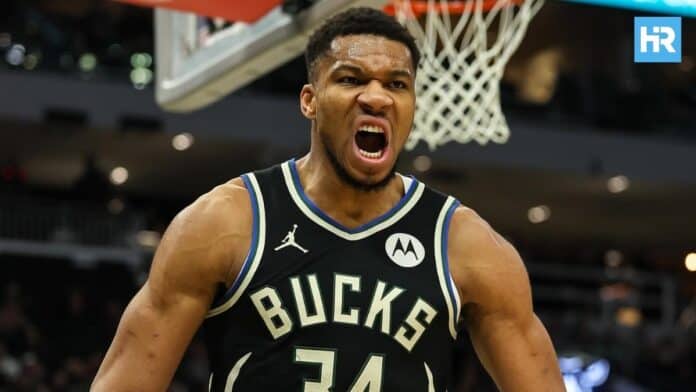
And not just any superstar – ‘The Greek Freak’: Giannis Antetokounmpo.

The Knicks have always been a franchise that dreams bigger than reality often allows.

They’ve been patient; they’ve built a solid, competitive team, but now, the opportunity to land a generational talent might be within reach.

If they truly go all in on this deal, the entire Eastern Conference will need to take notice because this would be a shift unlike anything we’ve seen in recent Knicks history.

Key Takeaways
  • The New York Knicks are contemplating a blockbuster trade for Milwaukee Bucks superstar Giannis Antetokounmpo, sending Karl-Anthony Towns and others in return.
  • Giannis’ uncertain future in Milwaukee has made him a prime target for potential suitors, with the Knicks emerging as a top contender.
  • The Knicks need more from Miles McBride, whose development could be a game-changer for their championship aspirations.

So, What’s the Deal?

If this trade actually materializes—and yes, it remains a massive if—the proposed deal would send Karl-Anthony Towns, Precious Achiuwa, Miles McBride, and future draft picks to Milwaukee.

In exchange, the Knicks would receive Giannis Antetokounmpo, Pat Connaughton, and Tyler Smith.

The logic behind this deal is fairly straightforward from New York’s perspective.

Giannis is a dominant, game-changing force, a two-time MVP and NBA champion who put up 31.5 points, 12.1 rebounds, and 5.8 assists per game last season.

When he decides to attack, defenders know what’s coming, yet they still can’t stop him.

For Milwaukee, though, the situation is far more complicated.

No franchise willingly trades away a player of Giannis’ caliber unless they feel they have no other choice.

If Antetokounmpo remains committed to the Bucks and believes they can still compete for a championship, then this entire conversation is irrelevant.

But if he begins to doubt the team’s ability to remain at the top, the Bucks may be forced to consider their long-term future.

If that happens, Milwaukee will need to maximize its return, and a package centered around Towns, plus additional assets, could be the best deal available.

Giannis: Loyal Until He’s Not

For years, Giannis has been the model of loyalty, repeatedly insisting that he is committed to the Bucks and has no interest in leaving for a bigger market.

He has never been the type of player to chase a superteam or demand trades when things don’t go his way.

He has built his legacy in Milwaukee, winning a championship and bringing the franchise back to the top of the NBA.

However, the NBA has a way of forcing even the most loyal stars to reconsider their positions.

Loyalty is only sustainable as long as a team remains competitive, and right now, the Bucks do not look like a team built to win another championship soon.

Maybe they prove everyone wrong.

Perhaps they find a way to retool their roster and stay in the hunt for another title.

But if they don’t, and Giannis starts looking around at the league’s landscape, searching for a team that can offer him a better shot at winning multiple championships, that’s how we end up here.

What This Means for the Knicks

For years, the Knicks have existed in an awkward middle ground, good enough to be respected but not quite good enough to be taken seriously as true contenders.

Jalen Brunson has elevated them, Mikal Bridges has been a phenomenal addition, and the core they’ve assembled is unquestionably strong.

But adding Giannis Antetokounmpo would instantly elevate them to a different tier.

If this deal is made, the Knicks will go from being a dangerous playoff team to a legitimate championship contender.

A lineup featuring Brunson, Bridges, OG Anunoby, Josh Hart, and Giannis would create havoc on both ends of the floor.

Offensively, they would have a devastating combination of playmaking, cutting, and transition scoring.

Defensively, they would be a nightmare for opponents, with length, versatility, and elite perimeter defenders who could switch onto virtually any matchup.

However, for all the obvious benefits, this move would not come without risk.

Giannis is an unstoppable force, but he is also a player who can completely reshape a team’s operations.

The Knicks have spent years carefully constructing a system based on ball movement, spacing, and multiple scoring options.

Giannis, by his very nature, becomes the system.

Brunson, who has blossomed into one of the most dynamic point guards in the league, would have to adjust his role significantly.

Bridges, who thrives as a secondary scorer, might find himself pushed into an entirely different role than the one he has excelled in.

Every aspect of the Knicks’ game plan would need to be reconfigured to fit Giannis’ unique style.

And Then There’s McBride

Before even considering how Giannis would fit into the Knicks’ system, there’s another subplot that deserves attention: Miles McBride.

A year ago, McBride was barely on the national radar, seen as nothing more than a solid rotational guard.

This season, he has proven to be one of the most valuable pieces of the Knicks’ roster—even during a down year.

Despite dealing with knee and hamstring injuries that have limited his explosiveness and consistency, McBride remains an incredibly impactful player.

The Knicks actually outscore opponents by 4.6 points per 100 possessions when he’s on the floor, even as his personal numbers have dipped.

The Knicks’ front office believed in him so much that they were willing to trade away Donte DiVincenzo, their second-leading scorer from last year’s playoffs, to give McBride a bigger role.

Yet, somehow, his minutes have dropped instead of increasing.

Early in the season, McBride played 26.4 minutes per game, but as the year progressed, that number fell to 22.7.

His three-point shooting has declined, his finishing at the rim has plummeted from 67.9% last season to just 46.7% this year, and his overall production has taken a step back.

Although, he is still that important.

If McBride is included in this trade, it won’t be because he isn’t good enough for the Knicks.

It will be because the Knicks believe he is good enough to be valuable somewhere else.

What Happens Next?

For now, nothing; it all remains a rumor.

No formal negotiations have been reported, and Giannis himself has not publicly indicated that he is considering a move.

But the fact that this conversation is happening tells us something important.

The Knicks are no longer satisfied with being good.

They want to be great.

And if they believe that Giannis Antetokounmpo is the final piece to get them there, we may witness the beginning of the most significant trade in modern Knicks history.

Yankees Respond to Giancarlo Stanton Injury by Exploring Trades, Considering Prospect Spencer Jones

The New York Yankees are a paradox.

They build, break, rebuild, and somehow, the machine keeps moving.

However, this time, something feels different.

There’s a growing sense of uncertainty in the outfield, a brewing storm around a name that most didn’t expect to be part of the Major League conversation yet—Spencer Jones.

Now, we find ourselves at the edge of a scenario that may be inevitable, risky, and daring all at once.

Key Takeaways
  • With stellar spring training, Jones could earn a surprise Major League call-up as Stanton recovers.
  • Giancarlo Stanton’s elbow issues force the Yankees to explore alternative options, including a potential trade for the Mets’ Starling Marte.
  • The arrival of Paul Goldschmidt, Cody Bellinger, Max Fried, and others strengthens the Yankees’ roster in pursuit of another World Series run.

The Stanton-sized Hole in the Yankees’ Universe

First, let’s address the central issue at hand.

Giancarlo Stanton, one of the highest-paid MLB players, is injured once again.

This time, the problem is both elbows.

The exact severity remains unclear because the Yankees, as is often the case, are keeping details close to the vest.

Manager Aaron Boone’s update that Stanton “hasn’t started baseball activities yet” translates to a manager’s version of saying, “We don’t have a firm timeline and we’re not ready to sound the alarm, but we don’t have good news either.”

Naturally, this lack of clarity has everyone on edge.

Stanton’s absence isn’t merely about losing a single bat in the lineup.

This is about a lineup that revolves around his power, and his potential unavailability at the start of the season leaves a glaring hole.

Stanton was a postseason hero in 2024, crushing seven home runs, including four in the ALCS, to push the Yankees into the World Series.

Even in a regular season that saw his batting average dip to .233, his 27 home runs and 72 RBIs still made him one of the team’s most reliable run-producers.

Now, with no clear return date, the Yankees find themselves in a precarious position––the kind of scenario that forces a front office to make tough choices.

Do you count on his recovery and do nothing? Do you explore trades and free-agent options? Or do you hedge your bets by testing an unproven prospect?

Right now, the Yankees appear to be weighing all of those options simultaneously.

The Spencer Jones Conundrum

Then there’s Spencer Jones, the 6-foot-6 outfielder whose raw talent and frustrating inconsistency have made him both an exciting prospect and a potential liability.

The Yankees drafted Jones with the No. 25 pick in 2022, and since then, he’s become something of a high-risk, high-reward project.

His statistics paint a picture of immense promise and a fair amount of uncertainty.

Over the past two seasons, Jones has hit 33 home runs, stolen 68 bases, and drawn plenty of attention for his towering home runs.

On the other hand, he’s also been plagued by a sky-high strikeout rate, racking up 200 strikeouts in 2024 alone.

Then came a pivotal moment during spring training at TD Ballpark.

In a game that was already unusual because of the Yankees testing MLB’s new Automated Ball-Strike (ABS) system, Jones stepped into the spotlight.

After Everson Pereira successfully challenged a strike call on a 3-2 pitch, Jones made the most of his opportunity.

On the very next pitch, he launched a two-run homer over the left field wall––a thunderous swing that seemed to confirm everything the Yankees had hoped he could be.

But the question remains: is that one moment enough to justify giving him a shot at the Major League level?

Jones hasn’t even played in Triple-A yet, and the Yankees already have plenty of outfielders.

Still, with Stanton’s status in limbo, the calls to promote Jones are growing louder by the day.

The Yankees must now decide if they’re ready to see what this young talent can do on the big stage.

The Trade That Might Happen and the One That Should

The Yankees’ decision-making process doesn’t stop with Jones.

Another name being floated in trade rumors is Starling Marte, the Mets outfielder who could fill the void left by Stanton if the Yankees choose to pursue him.

The Mets, fresh off signing Juan Soto to a 15-year contract, are looking to shed salary and make room in their outfield.

Marte, a 36-year-old veteran with a final-year salary of $20.75 million, fits the bill.

His .269 average, 7 home runs, and 40 RBIs in 2024 aren’t jaw-dropping, but they reflect a player who can still contribute at a steady pace.

More importantly, Marte’s defense and experience would give the Yankees a reliable option while Stanton heals.

The rumored deal would send two Yankees prospects to the Mets.

Facundo, a 22-year-old lefty pitcher with a 2.40 ERA in Single-A, and Flores, a 24-year-old catcher/first baseman who hit .279 with 21 home runs and 68 RBIs in A+ and AA, are the pieces reportedly on the table.

While neither is considered a top-tier prospect, both are promising young players who would provide depth to the Mets’ farm system.

The Yankees would benefit from Marte’s presence, but the front office must carefully consider the cost of parting with these prospects, even for a one-year rental.

In addition, they’re reportedly asking the Mets to cover part of Marte’s salary, further complicating negotiations.

If the trade goes through, Marte will likely play right field, letting Cody Bellinger remain in the center.

The move would stabilize the Yankees in the outfield until Stanton returns.

But it also underscores how complicated their roster decisions have become in light of these injuries and uncertainties.

The Yankees’ War Between The Future and The Now

This is where the Yankees find themselves in 2025: torn between long-term development and immediate success.

They suffered a major blow by losing Juan Soto, but their offseason wasn’t a retreat but a calculated attempt to keep the championship window open.

They brought in Paul Goldschmidt, the 37-year-old 2022 NL MVP, to add veteran leadership and a steady bat.

While his best days may be behind him, Goldschmidt’s reputation for professionalism and clutch performances makes him a valuable addition.

They acquired Cody Bellinger, whose left-handed power and Gold Glove-caliber defense seem tailor-made for Yankee Stadium.

If Bellinger can find consistency again, he could be one of the team’s most impactful signings.

Max Fried, a postseason-tested pitcher, was brought in to stabilize the rotation.

Despite some ups and downs in October, Fried’s talent and experience make him a key piece for the Yankees’ pursuit of another World Series run.

Devin Williams, one of the best closers in baseball, now anchors the Yankees’ bullpen.

His presence should help them lock down close games, something that was a struggle at times last season.

All these moves have kept the Yankees in the title conversation, but the cracks are already showing.

How they respond to those cracks now will determine whether they fulfill their championship aspirations or fall short once again.

Latest News

Do Jersey City Children Have a Right to Local School?

Jersey City Preschoolers Bused 5 Miles—Do They Have the Right to...

In Downtown Jersey City, widely described as one of the most walkable neighborhoods in the United States, many daily errands can be done on...
New Jersey Bomb Cyclone Travel Ban and Snowfall

New Jersey Bomb Cyclone 2026: Travel Bans, Transit Shutdowns, and Record...

The February 2026 blizzard in New Jersey was officially classified as a “bomb cyclone.” The designation applies when a storm undergoes bombogenesis — a...
Vetoed Bird-Safe Ordinance 26-008 Back in Debate

Jersey City Council Reopens Fight Over Bird-Safe Building Costs

Ordinance 26-008, which regulates bird-safe materials for buildings, has been reintroduced to the Jersey City Council agenda. The measure is identical to the version...
Rob Menendez Slams Trump Over Hudson Tunnel Funding Freeze

Rob Menendez Urges End to Hudson Tunnel Funding Dispute After Court...

In Hoboken, after a press conference concerning an unrelated federal funding allocation, U.S. Rep. Rob Menendez (D-8) discussed the restoration of approximately $205 million...
Hudson County NAMI Caregiver Support Programs

Hudson County Caregivers Get February Mental Health Support

Hudson County residents caring for youth with mental health symptoms can participate in a six-session NAMI Basics course offered this February through NAMI Hudson...