Home Blog Page 59

Inside Tom Kean Jr.’s Tight NJ-7 Race: Taxes, Safety, and a Hard-Fought Win Over Sue Altman

Tom Kean Jr. has secured re-election in New Jersey’s 7th Congressional District and defeated Democratic challenger Sue Altman in a highly competitive race.

With a campaign focused on taxes, public safety, and national issues like supporting Ukraine and Israel, Kean resonated with voters in this swing district.

With some added drama, like mailers being dumped, it was a race full of twists and turns.

Here’s what happened and why it’s important.

Key Takeaways
  • Tom Kean Jr. won re-election by focusing on taxes, safety, and national issues like supporting Ukraine and Israel.
  • Restoring the SALT deduction was a big promise that grabbed voters’ attention in this high-tax district.
  • A campaign flier controversy involving dumped mailers added a dramatic twist, but Kean still won.

Kean Jr.’s Victory in a Tight Race

Tom Kean Jr., a Republican, won re-election in New Jersey’s 7th Congressional District, beating Democrat Sue Altman in a hard-fought contest.

With a five-point lead by 10:45 p.m., Kean declared victory.

Shortly after, Altman conceded.

We had a message that resonated with voters: affordability, restoring the SALT deduction, standing with Ukraine, standing with Israel, energy independence, having the back of cops, and securing our southern border,” Kean said after his win.

That message included fixing taxes, public safety, and national security, all of which hit home for many people in the district.

Why Did People Vote for Kean?

1. The SALT Deduction Problem

One of the biggest issues in this election was the SALT deduction cap.

A new federal tax law limited the amount people could deduct from their state and local property taxes to $10,000 in 2017.

In high-tax areas like New Jersey, this has been a huge burden for homeowners.

Kean promised to push for removing the SALT cap, which many voters loved.

This tax issue affects many people in the district, where property taxes can easily exceed the $10,000 limit.

Trump, who introduced the SALT cap, has said he would lift it if he runs for president again, and the current cap expires next year anyway.

But for now, Kean’s promise to fix this hit the right note with voters.

2. Crime and Public Safety

Crime is always a top concern.

Kean leaned hard into reducing crime and backing law enforcement.

He promised to “have the backs of cops,” and that message stuck with voters who prioritized safety.

Meanwhile, Altman focused on gun control and tackling violence but didn’t make as much of a splash with this crowd.

3. The Kean Family Legacy

If the name “Kean” sounds familiar, it’s because Tom Kean Jr. comes from a well-known political family.

His father, Tom Kean Sr., was a two-term governor and is still one of New Jersey’s most respected leaders.

And having a name that voters trust gave Kean Jr. a big advantage.

Sue Altman’s Campaign: Fighting for Change

Sue Altman ran a strong campaign focusing on progressive issues like abortion rights and gun control.

She highlighted protecting reproductive rights, which resonated with many voters, especially after national debates on the issue.

But Altman faced some hurdles.

Old social media posts where she used a “defund the police” hashtag came back to haunt her.

She distanced herself from those posts, but Kean’s campaign used them to paint her as extreme, likely hurting her chances.

Campaign Drama: The Mailer Dumpster Incident

Both campaigns sent tons of mailers and ran ads throughout the district.

But things got heated when a video showed someone throwing hundreds of Kean’s mail flyers into a dumpster in Pennsylvania.

The U.S. Postal Service quickly launched an investigation, but the damage was done.

Kean called it “deeply troubling” and said it raised concerns about election integrity.

While it didn’t seem to affect the results, it added some extra drama to an already intense race.

Did Redistricting Play a Role?

This district has always been competitive, but redistricting after the 2020 Census made it slightly more Republican-leaning.

In 2022, Kean flipped the seat red by narrowly defeating Democratic incumbent Tom Malinowski, who admitted that the new lines gave Republicans an edge.

The district includes suburban areas near New York City and more rural western parts of the state.

While there are slightly more Republicans than Democrats in the district, it’s still a swing district that voted for Biden in 2020 by over three points.

What’s Next for NJ-7?

With Kean back in office, voters will watch to see if he keeps his promises, especially on taxes and public safety.

His win also helps Republicans hold onto their narrow control of the House of Representatives.

Altman’s campaign may not have won, but it brought attention to important issues like abortion rights and gun control.

Her strong showing suggests we haven’t seen the last of her.

Final Thoughts: A Race to Remember

Tom Kean Jr.’s victory wasn’t just about winning a seat but addressing what mattered most to voters.

Whether fixing the SALT cap, keeping communities safe, or advocating for national issues, Kean struck a chord with the district.

At the same time, Sue Altman’s campaign showed the power of progressive ideas, even in a swing district.

The NJ-7 race reminded us how much every vote and every issue matters.

It’ll be exciting to see what comes next for this key district in New Jersey!

22 Best Quarterbacks of All Time: Ranking NFL Legends Who Changed the Game

When you think of football, what’s the first thing that comes to mind?

For most of us, it’s the quarterback—the star of the show, the leader on the field, and often the player who decides if a team sinks or swims.

Without question, quarterbacks are the face of the game.

From Joe Montana’s perfect throws to Tom Brady’s never-ending reign, these players are the NFL.

Now, picking the best quarterbacks of all time?

That’s like arguing over the best pizza toppings—everyone has favorites, and it’s bound to get a little heated.

But that’s part of the fun, right?

So, grab a snack, settle in, and let’s take a closer look at some of the greatest ever to play the game.

Let’s get into it.

Key Takeaways
  • Quarterbacks are the face of football. They’re leaders and decision-makers and often carry the team on their shoulders.
  • Ranking the best quarterbacks sparks debate. Everyone has favorites shaped by stats, personal memories, or unforgettable moments.
  • Each great QB brought something special. From Joe Montana’s cool under pressure to Warren Moon breaking barriers to Tom Brady’s unmatched winning streak, every player on this list changed the game in their own way.

How Do We Rank Quarterbacks?

Before we jump into the rankings, let’s talk about criteria.

Here’s what we’ve taken into consideration in our rankings:

  1. Championships: Rings matter, but they’re not the whole story. A quarterback doesn’t win alone.
  2. Stats: Passing yards, touchdowns, interceptions, you name it. Numbers don’t lie.
  3. Legacy: Did they change the game? Inspire generations? Make us scream at the TV?
  4. Clutch Factor: How did they handle the big moments?

Now you know how we’ve ranked the best quarterbacks of all time, let’s get into it.

22. Norm Van Brocklin

Teams: Los Angeles Rams (1949–1957), Philadelphia Eagles (1958–1960)

Norm Van Brocklin was a straight-up trailblazer.

The “Dutchman” still holds the single-game passing record of 554 yards, a feat he achieved in 1951 with the Rams.

His arm strength, football IQ, and ability to perform in big games made him one of the most revered players of his era.

After moving to the Eagles, Van Brocklin transformed a struggling team into champions, leading them to an NFL title in 1960, where they beat Vince Lombardi’s Packers.

A 9-time Pro Bowler and league MVP in 1960, Van Brocklin set the standard for leadership and toughness at the quarterback position.

His career of 24,000+ passing yards was staggering for his time.

Van Brocklin retired immediately after leading the Eagles to their 1960 championship, becoming the only quarterback to do so after winning the title.

Mic drop, indeed.

21. Len Dawson

Teams: Pittsburgh Steelers (1957–1959), Cleveland Browns (1960–1961), Dallas Texans/Kansas City Chiefs (1962–1975)

Len Dawson was the ultimate cool-headed leader who brought credibility to the AFL.

After struggling in the NFL, Dawson thrived under head coach Hank Stram in Kansas City.

He won three AFL championships and led the Chiefs to victory in Super Bowl IV, where he earned MVP honors.

Dawson was a master of efficiency.

He led the league in completion percentage seven times and paved the way for the modern passing game.

Dawson’s impact on the AFL and his role in legitimizing the league before the merger cannot be overstated.

With over 28,000 passing yards and 239 touchdowns, his Hall of Fame career speaks for itself.

At halftime during Super Bowl IV, Dawson lit up a cigar and drank a Fresca in full uniform.

And moments like this were exactly why everyone called him ‘Mr. Cool.’

20. Fran Tarkenton

Teams: Minnesota Vikings (1961–1966, 1972–1978), New York Giants (1967–1971)

Fran Tarkenton was the league’s first true dual-threat quarterback.

His scrambling ability and his knack for extending plays revolutionized the position.

Tarkenton retired as the NFL’s all-time leader in passing yards (47,003) and touchdowns (342).

He led the Vikings to three Super Bowl appearances, though he never won the big one.

Despite the lack of championships, his innovation and durability over an 18-season career are unparalleled.

A 9-time Pro Bowler and 1975 MVP, Tarkenton is remembered as a pioneer who laid the groundwork for mobile quarterbacks like Steve Young and Russell Wilson.

Tarkenton ran for 3,674 career yards, a number that still ranks among the top rushing quarterbacks in NFL history.

19. Warren Moon

Teams: Houston Oilers (1984–1993), Minnesota Vikings (1994–1996), Seattle Seahawks (1997–1998), Kansas City Chiefs (1999–2000)

Warren Moon shattered barriers as the first Black quarterback inducted into the Hall of Fame.

After dominating the Canadian Football League with five Grey Cup championships, Moon joined the NFL and became one of the most prolific passers.

Over his 17-year NFL career, Moon threw for 49,325 yards and 291 touchdowns, and along the way, he thrived in the pass-heavy ‘Run-and-Shoot’ offense with the Oilers.

He was a nine-time Pro Bowler and twice led the NFL in passing yards.

His career was defined by his resilience, as he overcame racial stereotypes to prove that he belonged among the game’s elite.

Despite his impressive regular-season performances, Moon’s teams never advanced past the Divisional Round of the playoffs.

Moon is one of the rare quarterbacks to play professionally into his 40s, which clearly shows his incredible longevity and durability.

18. Jim Kelly

Team: Buffalo Bills (1986–1996)

Jim Kelly was the driving force behind the Buffalo Bills’ dominance in the early 1990s.

His leadership of the no-huddle, “K-Gun” offense took the league by storm.

Kelly led Buffalo to four consecutive Super Bowl appearances—a feat unmatched in NFL history.

While the Bills fell short in all four, Kelly’s ability to guide his team to the big game year after year is a testament to his talent and determination.

Kelly retired with over 35,000 passing yards and 237 touchdowns.

A 5-time Pro Bowler and first-ballot Hall of Famer, Kelly remains one of the most respected quarterbacks in NFL history.

His toughness and grit, especially in playoff battles, define his legacy.

Before joining the NFL, Kelly lit up the USFL, throwing 83 touchdowns in just two seasons with the Houston Gamblers.

17. Kurt Warner

Teams: St. Louis Rams (1998–2003), New York Giants (2004), Arizona Cardinals (2005–2009)

From stocking shelves at a grocery store to hoisting a Lombardi Trophy, Kurt Warner’s journey is one of the greatest underdog stories in NFL history.

He burst onto the scene with the Rams’ “Greatest Show on Turf,” leading them to a Super Bowl win in 1999 and earning league MVP and Super Bowl MVP honors.

Warner later revitalized his career with the Arizona Cardinals, where he led them to their first Super Bowl appearance in 2008.

Warner was a two-time league MVP and finished his career with a passer rating of 93.7. He threw for over 32,000 yards and 208 touchdowns.

It’s safe to say he’s one of the most accurate and efficient quarterbacks in history.

In fact, Warner is the only quarterback to throw three touchdown passes in three different Super Bowls.

16. Terry Bradshaw

Team: Pittsburgh Steelers (1970–1983)

If championships define greatness, Terry Bradshaw deserves his spot here.

He led the Steelers to four Super Bowl wins in the 1970s and earned two Super Bowl MVP awards.

Bradshaw’s big-game performances helped define Pittsburgh’s dynasty, even if his stats weren’t always eye-popping.

Bradshaw was known for his deep ball and clutch throws, including his game-winning touchdown pass to Lynn Swann in Super Bowl X.

Despite his inconsistent regular-season stats, he was a two-time All-Pro and NFL MVP in 1978.

Bradshaw is one of the few quarterbacks with a perfect 4-0 record in the Super Bowl.

15. Aaron Rodgers

Teams: Green Bay Packers (2005–2022), New York Jets (2023–present)

Aaron Rodgers is the definition of efficiency and precision.

He holds the NFL record for the best touchdown-to-interception ratio (4.75:1).

There’s no question Rodgers dazzles fans with his incredible arm talent and uncanny ability to throw pinpoint passes on the run.

And his Super Bowl XLV win solidified his place among the greats.

Rodgers’ four MVP awards highlight his dominance during the regular season.

With over 59,000 passing yards and 475 touchdowns, plus a career passer rating of 103.6, Rodgers has put up some incredible numbers.

But what really sets him apart is his knack for stepping up in high-pressure moments.

Rodgers waited three years behind Brett Favre before finally taking over as Green Bay’s starter.

And for all his talent, it’s surprising he has just one Super Bowl ring to show for it.

14. Dan Marino

Team: Miami Dolphins (1983–1999)

Dan Marino broke new ground and redefined what a quarterback could achieve.

His 1984 season, where he threw for 5,084 yards and 48 touchdowns, was decades ahead of its time.

Marino retired as the NFL’s all-time leader in passing yards (61,361) and touchdowns (420).

Marino’s lightning-fast release and rocket arm made him a nightmare for defenses.

Yet, despite his record-breaking career, he never captured a Super Bowl win.

He was the first quarterback to throw for over 60,000 yards and reached the Super Bowl in just his second season, but he never made it back

13. Patrick Mahomes

Team: Kansas City Chiefs (2017–present)

Patrick Mahomes is already rewriting the record books at just 29 years old.

His resume is historic, with three Super Bowl wins, two league MVPs, and three Super Bowl MVPs.

Mahomes’ ability to make impossible throws and his creativity on the field have changed how the position is played.

In just seven seasons, Mahomes piled up over 30,000 yards and 230 touchdowns.

And he set the record for the highest postseason passer rating at 105.8 along the way.

On top of that, he’s the only player ever to hit 5,000 passing yards in college and the NFL.

12. Bart Starr

Team: Green Bay Packers (1956–1971)

Bart Starr epitomized leadership and poise, leading the Packers to five NFL championships.

He won the first two Super Bowls and was named MVP in both games.

Starr is still the most efficient quarterback in NFL postseason history, with a 104.8 passer rating.

His career stats—24,718 passing yards and 152 touchdowns—might not jump off the page, but his influence on the Packers dynasty under Vince Lombardi is undeniable.

And, of course, his game-winning sneak in the 1967 ‘Ice Bowl’ is still one of the most iconic moments in NFL history.

11. Steve Young

Teams: Tampa Bay Buccaneers (1985–1986), San Francisco 49ers (1987–1999)

Steve Young was the ultimate dual-threat quarterback, and he combined elite accuracy with a knack for making plays on the run.

Taking over from Joe Montana in San Francisco, Young led the 49ers to a Super Bowl XXIX victory, where he threw a record-setting six touchdown passes.

A two-time MVP, he led the league in passer rating six times and wrapped up his career with a 96.8 rating and over 33,000 passing yards.

His 43 rushing touchdowns still rank among the most by a quarterback.

Fun fact: Young is a descendant of Brigham Young, the founder of BYU, where he also played college football.

10. Johnny Unitas

Teams: Baltimore Colts (1956–1972), San Diego Chargers (1973)

Johnny Unitas was the NFL’s first superstar quarterback, known for his clutch performances.

He led the Colts to three championships, including a win in the 1958 NFL Championship.

That game is often called “The Greatest Game Ever Played.”

Unitas was a 3-time MVP and held the record for most consecutive games with a touchdown pass (47) for over 50 years.

Praised for his precision passing and leadership, Unitas truly changed the way the quarterback position was played.

The Steelers initially cut Unitas before signing with the Colts—a mistake Pittsburgh fans regret to this day.

9. John Elway

Team: Denver Broncos (1983–1998)

John Elway led the Broncos to five Super Bowls, eventually winning two championships in his final seasons to seal his legacy.

With a rocket arm and a knack for clutch moments, Elway was one of the most exciting quarterbacks of his time.

Over his career, he racked up 46 game-winning drives, ranking him among the all-time greats.

And who could forget his famous ‘helicopter dive’ in Super Bowl XXXII? It captured his relentless drive to win.

Drafted by the Baltimore Colts in 1983, Elway refused to play for them, leading to a trade that sent him to Denver.

8. Roger Staubach

Team: Dallas Cowboys (1969–1979)

Roger Staubach, known as “Captain America,” was the face of the Cowboys during the ’70s.

He led Dallas to five NFC Championships and two Super Bowl victories (VI and XII).

Staubach’s leadership and clutch performances made the Cowboys “America’s Team.”

He had a .746 career-winning percentage, the second-best among quarterbacks with at least 100 starts.

Staubach coined “Hail Mary” after a game-winning bomb to Drew Pearson in a 1975 playoff game.

7. Brett Favre

Teams: Green Bay Packers (1992–2007), New York Jets (2008), Minnesota Vikings (2009–2010)

Brett Favre was the NFL’s original gunslinger, and he brought heart and fearless play to every game.

Over 20 seasons, he piled up 71,838 passing yards and 508 touchdowns—both records when he retired.

He’s still the only player to win three MVP awards in a row, pulling it off from 1995 to 1997.

And with 297 straight starts, Favre became the league’s ultimate ironman.

Along the way, he led the Packers to a Super Bowl XXXI win and gave fans endless jaw-dropping moments.

Of course, his risky style had its downsides, too. He ended his career with 336 interceptions, a stat his critics never forgot.

6. Otto Graham

Team: Cleveland Browns (1946–1955)

Otto Graham’s career stats are the stuff of legend—10 seasons, 10 championship appearances, and seven titles.

He ruled the AAFC and NFL and set a new standard for what a quarterback could be.

With an average of 9.0 yards per attempt, he still holds the highest mark in NFL history. Graham won three NFL MVPs and is often seen as one of the first modern quarterbacks.

By the time he retired, his 86.6 passer rating was almost unheard of for his era.

And if that wasn’t enough, he even found time to win a basketball championship with the Rochester Royals back in 1946.

5. Peyton Manning

Teams: Indianapolis Colts (1998–2011), Denver Broncos (2012–2015)

Peyton Manning was the ultimate student of the game, redefining quarterbacking as a mental battle.

Known for his obsessive preparation, Manning called plays at the line like a chess master.

He won five MVP awards, the most in NFL history, and two Super Bowl titles.

Manning’s 2013 season (5,477 yards and 55 touchdowns) is the best single-season performance ever.

He retired with 71,940 passing yards and 539 touchdowns, ranking third and second all-time, respectively.

Manning is the only quarterback to win a Super Bowl with two different teams as a starter.

4. Drew Brees

Teams: San Diego Chargers (2001–2005), New Orleans Saints (2006–2020)

Drew Brees built a reputation as the NFL’s ultimate precision passer, setting all-time records with 80,358 passing yards and 7,142 completions.

Over 20 seasons, he redefined accuracy and consistency.

In 2009, he led the Saints to their first Super Bowl win, earning MVP honors in the process.

Brees is the only quarterback with five 5,000-yard seasons, and that’s a feat no one else has matched.

His leadership helped turn the Saints from underdogs into serious contenders, and his streak of 54 straight games with a touchdown pass broke a long-standing record set by Johnny Unitas.

3. Patrick Mahomes

Team: Kansas City Chiefs (2017–present)

At just 29 years old, Patrick Mahomes has already changed how we think about quarterbacking.

With three Super Bowl wins, three Super Bowl MVPs, and two league MVP awards, his resume is something else.

Mahomes blends creativity, arm strength, and poise in ways the NFL has never seen.

He holds the record for the highest postseason passer rating (105.8).

Mahomes is the fastest quarterback in NFL history to reach 20,000 career passing yards, achieving it in just 67 games.

2. Joe Montana

Teams: San Francisco 49ers (1979–1992), Kansas City Chiefs (1993–1994)

Known as ‘Joe Cool’ for his calm under pressure, Montana was the ultimate clutch quarterback.

He went a perfect 4-0 in Super Bowls and took home three MVP awards along the way.

As the driving force behind the 49ers’ 1980s dynasty, he mastered the West Coast offense and set a new standard for quarterbacks.

Montana wrapped up his career with 40,551 passing yards and 273 touchdowns.

His game-winning drive in Super Bowl XXIII still stands as one of the most iconic moments in NFL history.

1. Tom Brady

Teams: New England Patriots (2000–2019), Tampa Bay Buccaneers (2020–2022)

Seven Super Bowl rings.

10 Super Bowl appearances.

The most passing yards and touchdowns in NFL history.

He’s the best quarterback of all time.

But Tom Brady isn’t just the GOAT—he’s the gold standard for quarterbacks.

Brady’s ability to adapt and dominate across three decades cements his legacy.

He holds records for most postseason wins (35) and playoff touchdowns.

Brady’s 2020 Super Bowl win with the Buccaneers made him the oldest starting quarterback to win a championship.

Who’s Your GOAT?

There you have it—the ultimate rundown of the best QB’s of all time.

So, who’s your pick for the greatest of all time? Is it the clutch performer, the record-breaker, or the ultimate champion?

One thing’s for sure: the debate isn’t ending anytime soon. Let the arguments—and the passion—begin!

10 Wedding Venues in New Jersey That Will Make Your Big Day Unforgettable

wedding venues new jersey

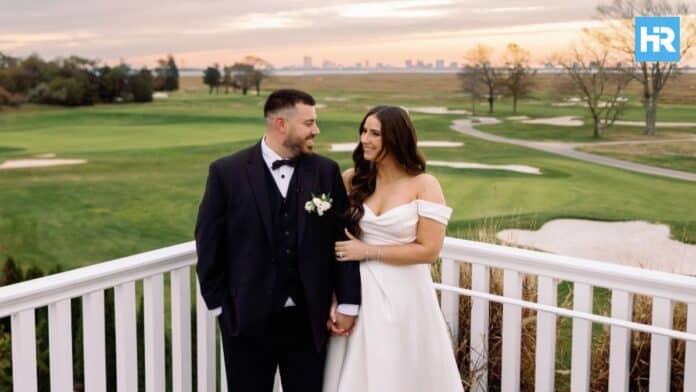
Finding the perfect wedding venue in New Jersey is a journey worth savoring—after all, it’s where memories, laughter, and love will fill the room.

And you’ll be pleased to know New Jersey’s wedding venues have it all, from grand estates and beachfront gems to rustic barns and lush gardens.

Picture yourself saying “I do” in a spot that feels like it was made just for you, whether that’s a chic ballroom or a scenic lakeside retreat.

With so many incredible options, let’s dive into some of NJ’s best wedding venues.

1. The Mansion at Mountain Lakes

If your idea of the perfect wedding venue includes an enchanting garden, polished ballrooms, and a team that’s all about the details, then The Mansion at Mountain Lakes deserves a spot on your list of New Jersey wedding venues.

This place combines elegance with warmth, hosting weddings of up to 350 guests without that “wedding factory” feel.

With two private cocktail rooms and a garden ideal for saying “I do” outdoors, it’s designed to make every part of your day memorable.

Couples often mention the little touches here—like the way staff glides in with champagne just when you need it or makes the smallest details feel extra special.

Address: 90 US-46, Mountain Lakes, NJ

2. Rock Island Lake Club

If a private, lakeside wedding feels like your kind of dream, Rock Island Lake Club in Sparta delivers just that.

This tucked-away spot is designed for exclusivity without distractions—no hotel noise, no random guests—just you, your loved ones, and the natural beauty around you.

With a cedar arch by the lake for a picture-perfect ceremony and floor-to-ceiling windows that frame the view all evening, it feels like your own secret escape.

Every detail here is thoughtfully arranged, and it creates a serene and unforgettable atmosphere from start to finish.

Address: 485 Glen Rd, Sparta Township, NJ

3. Legacy Castle

Legacy Castle is for couples who want that storybook setting without losing a warm, inviting feel.

Set on 17 acres in Pompton Plains, this venue feels like a European escape—marble fountains, sprawling lawns, and staircases that make for memorable photos.

So, if you’re looking for a New Jersey wedding venue that combines classic elegance with thoughtful touches, Legacy Castle is probably your best bet.

The ballrooms feature soaring ceilings and crystal chandeliers, while the terrace is perfect for sunset shots.

Couples love how the team handles every detail, so you can enjoy every moment with family and friends in a setting that feels as grand as comfortable.

Address: 141 NJ-23, Pompton Plains, NJ

4. Hudson House

Hudson House gives you views of New York City without leaving New Jersey.

Sitting right on the Hudson River, this spot has a sleek, urban feel that’s perfect for a modern wedding.

It’s huge—five floors, 40,000 square feet, two main event spaces, and a rooftop lounge that beautifully captures the city skyline.

It has to be said that this wedding venue in New Jersey is a top pick for couples who want a celebration with amazing food.

As the in-house chef, Matteo Limoli, brings a taste of Italy to the menu; guests always rave about the dishes almost as much as the views.

Address: 2 Chapel Ave, Jersey City, NJ

5. Park Savoy Estate

Park Savoy Estate in Florham Park has that timeless appeal but doesn’t feel stuck in the past.

Recently renovated, this estate keeps its classic gardens and stately ballrooms but adds a fresh polish, so it couldn’t be better for couples who want an elegant yet updated space.

As one of the most experienced New Jersey wedding venues, Park Savoy knows how to create a smooth wedding day.

You can say your vows in the gardens, move inside for a beautiful reception and count on a team that handles every detail—from cultural traditions to special requests—without missing a beat.

Address: 236 Ridgedale Ave, Florham Park, NJ

6. The Estate at Florentine Gardens

When it comes to venues in New Jersey that leave a lasting impression, The Estate at Florentine Gardens checks all the boxes.

The Georgian-style mansion greets guests with a grand entrance, so you know the tone is just right for an elegant day.

Inside, the ballroom’s high ceilings and grand staircase bring a touch of drama, while outside, the landscaped gardens are ideal for an outdoor ceremony or photos.

Couples love having options here—you can seamlessly move from an intimate garden setting to a spacious reception hall with up to 350 guests.

The dedicated staff, including a Director of Entertainment & Services, ensures that everything, from music to lighting, runs smoothly so you can relax and enjoy every moment in a polished but far from ordinary setting.

Address: 97 Rivervale Rd, River Vale, NJ

7. Crossed Keys Estate

Crossed Keys Estate in Andover feels like an escape into your own private garden.

The historic estate has a welcoming charm, with lush grounds and cozy spots that set a relaxed tone from the start.

Not to mention, the glass conservatory floods with natural light, while the ballroom’s high ceilings and big windows add an elegant, open feel without losing warmth.

Outside, the garden ceremony space is tucked away in greenery, giving you a peaceful, scenic backdrop.

It’s easy to see why couples love Crossed Keys—everything flows naturally, so it makes the day feel effortless.

Address: 289 Pequest Rd, Andover, NJ

8. The Mill Lakeside Manor

The Mill Lakeside Manor feels like a breath of fresh air by the water.

Right on the lake in Spring Lake Heights, it’s a spot where sunset views bring something magical to every moment.

And thankfully, planning here is surprisingly easy. Their all-inclusive packages handle the heavy lifting, so you’re free to enjoy the ride.

In addition, the reception space has a warm, inviting feel—it is big enough to fit everyone comfortably but still keeps that intimate feeling.

Perhaps one of the biggest perks is that the team here is known for keeping things smooth, so you can soak in each part of your day without worrying.

Address: 1309 Ocean Rd, Spring Lake Heights, NJ

9. Shadowbrook at Shrewsbury

There’s something instantly inviting about Shadowbrook at Shrewsbury.

You turn onto the tree-lined drive, and suddenly, it’s like you’re in another world—a quiet Georgian mansion surrounded by gardens and greenery.

Step inside, and you’ll find high ceilings, natural light, and open ballrooms that feel grand and comfortable.

And you’re probably wondering about the food; let’s just say guests leave raving about it long after the night ends.

Shadowbrook really pulls off the perfect balance—elegant enough for a special celebration but warm enough to feel at home for the day.

Address: 1 Obre Pl, Shrewsbury, NJ

10. The Rockleigh

The Rockleigh feels like a getaway tucked right into Bergen County.

As you drive in, the gardens, fountains, and manicured lawns create a calm, scenic atmosphere that sets the tone.

For couples looking to say their vows outdoors, there’s a garden area surrounded by greenery, which is perfect for intimate moments, don’t you think?

Additionally, the main reception hall is open and bright, so it’s ideal for sophisticated and comfortable gatherings.

Guests appreciate the effortless flow between ceremony and reception, with a team that keeps everything moving smoothly so you can stay in the moment with family and friends.

Address: 26 Paris Ave, Rockleigh, NJ

Let’s Find Your Perfect Spot

Now that you’ve seen some of New Jersey’s best wedding venues, it’s time to find the one that feels like yours.

Whether you’re drawn to gardens, ballrooms, or a picturesque waterfront view, there’s a place here ready to set the stage for your big day.

So, dive in, explore, and prepare to say “I do” somewhere unforgettable.

Mike Williams Joins the Steelers: A Perfect Fit with Russell Wilson

The Pittsburgh Steelers just pulled off one of the most talked-about moves of the 2024 NFL trade deadline.

By trading for wide receiver Mike Williams from the Jets, they’re making it clear they’re serious about chasing a playoff spot.

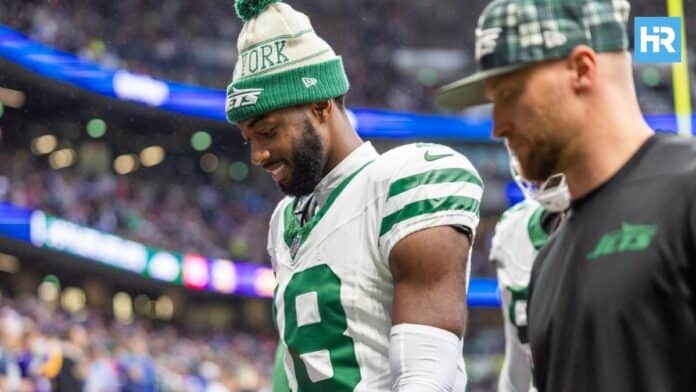
Undoubtedly, this trade is huge for both sides—Williams gets a fresh start after some struggles in New York, and the Steelers add a veteran receiver who’s ready to prove himself.

Let’s break down the drama that led to this trade, what it means for Pittsburgh, and why this could be a match made in football heaven.

Key Takeaways
  • Pittsburgh trades for veteran WR Mike Williams to beef up their receiving corps and support QB Russell Wilson.
  • Friction with Jets QB Aaron Rodgers and reduced playing time led to Williams seeking a new home.
  • Analysts think Williams’ skills will mesh perfectly with Wilson, possibly making the Steelers serious contenders in the AFC North.

How the Steelers Landed Mike Williams

Just before the trade deadline, the Steelers sent the New York Jets a 2025 fifth-round pick in exchange for Mike Williams.

And the move couldn’t have come at a better time for Pittsburgh—they’ve been hunting for another reliable receiver for months.

Earlier targets like Brandon Aiyuk (49ers) and Christian Kirk (Jaguars) fell off the radar due to injuries.

Williams joins a solid receiving group that includes George Pickens, Van Jefferson, and (eventually) Allen Lazard, who’s recovering from a chest injury.

At 6’4″, Williams’ size and contested-catch ability provide the depth Pittsburgh was looking for, and new quarterback Russell Wilson must be excited to have another weapon on the field.

The Rodgers-Williams Drama: What Went Down in New York?

So, why was Mike Williams even on the trade block?

Well, let’s just say things didn’t go as planned in New York.

In the offseason, Williams signed with the Jets on a $10 million deal, coming off ACL surgery.

And the team hoped he’d slide into the WR2 spot behind Garrett Wilson.

But then, Davante Adams showed up.

Adams, Aaron Rodgers’ long-time buddy and favorite target, joined the Jets in a midseason trade from the Raiders.

With Adams in the mix, Williams’ snaps and targets started disappearing.

But that wasn’t even the main issue.

The real drama went down in Week 6 against the Bills.

Late in the game, Rodgers threw a pick and immediately blamed Williams, calling him out for running the wrong route.

Here’s what Rodgers had to say, “It was two verticals. Allen [Lazard is] down the seam, Mike’s down the red line… [but] he’s running an in-breaker. It’s gotta be down the red line.”

Ouch.

Williams didn’t publicly fire back, but sources say it wasn’t a good vibe after that.

He barely practiced the following week and was rumored to have asked for a trade.

Rodgers later softened his tone, saying on The Pat McAfee Show, “Mike’s a good guy. Sometimes a change of scenery is great for certain players.”

A Fresh Start in Pittsburgh

For Williams, this trade is a chance to hit the reset button.

And honestly, it’s probably just what he needs.

He’s already hyped about working with Russell Wilson.

I’m a playmaker. I want to make plays,” Williams said after the trade. “I’m looking forward to building that chemistry with Russ and showing what I can do.

Wilson seems excited, too.

An unnamed team source said, “We need that connection to happen fast. Mike brings a lot to the table, and we believe he can help us get to where we want to be.”

It’s not just about catching passes, though.

At 6’4”, Williams brings something the Steelers’ receiving corps has been missing: size.

Most of their other WRs are speed guys, so Williams’ physicality should open things up for everyone.

The Steelers’ Game Plan with Williams and Wilson

The Steelers are in a good spot this season, sitting at 6-2 and leading the AFC North.

But they know the competition is heating up, especially with teams like the Ravens breathing down their neck.

So, adding Williams to the mix gives Pittsburgh a better shot at staying on top.

Head coach Mike Tomlin is all-in on the move, saying, “Mike’s ability to stretch the field and make big plays could be the key to unlocking our offense’s full potential.”

That said, building chemistry with Wilson will be crucial—and fast.

The two have little time to get on the same page before their next game in Week 10 against the Washington Commanders.

If they can click, though, look out.

The combination of Wilson’s deep ball and Williams’ jump-ball skills could be a nightmare for defenses.

What This Means for the Jets

While the Steelers are celebrating, the Jets are moving forward without Williams.

They’ll rely on Garrett Wilson, Davante Adams, rookie Malachi Corley, and Xavier Gipson to carry the load at wide receiver.

With Allen Lazard on injured reserve until Week 14, their depth will definitely be tested.

What’s Next for Williams and the Steelers?

Williams is set to debut for the Steelers in Week 10, and all eyes will be on him and Wilson to see how quickly they can connect.

In nine games with the Jets, Williams had 12 catches for an average of 13.8 yards per reception.

He’s looking to make an immediate impact and, ideally, score his first touchdown of the season.

For Pittsburgh, this move shows they’re serious about making a deep playoff run.

If Williams can deliver, he could be the missing piece that pushes the Steelers over the top.

A New Chapter for Mike Williams

Mike Williams’ journey from the Jets to the Steelers is a classic NFL story of redemption and second chances.

Things didn’t work out in New York, but Pittsburgh offers him a fresh start with a quarterback who knows how to make the most of his weapons.

If Williams and Wilson can develop that all-important chemistry, the Steelers might just become the team to beat in the AFC.

So, could this be the beginning of a new and exciting chapter in Williams’ career?

Let’s see how it all plays out on the field.

Donald Trump Wins 2024 Presidency with Republican Backing and Changes in New Jersey

It’s no secret the 2024 election really shook things up.

Donald Trump is back in the White House, and expectedly, big changes will come with him.

New Jersey had some surprising results, and voters all over the country made it clear they’re ready for something different.

Let’s break it all down.

Key Takeaways
  • Donald Trump’s 2024 win brings new plans for jobs, immigration, and the military, backed by strong Republican support.
  • New Jersey stayed mostly Democratic, but closer races and stronger Republican results show things are starting to shift.
  • Republicans did better in many areas, showing their ideas are connecting with more people across the country.

Trump Makes a Triumphant Return to the White House

Donald Trump is officially back in the White House.

He won the 2024 presidential election with 301 electoral votes and left Kamala Harris behind at 226.

This is a big deal for the whole country and shows that we’re moving in a new direction.

His campaign focused on creating jobs, tightening immigration policies, and strengthening the military.

And voters in many areas, including some unexpected places, really connected with his message.

In fact, Trump flipped several counties in Texas that have traditionally voted Democrat, including areas with large Hispanic populations.

People are clearly looking for something new, and Trump’s win shows they believe he can deliver it.

With Republicans holding a strong majority in the Senate (52 seats to the Democrats’ 45), Trump has the support he needs to push his plans through.

Thus, you can expect big changes and a fast-paced start to his second term.

NJ Election Results Show Growing Republican Influence

New Jersey has voted for Democrats in every presidential election since 1992, and that trend continued in 2024.

Kamala Harris won New Jersey with 51.6% of the vote, which gave her the state’s 14 electoral votes.

But here’s the twist—Trump wasn’t far behind.

He captured 46.2% of the vote and demonstrated just how much the Republican presence is growing in the state.

Although, the closer-than-expected margin suggests that New Jersey’s political scene is shifting.

While it remains a Democratic stronghold, the GOP is gaining ground, especially in certain districts.

Andy Kim Wins Key Senate Race

The Senate race in New Jersey was a big deal this year.

Democrat Andy Kim took on Republican Curtis Bashaw for the seat left open by Bob Menendez, who resigned amid corruption charges.

Kim won 53.2% of the vote and beat Bashaw’s 44.3%.

This victory was a relief for Democrats, who needed to keep this seat to maintain their influence in the state.

While Kim’s win shows the Democrats’ strength, Bashaw’s performance highlights that Republicans are becoming more competitive in New Jersey.

Tight Races and Surprises in New Jersey House Elections

House races in New Jersey were a mix of predictable wins and surprising results.

Some districts stayed firmly in their party’s control, while others showed just how tight the political battles were becoming.

Here’s how the major races played out:

  • District 1: Donald Norcross (D) won with 57.6%, beating Republican Teddy Liddell’s 40.2%.
  • District 2: Republican Jeff Van Drew held his seat with 58.4%, while Joe Salerno, a Democrat, got 40.9%.
  • District 3: Democrat Herb Conaway won with 52.9%, defeating Rajesh Mohan (R), who had 45%.
  • District 4: Republican Chris Smith had a big win with 67.5%, leaving Democrat Matthew Jenkins at 31.6%.
  • District 5: Democrat Josh Gottheimer took 54.3% of the vote and beat Mary Jo Guinchard (R), who got 43.5%.
  • District 6: Frank Pallone (D) secured 55.7%, leaving Republican Scott Fegler with 40.8%.
  • District 7: In one of the tightest races, Republican Thomas Kean Jr. beat Democrat Sue Altman with 52.4% to 45.7%.
  • District 8: Democrat Rob Menendez won with 59.2%, beating Republican Anthony Valdes, who had 34.6%.
  • District 10: LaMonica McIver (D) had a huge victory with 74.2%, while Carmen Bucco (R) only managed 22.5%.
  • District 11: Mikie Sherrill (D) won with 56.1%, ahead of Joseph Belnome (R), who got 42.3%.
  • District 12: Democrat Bonnie Watson Coleman took 60.3% of the vote, beating Darius Mayfield (R), who had 36.9%.

These results show that while Democrats still have control in most areas, Republicans are making gains in some districts.

The close race in the 7th District is a clear example of how competitive things are becoming.

What These Results Tell Us

New Jersey’s election results mirror what’s happening across the country.

While Democrats have held onto many of their strongholds, Republicans are gaining support in unexpected places.

In states like Texas, Trump flipped several counties with a Hispanic majority, showing that the GOP’s message is resonating with more diverse groups.

For Democrats, this election is a wake-up call.

They’ll need to work harder to connect with voters who are feeling left behind or looking for change.

For Republicans, the focus will be on keeping this momentum going and building on their gains.

What’s Next for the U.S. and New Jersey

With Trump back in the White House and Republicans in control of the Senate, we can expect a lot of action in Washington.

Trump’s priorities include immigration reform, military spending, and economic growth, and he now has the political support to make these happen.

In New Jersey, the close races and shifting voter patterns suggest that change is on the horizon.

Even in a traditionally blue state, Republicans are proving they can compete.

For voters, this means their voices are being heard louder than ever.

The 2024 election wasn’t just about who won but about where the country is heading.

And the results show that major transformations are on the way, nationally and locally.

New York’s After-School Expansion: Opportunities for Youth and Community Growth

New Grants Fuel

Governor Kathy Hochul’s recent decision to invest $100 million in after-school programs across New York is helping make after-school care more affordable—or even free—for families who need it.

Western NY is getting $9 million of that money to spread across 27 locations.

Boys & Girls Clubs in Greece Arcadia and Northern Chautauqua County are among the lucky ones to receive this boost, and it will allow them to offer new programs and expand their support for kids in the area.

Key Takeaways
  • Governor Kathy Hochul’s $100 million grant program, led by New York State, is improving after-school programs across the state, with $9 million going to Western NY.
  • Greece Arcadia Middle School and the Boys & Girls Club of Rochester are creating new after-school programs full of fun activities for kids who need safe places to go.
  • The Boys & Girls Club of Northern Chautauqua County has secured a five-year grant of $350,000 per year, which will give it the resources to serve more children and teens in the area.

Greece Arcadia’s New After-School Program

Greece Arcadia Middle School’s Principal, Brian Lumb, noticed a big gap in after-school options for younger kids.

While older students often had sports or other activities after school, younger kids didn’t have as much available to them.

For years, Lumb wanted to turn Greece Arcadia into a ‘community school.’

He aimed to serve more students and families after school hours and provide kids with positive activities to enjoy.

But finally, after a few applications, they got the grant and made this dream a reality.

Now, this new program allows sixth graders to stay after school until 6 p.m.

Kids can participate up to five days a week through this opportunity, enjoying activities that include games, social-emotional learning, meals, and good times with staff.

The aim is to keep kids safe, engaged, and happy.

Plus, with support from the Boys & Girls Clubs of Rochester, the school can hire teaching assistants and other staff to make sure there’s always plenty of supervision and support.

And it doesn’t stop when school lets out for summer—this program will continue into the warmer months, giving families a low-cost option for keeping kids active and busy during the break.

Northern Chautauqua County: A Story of Community and Resilience

The Boys & Girls Club of Northern Chautauqua County has been an essential part of the community for years, but it wasn’t always easy to keep it going.

A few years back, the Club was close to shutting down, but with a lot of community support, they managed to keep it open.

Now, with the help of the LEAPS (Learning and Enrichment Afterschool Program Supports) grant, the Club has solid, long-term funding that lets it plan for the future.

The LEAPS grant provides $350,000 yearly for five years—the largest grant the Club has ever received.

Executive Director Jeannie Gallaway is thrilled about what this funding means for the Club.

It covers all of their yearly operating costs and allows her to train and hire more staff to provide quality care for the children.

They’ve even been able to make one of their Site Director positions full-time and add a full-time School-age Childcare Coordinator.

This means kids get better attention and guidance from trusted adults.

Looking ahead, Gallaway has big plans to expand its programming, especially for teens.

In the past, the Club mainly served younger kids, but now they’ll be able to add more activities for older kids, focusing on mental health, emotional support, and academic help.

A Bright Future for After-School Programs

Amazingly, these new after-school programs give kids a safe, supportive space where they can learn, grow, and make friends.

In Greece Arcadia, the program is designed to keep younger students busy and engaged after school, which fills a gap for kids who don’t have after-school sports or other activities.

In Northern Chautauqua County, the LEAPS grant gives the Boys & Girls Club a strong foundation to keep growing.

And right now, the Club is busier than ever, with 96 kids attending daily and a waiting list for after-school care.

Thanks to this funding, more kids will have the chance to be part of this supportive community.

The new grant also means that the Club is no longer fully dependent on fundraising and other temporary funds, which gives them stability and peace of mind for the years ahead.

Community Partnerships Strengthen the Programs

The Boys & Girls Club of Northern Chautauqua County has been working with local organizations like United Way, Chautauqua Works, and Erie 2 BOCES, which help the Club by sending volunteers and resources.

They also get support from SUNY Fredonia students, who work with the kids and gain experience in child care and education.

One local Tim Hortons also participated in its Smile Cookie campaign, which raised funds to help the Club continue operating.

These community partnerships, combined with the state’s support, make sure the Club can continue providing quality care and programs for the kids who need them most.

With a strong push from state grants and continued local support, after-school programs across New York are expanding to serve more kids and provide lasting, positive impacts on their lives.

The Boys & Girls Clubs in Greece Arcadia and Northern Chautauqua County demonstrate how dedicated people and new funding can come together.

As a result, real differences are being made for kids, families, and the community.

How Presidential Elections Affect the U.S. Housing Market

House Market

Now that election season is over, you might wonder if it actually affected the housing market.

Every election cycle, there’s a lot of talk about how the market might change, especially with housing prices and supply being such big issues.

But does a presidential election affect your chances to buy or sell a home?

Let’s break it down and see what’s actually happening out there.

Key Takeaways
  • Home buyers and sellers often pause their plans during election time, causing a slight slowdown.
  • Even if a candidate has strong housing policies, they likely won’t affect the market immediately.
  • Mortgage rates and the number of homes available usually have a much bigger effect on the market than election outcomes.

Do Elections Really Slow Down the Housing Market?

Every election year, people talk about a “pause” in the housing market, where some buyers and sellers sit tight while they wait to see who wins before they make any major decisions.

And this year was no exception.

There’s a bit of hesitation as people weigh the potential changes a new president might bring.

Real estate experts say this slight slowdown does happen, but it’s often pretty mild.

We’re not talking about a housing standstill here—just a little less activity as some people play it safe until things feel stable.

While many think interest rates, home prices, and available inventory could change dramatically, broader economic factors usually drive these numbers, not the election results.

Some buyers might pause, but if you plan to buy or sell, experts agree: go for it.

Waiting for political outcomes isn’t usually worth it, especially when home prices continue rising.

Post-Election: What to Expect from Housing Policies

Now that we know who won, we can discuss their housing plans.

Each candidate had ideas about addressing housing challenges, but any big changes from the government won’t happen right away.

Kamala Harris, for example, plans to build 3 million new homes over the next four years and provide down payment assistance for first-time buyers.

But these goals require Congress’s help, so even the most enthusiastic policies won’t change things overnight.

On the other hand, Trump talked about opening federal land for housing and offering tax breaks to first-time buyers.

Like any big policy idea, it will take time, so we likely won’t see changes in the housing market immediately.

If you were hoping for immediate shifts, keep in mind that housing policy is a slow process.

Should You Buy or Sell Now or Wait?

If you’ve been wondering whether to jump into the market or hold off, the experts have some clear advice: go ahead.

Once you buy a home, you start building equity and can refinance later if rates drop.

Plus, waiting it out doesn’t necessarily give you an edge—there’s no guarantee that prices or interest rates will suddenly become more favorable just because an election is over.

Home values are expected to keep going up, so if your finances are in order, now is a good time to make your move.

Most analysts agree that the election results don’t make much difference in the immediate real estate market.

So, if you plan to buy or sell, don’t let the recent election hold you back.

A Look at Hudson Valley: Local Trends and Election Effects

In certain areas, like New York’s Hudson Valley, the effects of the election feel a little more obvious.

The Hudson Valley market has been under pressure even before election season due to a lack of inventory, high interest rates, and the ripple effects of the pandemic.

Undoubtedly, election-related uncertainty has added to the existing challenges.

Here, some buyers and sellers paused, waiting for the election outcome before making any big decisions.

However, with the election results out, real estate agents predict that people will start making moves again.

The real estate market typically slows down in winter, but experts in Hudson Valley believe it might be busier than usual as those who waited for the election results jump back in.

For those in this region, the end of the election season might even mean a faster-than-usual recovery in the housing market.

The Real Drivers Behind Housing Market Changes

Beyond election results, other forces are having a major effect on the housing market right now, like interest rates and recent changes in how real estate agents charge commissions.

The National Association of Realtors (NAR) settled an antitrust lawsuit earlier this year, ending the requirement that buyers cover agents’ commissions.

Now, commissions are up for negotiation. And this could be a game-changer for both buyers and agents.

High interest rates have also made sellers reluctant to list their homes, especially those with ultra-low mortgage rates from a few years back.

Imagine trading in your 3% mortgage for a 7% one—not appealing in the slightest.

Inventory is low because people don’t want to lose those good rates, which limits options for buyers.

Experts say we may see more listings when interest rates drop closer to 5%, but this could take a while.

Mid-Range Homes Are Selling Fast

Despite fewer buyers overall, certain types of homes are still flying off the market—mainly mid-range properties priced between $300,000 and $450,000.

These homes tend to attract buyers who need to move for work, school, or other life events.

Even with fewer buyers, there’s plenty of competition for these properties.

In fact, many are getting multiple offers, some even over the asking price.

But things look a bit different for those of you in the luxury market.

Homes over $1 million are taking longer to sell, and some sellers are reducing prices to attract more interest.

While mid-range homes are still in demand, luxury properties are sitting longer, which reflects a shift back toward pre-pandemic market trends.

What’s Next for the Housing Market?

With the election now behind us, you might expect a big market shift, but the truth is more gradual.

Spring is usually the busiest season in real estate, and experts anticipate that the market will ramp up again around then, especially if interest rates dip.

We may see even more action as mortgage rates approach the 5% mark in 2025, which will make the market friendlier for buyers and sellers.

In places like Hudson Valley, where demand has been high and inventory low, things are starting to settle back to pre-pandemic norms.

Prices are stabilizing, and while we’re seeing fewer bidding wars, well-priced homes are still moving quickly.

Conversely, the luxury market continues to see a longer sale cycle, with some sellers lowering prices to catch buyers’ attention.

In summary, although elections create a temporary market lull, they do not significantly affect the housing market overall.

The real movers in this market are interest rates, inventory, and regional trends.

If you’re ready to buy or sell, focus on what works for you financially rather than waiting for political outcomes to dictate your decision.

Michigan’s Largest Solar Park, Sauk Solar, Brings Clean Energy to 40,000 Homes

Sauk Solar Park, Michigan’s largest solar project, has officially begun powering homes from its location in Union City, Branch County.

Built by DTE Energy, it covers 900 acres and runs on 347,000 solar panels, generating 150 megawatts of power.

And that’s enough to power about 40,000 homes!

Although, this project isn’t solely about flipping the switch on more solar panels.

It’s part of DTE Energy’s ambitious plan to boost Michigan’s renewable energy, lower carbon emissions, and create lasting benefits for the local community.

Key Takeaways
  • Sauk Solar Park covers 900 acres, using 347,000 panels to generate power for about 40,000 homes.
  • The project created over 350 jobs and offered local farmers extra income by leasing their land for solar panels.
  • Sauk Solar is part of DTE’s plan to cut carbon emissions and add more renewable energy, aiming for net-zero emissions by 2050.

Sauk Solar Park Powers Michigan with Clean Energy

Sauk Solar Park is a huge facility—more than three times the size of DTE’s previous largest solar farm in Lapeer.

DTE Energy, a leader in Michigan’s energy industry, has developed this park as part of its CleanVision MIGreenPower program, which allows customers to support renewable energy.

With over 100,000 residential and nearly 2,000 business customers already signed up, this new solar park is an important addition to Michigan’s clean energy transition.

At 150MW, Sauk Solar is a significant achievement in Michigan’s drive for sustainable power.

This facility alone can provide renewable energy to thousands of homes and reduce the need for coal and other traditional energy sources.

It’s also the first of six new solar parks DTE plans to open by 2035 to meet a 60% clean energy target.

This new series of projects aligns with DTE’s goal of achieving net-zero carbon emissions by 2050, helping Michigan take the lead in renewable energy.

Job Creation and Community Support

Aside from producing clean energy, Sauk Solar Park also brings substantial economic benefits to local communities.

The project generated over 350 jobs during construction, providing employment and strengthening the local economy.

Since 2009, DTE’s renewable energy projects have contributed over 20,000 jobs to Michigan, and Sauk Solar continues that positive trend.

Furthermore, these jobs create ripple effects in the local economy as workers spend their earnings at area businesses.

In turn, the economic benefits are felt in local stores, restaurants, and other services that support the community.

Renee Tomina, senior vice president of project management at DTE, emphasizes how these jobs bring real financial benefits to the community.

Additionally, DTE worked closely with Branch County officials and built strong local partnerships as they developed the project.

Community leaders have appreciated this approach, and it reflects DTE’s commitment to making a long-term impact.

Benefits for Local Farmers and Families

In addition to job creation, Sauk Solar provides new opportunities for farmers in Branch County.

Agriculture is a core part of the local economy, and farmers in the area see the potential to benefit from Sauk Solar’s development.

Some of the land hosting solar panels comes from local farms, offering the farmers additional income.

This new revenue stream helps farmers keep their land in the family and supports the local agricultural economy.

Joe Musallam, DTE’s vice president of renewable energy sales, sees this as a way for farmers to protect their land while creating financial stability for the future.

With Michigan’s agricultural sector facing many challenges, the solar park provides a valuable source of stable income for farmers and their families.

Building a Sustainable Future for Michigan

Sauk Solar marks the start of Michigan’s broader shift toward clean, renewable energy.

This solar park is the first in a series of solar projects that DTE has lined up to meet the growing demand for clean energy.

Through the CleanVision MIGreenPower program, DTE empowers Michigan residents to actively participate in the state’s clean energy transition.

Currently, DTE’s renewable energy sources power over 750,000 homes, but they plan to increase that to 5.5 million homes by 2042.

And the Sauk Solar project is a first step, demonstrating that large-scale renewable projects can deliver immediate benefits to communities and long-term sustainability for Michigan’s energy supply.

Each new solar project will help Michigan reduce its dependence on coal and phase out coal entirely by 2032.

The shift to clean energy goes beyond meeting state targets; it’s focused on providing the kind of renewable energy that Michigan residents want.

Projects like Sauk Solar are helping turn Michigan’s green energy goals into reality, ensuring a cleaner and brighter future for future generations.

Stop & Shop Closing 38 Stores Across Five States and Future Plans

As of November 2, 2024, Stop & Shop completed the permanent closure of 38 stores across five states in the Northeast.

This decision was part of a larger plan to focus on the chain’s strongest stores, offer better prices, and update more locations to keep shoppers happy.

Although Stop & Shop still has over 350 locations open, many shoppers feel the impact of these closed stores and wonder what’s next.

Here’s a rundown of why these closures happened, which areas were affected, and what Stop & Shop has planned to help it stay relevant and keep customers happy.

Key Takeaways
  • Stop & Shop officially closed 38 stores across five states by November 2, 2024, to focus on better-performing stores.
  • The closures were part of a plan to offer lower prices and update stores for a better shopping experience.
  • Affected employees were given chances to work at other Stop & Shop locations, and the remodeled stores are designed to keep regular shoppers coming back.

Why Did Stop & Shop Close These Stores?

Stop & Shop closed these stores to focus on performing locations and make improvements where they could make a difference.

Since 2018, they’ve renovated over 190 stores, adding more self-checkout options, energy-saving fridges, wider aisles, and even fancy new food counters with treats like buffalo tenders and pepperoni flatbreads.

By investing in these updates, Stop & Shop aimed to stay competitive with big players like Walmart, Target, and Aldi.

Each of the 38 stores was chosen to close based on a few factors, such as sales performance, nearby competition, and lease terms.

For the employees affected by the closures, Stop & Shop has promised to offer jobs at other nearby locations so they won’t be left in the dark.

Which Locations Closed?

The 38 closed stores were spread across five states where Stop & Shop operates.

Here’s a list of affected areas:

  • Connecticut: Ansonia, Torrington, Stamford, Milford, Danbury
  • Massachusetts: Brockton, Raynham, Plymouth, Shrewsbury, Newton, Springfield, Worcester, Pembroke
  • New Jersey: Edison, South Edison, Howell, Phillipsburg, Piscataway, Carlstadt, Franklin Township, Ringwood
  • New York: Brooklyn, Greenvale, West Haverstraw, Coram, Hempstead, Mt. Vernon
  • Rhode Island: Johnston, Providence

Though November 2 was the final deadline for closures, some of these stores closed earlier due to low performance or high costs.

Stop & Shop did its best to inform customers about exact closing dates to make the transition easier.

How Did the Community React?

As expected, the news of these closures brought out different reactions from the community.

Many loyal customers felt the loss of their local Stop & Shop, especially in areas where they relied on it for their weekly grocery runs.

Some expressed surprise that the stores lasted as long as they did, particularly in areas with high competition from nearby Target and Walmart.

And it was hard for many to see the doors close on a store they had used for years.

Others were eager to try different stores nearby that offer lower prices or a faster shopping experience, with many pointing to alternatives like Walmart, Target, or Aldi as options they’d now consider for their grocery needs.

Stop & Shop’s Future Strategy

After closing these stores, Stop & Shop planned to focus more on upgrading its remaining stores and offering customers a better experience.

For a brand that has existed for over a century, Stop & Shop has had to keep up with new challenges and competitors.

Alongside physical upgrades like wider aisles and expanded food sections, Stop & Shop has aimed to bring in more budget-friendly promotions to help shoppers.

They introduced deals like 99-cent offers and digital coupons to make grocery shopping easier on the wallet.

Stop & Shop also continued partnerships with delivery services like Instacart and DoorDash, so customers could shop online if they preferred.

The company set aside a $1 billion budget to roll out these changes over the next four years, hoping these updates would help bring back loyal customers.

Facing Strong Competition

Stop & Shop faces a lot of competition in today’s grocery market.

Other stores, like Big Y and Roche Brothers, bring a different shopping experience that some customers prefer, while discount stores like Aldi and BJ’s are gaining popularity for their lower prices.

Analysts noted that Stop & Shop has had to make tough decisions over the years to control costs, such as cutting back on fresh-cut meats and seafood services.

Nonetheless, this made it harder for them to compete in variety and service.

The grocery chain has also dealt with challenges in recent years.

A major strike in 2019 involving 31,000 Stop & Shop workers led to big sales losses, and shortly afterward, the COVID-19 pandemic brought challenges to the supply chain and operations.

As you can imagine, this affected Stop & Shop’s performance, and it has since had to work hard to keep up with a changing market.

What’s Next for Stop & Shop?

Now that the closures have taken place, Stop & Shop is looking to make a fresh start by focusing on store remodels and customer-friendly pricing.

They planned to improve their remaining stores by creating a more inviting layout, adding new food options, and speeding up the checkout experience.

The company hopes these changes will bring back customers and show that Stop & Shop is still committed to meeting shoppers’ needs.

Moving forward, Stop & Shop will likely keep adjusting its business to stay competitive.

The company hopes to remind people why Stop & Shop has been a grocery favorite for so long by improving stores and continuing to offer promotions.

With over 350 stores remaining, Stop & Shop is working to make sure it remains a top choice for shoppers in the Northeast.

Rock Climbing for New Climbers: Your Step-by-Step Guide

So, you’re thinking about starting rock climbing?

Maybe you’ve seen a cool photo of someone scaling a cliff or walked past a gym with colorful walls and thought, “I can do that.”

Well, you’re right—you totally can! Rock climbing is one of the most rewarding activities out there.

Aside from reaching the top, the sport is about challenging yourself, building strength, and feeling the adrenaline.

But let’s be honest—getting started can seem a little overwhelming.

All that gear, the lingo, and the thought of dangling mid-air?

It’s a lot to take in. But fear not!

When you finish reading this guide, you’ll know exactly what to expect, what to pack, and how to start climbing your way up in no time.

Key Takeaways
  • Begin with bouldering or top-rope climbing. They’re beginner-friendly and help you build core skills without complicated gear.
  • The right climbing shoes and a helmet are just the start. Learn what essentials you need and how to choose them.
  • Take classes, practice the basics, and remember: double-checking your gear and communication saves lives.

Types of Rock Climbing to Start With

Before you jump into climbing, it’s important to know that not all climbing is the same.

Here are the most common types of climbing beginners can try:

1. Top Rope Climbing: The Trusty Start

Top rope climbing is like the training wheels of the climbing world.

You’re tied to a rope that runs up to an anchor at the top of the route and back down to your belayer (your partner who manages the rope).

If you slip, the belayer tightens the rope to catch you, which means less falling and more peace of mind while you learn the ropes (pun intended).

What You’ll Love:

  • The safety net of a belayer makes it perfect for beginners.
  • You can focus on your technique without worrying about big falls.

Key Tip: Make sure your belayer is certified or trained. Your life literally depends on it.

2. Bouldering: Short, Sweet, and No Ropes

Bouldering is climbing on shorter walls, usually no more than 20 feet high, without the safety of ropes or a harness.

But don’t freak out just yet—bouldering routes, or “problems,” are protected by thick crash pads on the ground, and you can climb with friends who “spot” you to make sure you land safely.

Why It’s Great for Beginners:

  • Minimal gear is needed (just shoes and chalk).
  • It’s a fun, social way to start climbing.
  • Builds strength and problem-solving skills quickly.

Heads Up: Even though you don’t have ropes, falling still happens, so learning to fall safely is incredibly important.

3. Sport Climbing: A Step Up

Sport climbing uses ropes like top rope climbing, but with a twist—you clip your rope into bolts as you climb up the route.

This means you need to have some belaying and climbing experience before jumping into it.

Why You’d Try It:

  • Offers a taste of what more advanced outdoor climbing feels like.
  • Challenges your endurance and gear management skills.

Pro Tip: Make sure you’re comfortable with belaying and falling safely before attempting sports climbing.

Gearing Up: What You Need and Why

Here’s a simple rule to follow: good gear = good time.

So, don’t skimp on your equipment when starting out.

Quality gear will keep you safe and make climbing more comfortable and fun.

Let’s break down the must-haves:

1. Climbing Shoes: Your Most Important Tool

If there’s one piece of gear you shouldn’t compromise on, it’s your climbing shoes.

These shoes have a snug fit with a special rubber sole that helps you grip tiny holds.

Choosing Your First Pair:

  • Fit: Go for a snug but not painfully tight fit. Your toes should touch the end but not curl.
  • Style: Beginners should choose neutral or flat shoes for comfort.
  • Material: Leather or synthetic? Leather stretches more over time, while synthetic shoes maintain their shape.

Fun Fact: Experienced climbers may size down a lot, but comfort should be your top priority as a beginner.

2. Harness: Safety First!

A harness secures you to the rope and distributes your weight if you fall.

Therefore, look for a harness with adjustable leg loops and a well-padded waist belt.

You’ll be in it for a while, so comfort is key!

Harness Checks:

  • Ensure the belay loop is sturdy.
  • Check for double-backed buckles that won’t slip.

2. Chalk and Chalk Bag: Keeping It Dry

Chalk absorbs sweat and helps keep your hands dry for a better grip.

Most climbers use loose chalk or chalk balls that you keep in a bag attached to your waist.

Pro Tip: Don’t go overboard. Too much chalk can clog up the holds and make them slippery.

3. Helmet: Yes, You Need One

A helmet isn’t just for outdoor climbing.

Even at indoor gyms, it can protect you from accidental falls or dropped gear from climbers above.

Safety first, always!

What to Look For:

  • Lightweight and snug fit.
  • Adjustable straps for a secure fit.

4. Belay Device and Carabiner

If you plan to belay, you’ll need a locking carabiner and a belay device.

Essentially, these help control the rope while belaying and can also be used for rappelling.

Belay Device Types:

  • Tube-style (e.g., ATC): Great for beginners and easy to use.
  • Assisted-braking devices (e.g., GriGri): These devices provide extra safety by locking the rope automatically if there’s a sudden fall.

How to Start Rock Climbing: Learn, Practice, and Practice Some More

Rock climbing may seem like an intense combination of physical strength and mental endurance—and it is!

But mastering the basics and knowing where to start makes all the difference.

So, here’s how to get your foundation solid before you tackle more challenging climbs.

1. Take a Class or Learn from a Pro

The quickest and safest way to start climbing is to learn from a certified instructor or a seasoned climbing friend who knows the ropes—literally.

Most climbing gyms offer beginner classes, which aren’t just a formality.

They cover essential, life-saving techniques that set you up for success and safety:

  • Basic Techniques: You’ll learn proper foot placement, balance control, and how to shift your body weight for efficient climbing.
  • Knot-Tying: Mastering the figure-8 knot is non-negotiable. This knot is the gold standard for tying into a climbing harness and ensures safety.
  • Belaying Basics: Understanding how to belay correctly is crucial for climbing with a partner. You’ll learn to manage the rope, lock it off when necessary, and secure a fellow climber.
  • Climbing Commands: Familiarize yourself with standard communication phrases like “On belay?” and “Climbing!” Clear communication is vital to avoid confusion and ensure everyone’s safety during a climb.

Important Tip: Don’t skip proper training even if you feel confident and think you can teach yourself. A solid foundation will make you a better and safer climber.

2. Climbing Technique 101

Now for the fun part—how to rock climb efficiently.

Climbing is quite far from solely brute strength; it’s an art that requires technique, strategy, and finesse.

Here are the basics to get you started:

  • Use Your Legs, Not Your Arms: Your legs are far stronger than your arms, so use them to push yourself up. Think of your arms more as stabilizers that guide you while your legs do the heavy lifting.
  • Keep Your Arms Straight: Keep your arms extended and avoid pulling yourself close to the wall. Bent arms tire out faster, so keeping them straight helps conserve energy.
  • Maintain Balance: Keep your body close to the wall to stay balanced and reduce strain. This helps you shift your weight from one hold to the next more smoothly.
  • Plan Your Moves: Before moving, look up and identify where your hands and feet are placed. Climbing is like solving a puzzle; each move should be intentional and strategic.
  • Pro Move—Quiet Feet: Work on placing your feet deliberately. Avoid scraping or stomping around, as noisy, rushed movements waste energy and can throw off your balance. Practice “quiet feet” by moving them smoothly and precisely to each foothold.

3. Practice Falling (Yes, Really!)

Arguably, the biggest mental hurdle for new climbers is the fear of falling.

Practicing controlled falls in a safe, supervised environment helps break down this fear, build trust in your gear, and boost your confidence.

Here’s how to practice falling effectively:

  • Choose a Low-Height Route: Start by practicing on a route where you’re not too far from the ground.
  • Clip In and Communicate: Make sure you’re clipped in as you would be for lead climbing and that your belayer is prepared. Double-check your belay setup to ensure everything is secure.
  • Take a Small Fall: Begin with a minor, controlled fall and let your belayer catch you. Feel the rope tension and get used to the sensation.
  • Repeat and Extend: Gradually increase the length of your falls as your comfort level rises. The goal is to become familiar with how your harness and belay system responds so each fall feels less intimidating.

Why Practice Falling? This exercise helps you build mental resilience and trust in your climbing setup. You’ll climb more confidently and take calculated risks without freezing up in fear.

Safety Tips: The Golden Rules of Climbing

Rock climbing is exhilarating, but like any adventure sport, it comes with risks.

The good news is that by following the right safety measures, you can enjoy climbing with peace of mind and keep yourself and others safe.

Here’s how to climb smart every time.

1. Always Double-Check Your Gear

Your gear is your lifeline, so never rush through pre-climb checks.

Double-checking your equipment isn’t just a precaution—it’s essential to your climbing routine.

Buddy Check Essentials:

  • Harness: Ensure it’s snug around your waist and legs, with all straps properly threaded and buckled. The waistband should sit above your hips and be tight enough not to slide down.
  • Knots: Pay extra attention to your figure-8 knot. It should be tightly cinched with a tail of at least 4-6 inches remaining. Double-check that it’s tied through both the hard points of your harness (the waist belt and leg loops).
  • Belay Device and Carabiner: Make sure the rope is properly threaded through the belay device and the carabiner is locked. Test the carabiner with a light squeeze to confirm it won’t accidentally open.
  • Helmet: If you’re climbing outdoors, don’t skip the helmet. It’s your best protection against falling rocks or accidental impacts.

Pro Tip: Always run through a quick mental checklist before starting each climb. It might seem repetitive, but it can prevent life-threatening mistakes.

2. Use Proper Climbing Commands

Clear communication between the climber and the belayer is crucial for a safe climbing experience.

These commands ensure that both parties are aware of their roles and ready to proceed.

Key Climbing Commands:

  • “On belay?” – The climber’s way of asking if the belayer is prepared and the rope is secure.
  • “Belay is on.” – The belayer’s response to confirm they’re ready.
  • “Climbing!” – The climber’s announcement that they are starting the ascent.
  • “Climb on!” – The belayer’s go-ahead signal, indicating they are focused and ready.
  • Important: Make sure the belayer is paying full attention. Distractions like checking a phone or chatting can lead to serious accidents. So, it goes without saying that a focused belayer is a safe belayer.

Additional Communication Tips:

  • If the climber feels nervous or needs the rope tighter, use clear phrases like “Take!” (for more tension).
  • Use “Lowering!” and wait for the belayer to respond, “Lowering on!” before descending.

3. Respect Your Limits

It’s natural to want to push your boundaries, but knowing when to stop is just as important as pushing through.

In most cases, overexertion can lead to sloppy moves, poor decision-making, and accidents.

Tips for Recognizing Your Limits:

  • Listen to Your Body: If your arms shake uncontrollably or you’re struggling to focus, it’s time to come down. Fatigue impacts your ability to grip, balance, and react.
  • Take Regular Breaks: Even experienced climbers rest between routes to prevent overuse injuries.
  • Trust Your Instincts: If something doesn’t feel right, don’t ignore it. Your safety is more valuable than completing a climb.

Remember: It’s better to end a session early and return stronger another day than risk injury by pushing too hard.

4. Be Aware of Your Surroundings

Climbing environments, whether indoors or outdoors, are dynamic, with plenty of activity going on.

So, being aware of your surroundings can prevent accidents and help you respond to potential hazards.

Indoors:

  • Other Climbers: Keep an eye on climbers around you. Give others space and be mindful of people working on routes nearby.
  • Loose Holds: Indoor holds can become loose over time. If a hold feels wobbly, inform gym staff so they can address it.

Outdoors:

  • Falling Rocks and Gear: Outdoor climbing presents the added risk of falling debris. Helmets are a must, even if the route seems safe. Always check the condition of the rock face before starting your climb.
  • Climbers Above You: Be cautious if there are climbers above you; they can accidentally dislodge rocks or drop gear. If you hear “Rock!” or “Rope!” shouted from above, immediately move to a safe position.
  • Wildlife and Natural Elements: Watch out for bees, snakes, or other wildlife that could disrupt your climb. Also, be aware of sudden changes in weather that could make climbing dangerous.

Quick Outdoor Safety Tip: Choose your route wisely, especially if you’re climbing in an unfamiliar area. You can check local climbing guides or talk to experienced climbers to know which spots are safest and what to watch out for.

Taking It Outdoors: Your First Outdoor Climb

Indoor climbing gyms are perfect for building skills, confidence, and community. But stepping out into nature to tackle real rock is where the true adventure begins.

Climbing outdoors adds elements like changing rock textures, weather conditions, and a deeper sense of accomplishment.

Here’s how to make a smooth transition from gym to outdoor climbing.

1. Choose the Right Location

The key to a successful first outdoor climb is choosing the right spot.

Not all crags are created equal, so finding a beginner-friendly location is crucial for safety and enjoyment.

Tips for Finding the Perfect Beginner Crag:

  • Do Your Homework: Research guidebooks, climbing apps like Mountain Project, or online forums to find areas known for easy routes with secure anchors. Look for ratings around 5.5 to 5.8 on the Yosemite Decimal System (YDS), which indicates beginner-level climbs.
  • Talk to Local Climbers: Get insights from more experienced climbers who know the area. They can point you to routes that are both beginner-friendly and safe.
  • Guided Sessions: If you’re nervous about heading out solo, consider hiring a certified guide for your first few outdoor climbs. They can provide hands-on tips and ensure you’re following proper safety procedures.

Important Outdoor Etiquette:

  • Leave No Trace: Always pack out whatever you pack in, including food wrappers, chalk, and tape. This helps maintain the natural beauty of climbing areas.
  • Respect Wildlife and Local Rules: Some climbing spots are home to wildlife or may have restrictions during certain seasons (e.g., bird nesting). Follow posted rules and avoid disturbing nature.
  • Stay on Marked Trails: Protect the environment by sticking to established paths. This minimizes erosion and prevents damaging delicate vegetation.

2. Setting Up a Top Rope Anchor

In an indoor gym, top ropes are conveniently set up for you.

Outdoors, however, you may need to set up your own anchor to top-rope safely.

Thus, building a secure anchor is essential for safe climbing outside.

Anchor-Building Basics:

  • Use Natural and Fixed Features: Look for solid rock formations, trees, or pre-installed bolts to build your anchor. Always check that natural anchors (like trees) are healthy and stable.
  • Equalization: Distribute the weight evenly among all anchor points to ensure stability. This reduces the risk of failure if one anchor point shifts or fails.
  • Redundancy: Use multiple anchor points for added safety. If one fails, the other points provide backup.
  • Secure Knots and Slings: When setting up your anchor system, use strong, reliable knots like the clove hitch or figure-8 on a bight. Always double-check for tightness and correct threading.
  • Angle Matters: Keep the angle between anchor points at less than 60 degrees to avoid unnecessary stress on the anchor system.

Must-Have Gear for Outdoor Top Rope Anchors:

  • Dynamic Rope (60-70 meters): A dynamic rope can stretch under load, which helps absorb the shock of a fall.
  • Personal Anchor System (PAS) or Daisy Chain: Essential for securing yourself to an anchor while setting it up or cleaning a route.
  • Locking Carabiners: At least 3-4, used to secure your rope to the anchor points and belay device.
  • Slings and Webbing: Ideal for creating anchor points around trees or boulders.
  • Quickdraws: Useful if transitioning from top rope to sport climbing, where you clip your rope into pre-installed bolts as you ascend.

3. Essential Safety Tips for Outdoor Climbing

Climbing outdoors adds variables that aren’t present in a controlled gym setting.

And these safety tips will help keep your first outdoor experience both enjoyable and accident-free.

  • Pre-Climb Check: Confirm that your anchor is secure, your harness is snug, and all knots are correctly tied. Do a buddy check with your belayer to make sure the belay device and carabiners are set up properly.
  • Inspect Your Rope: Outdoors, your rope may come into contact with rough rock, so check it regularly for frays or weak spots.
  • Helmet On: Falling rocks or gear from climbers above can be a hazard, so wearing a helmet is non-negotiable.
  • Check Forecasts: Be aware of the day’s weather. Sudden rain can make rock surfaces slick and dangerous, while extreme heat can lead to dehydration or heatstroke.
  • Wind Factor: Wind can interfere with communication between climber and belayer, so establish clear hand signals or use walkie-talkies if necessary.
  • Use Clear Commands: Like in the gym, use established climbing commands to coordinate with your belayer. Outdoor areas can be noisy, so speak up and use eye contact.
  • Plan Your Descent: Know whether you’ll be rappelling or being lowered before you start climbing. Miscommunication at the top of a route can lead to accidents.

4. Adjusting to Outdoor Climbing Challenges

Climbing outside is different from gym climbing in more ways than one.

The holds are not color-coded, and the rock surface varies in texture, which can be exciting and challenging.

Navigating the Route:

  • Route-Finding Skills: Unlike the brightly marked paths in a gym, outdoor routes may require a keen eye to find the best holds. Study the rock face before starting and identify features like cracks, ledges, and jug holds.
  • Adapting Your Grip: Outdoor rock types (granite, limestone, or sandstone) offer different textures and challenges. Adjust your grip and foot placements accordingly.

Climbing Etiquette:

  • Keep Noise Levels Down: Climbing outdoors often means sharing space with others seeking a peaceful experience. Keep voices low, especially in popular or eco-sensitive areas.
  • Yield to Climbers: Be courteous if someone is already on a route. Don’t crowd them or rush them through their climb.

Building Strength and Technique Off the Wall

Dedicating time to training off the wall is just as important as practicing on it to improve climbing performance and prevent injuries.

Here’s how to build the strength, flexibility, and technique to make you a stronger, more agile climber.

1. Core and Upper Body Workouts

Your core and upper body are the driving force behind many climbing movements.

So, developing these muscles will enhance your ability to stay close to the wall, maintain balance, and execute powerful moves.

Essential Core and Upper Body Exercises:

  • Pull-Ups: These are a staple for climbers and can be varied to target different muscle groups. Try wide-grip pull-ups for lats and standard pull-ups for overall upper-body strength. Start with sets of 5-8 reps and gradually increase.
  • Dead Hangs: Hang from a pull-up bar or hang board with straight arms and engaged shoulders. This helps improve grip endurance and shoulder stability.
  • Planks and Leg Raises: Standard and side planks strengthen your core, which is essential for stabilizing your body on the wall. Leg raises target your lower abs, which help with high foot placements and core control during overhangs.
  • Shoulder Stabilizers: Band pulls, scapular push-ups, and face pulls help protect against common shoulder injuries like rotator cuff strains. Integrate these into your warm-up routine or recovery days.

Pro Tip: Mix in dynamic movements like mountain climbers or Russian twists to add functional strength that mimics the twisting and turning motions you use while climbing.

2. Lower Body Strength and Flexibility

As you’ll know by now, climbing isn’t just an upper-body workout. Strong legs and flexible hips are crucial for pushing up from your feet and maintaining stability.

Lower Body Exercises:

Step-Ups and Lunges: Mimic high steps and flagging by doing step-ups onto a bench or lunges that focus on the hip flexors and glutes.

  • Calf Raises: Strong calves help maintain tension on small footholds and support explosive moves like dynos.
  • Hip Bridges: Strengthen your glutes and improve core stability with hip bridges. This exercise supports moves where you must push your hips toward the wall.

Flexibility Drills:

  • Hip Openers: Pigeon pose and butterfly stretches improve hip flexibility. Flexible hips help you pivot, stem, and spread your legs to reach holds efficiently.
  • Hamstring Stretches: Use forward bends and seated stretches to lengthen your hamstrings. This helps with high steps and ensures your legs can extend fully when needed.
  • Shoulder Mobility: Arm circles, wall slides, and shoulder dislocation with a resistance band keep your shoulders mobile for long reaches and dynamic moves.

Climber’s Tip: Regularly dedicate time to stretching after climbing sessions to maintain and improve your range of motion. This helps prevent tight muscles that can limit your reach and flexibility.

3. Finger Strength Training

Strong fingers are essential for gripping holds of all shapes and sizes.

However, finger strength should be built up gradually to prevent common overuse injuries like tendonitis or pulley strains.

How to Build Finger Strength Safely:

  • Hangboard Training: Begin with basic dead hangs on a hangboard. Use a full or half crimp position, but avoid overloading your fingers by starting with weight hangs for 10-15 seconds. Rest for at least 2 minutes between sets.
  • Grip Variations: Train with different grips, such as open-hand holds, two-finger pockets, and pinches, to prepare your fingers for various types of holds.
  • Warming Up: Always warm up your fingers with light stretches and gentle hangs before starting more intense finger exercises. This increases blood flow and reduces the risk of injury.

Progression Tip: Use progressive loading by adding small weights or using one-arm hangs (with assistance if needed) as your strength improves. Be mindful not to rush progression; tendons take longer to adapt than muscles.

4. Holistic Training

While strength training and flexibility are essential, adding endurance training ensures you can sustain effort over longer climbs without fatigue.

Endurance Workouts:

  • ARC Training (Aerobic Restoration and Capillarity): Climb continuous, easy routes at a low intensity for 20-30 minutes to build endurance in your forearms and core. This helps prepare for long climbs and reduces the “pump” feeling in your forearms.
  • Circuit Training: Combine climbing drills like traversing back and forth on a bouldering wall with exercises like push-ups, squats, and planks. This helps improve your climbing stamina while keeping your heart rate up.
  • Interval Training: Alternate between high-intensity routes and short rest periods to build power endurance. This prepares you for challenging routes that require quick, powerful movements followed by moments of rest.

5. Injury Prevention and Recovery

Training hard is important, but recovery is equally critical.

Overuse injuries, such as tendonitis or muscle strains, can derail progress.

Prevention Tips:

  • Warm Up Properly: Spend 10-15 minutes warming up with dynamic stretches and light cardio before climbing or strength training.
  • Listen to Your Body: Stop and assess if you feel pain (not to be confused with muscle fatigue). Ignoring warning signs can turn a minor issue into a long-term injury.
  • Strengthen Supporting Muscles: Include exercises that target smaller muscle groups like the forearms, rotator cuff, and fingers to ensure overall joint stability.

Recovery Tips:

  • Active Recovery: On rest days, incorporate low-impact activities like yoga or swimming to maintain flexibility and promote blood flow.
  • Stretch After Training: Always cool down with static stretches, focusing on the areas most impacted by climbing, like your forearms, shoulders, and legs.
  • Hydration and Nutrition: Proper hydration helps prevent cramps and supports muscle recovery. Eating a balanced diet rich in protein and vitamins aids in muscle repair and overall performance.

Climber’s Recovery Tip: After intense training sessions, use massage tools or foam rollers to target sore muscles and break down lactic acid buildup.

Climbing Etiquette: Respecting the Rock and Fellow Climbers

Climbing is as much about community and respect as physical strength and skill.

So, whether you’re scaling an indoor gym wall or tackling an outdoor crag, knowing the unwritten (and sometimes written) rules of climbing etiquette is essential.

Following these guidelines ensures a better experience for everyone and helps preserve the environment for future adventurers.

Here’s how to climb with class and consideration.

1. Share and Be Mindful of Popular Routes

As you can imagine, climbing spots can get crowded, especially during peak times.

One of the key principles of good climbing etiquette is being considerate of others who want to climb.

  • Don’t Monopolize Routes: Be efficient if you’re working on a popular climb. Take your turn, and then step aside so others can have a go. If you need a break, move away from the wall to allow others space.
  • Communicate with Waiting Climbers: If you’re projecting a route (repeatedly trying a difficult problem), let those waiting know how many more attempts you plan to make. This transparency helps reduce frustration and fosters a cooperative atmosphere.
  • Offer to Share Beta: If someone asks for advice on a route you’ve completed, share what you know. It builds camaraderie and encourages a supportive climbing environment.

2. Clean Up After Yourself

Climbing should be a “leave no trace” activity indoors and out.

Ensuring that you clean up after yourself maintains the cleanliness and safety of the climbing environment.

What This Means:

  • Wipe Off Excess Chalk: After your climb, bring a small brush with you to remove any excess chalk marks on holds. This is especially important outdoors, where chalk can disrupt the natural rock appearance.
  • Pick Up Your Trash: It sounds simple, but leaving behind tape, energy bar wrappers, or water bottles happens more often than it should. Double-check your climbing area before moving on.
  • Remove Tick Marks: Outdoors, climbers often mark holds with chalk for visibility, known as “tick marks.” Always brush these off after you’re done to preserve the rock’s natural look and avoid confusing other climbers.

3. Be Courteous and Respectful

A big part of the climbing culture is its welcoming and encouraging vibe.

Thus, helping others and showing respect goes a long way in maintaining that positive atmosphere.

  • Cheer on Fellow Climbers: A quick “you’ve got this!” or “nice move!” can motivate and contribute to a friendly environment. Just be mindful of volume and timing—encouragement is great, but shouting during someone’s critical moment might be distracting.
  • Be Patient with Beginners: If you’re an experienced climber, remember that everyone was new once. Offer a helping hand or words of encouragement, and be patient when beginners figure things out on the wall.
  • Don’t Spray Beta: Sharing route advice, or “beta,” can be helpful when asked for, but unsolicited advice can be annoying, especially if someone is trying to solve a route on their own. Always ask if they’d like input before jumping in with suggestions.

4. Respect Personal Space and Gear

Being mindful of where you are about other climbers and their gear is crucial, especially in crowded gyms and popular crags.

  • Maintain a Safe Distance: When someone is climbing, keep a reasonable distance to avoid being in their potential fall zone. This is especially important in bouldering areas where a climber might fall off unexpectedly.
  • Don’t Step on Gear: This is a big one, especially outdoors. Climbing gear is expensive, and stepping on ropes or other equipment can weaken it, potentially making it unsafe for use. Always walk around ropes, harnesses, and other climbing gear.
  • Ask Before Using Someone’s Gear: Whether it’s a quickdraw left on a sport route or an anchor setup, never assume it’s okay to use someone else’s equipment. Always ask permission first.

5. Follow the Rules and Respect the Environment

Whether you’re in a gym or outside, following posted rules and being environmentally conscious are essential to keeping climbing areas accessible and enjoyable for everyone.

Outdoor-Specific Etiquette:

  • Follow Local Climbing Regulations: Check for any posted rules or seasonal closures. For example, some crags may be off-limits for birds or other wildlife considerations during nesting seasons.
  • Stay on Established Trails: Straying from designated paths can damage plant life and contribute to erosion. Always use established trails to get to your climb and pack out anything you bring in, including food scraps that might seem biodegradable.
  • Use Minimal Chalk: Excessive use of chalk can stain rocks and affect the natural ecosystem. Be mindful of how much you use and opt for eco-friendly alternatives when possible.

Indoor Gym Etiquette:

  • Be Aware of Gym Rules: Each climbing gym has its own set of rules to keep climbers safe and the space well-maintained. Familiarize yourself with these guidelines, including policies about lead climbing, bouldering zones, and belay tests.
  • Don’t Hog Equipment: Whether it’s a crash pad in a bouldering area or shared training equipment like hang boards, be considerate of others waiting to use it.

6. Handle Conflicts with Respect

Climbing attracts people from all walks of life, and disagreements can happen.

Whether it’s someone cutting in line or a misunderstanding over gear use, handle conflicts with respect and a level head.

  • Stay Calm and Polite: If an issue arises, speak up in a friendly and non-confrontational way. Most people respond positively to a calm approach.
  • Ask for Staff Help if Needed: In gyms, the staff is there to help resolve disputes. Don’t hesitate to involve them if necessary, especially in safety-related situations.
  • Know When to Walk Away: Sometimes, it’s best just to move on if the issue isn’t critical. Keeping a good vibe is more valuable than winning a small disagreement.

Embrace the Journey

If you’ve read this far, congrats—you’re already on your way to becoming a rock climber!

No matter if you’re checking out that bouldering wall at your gym or dreaming about tackling your first outdoor climb, the most important thing is just to start.

Don’t let fear or doubt get in the way. Start small, get your gear, and pick up skills as you go.

Join a class, visit your local gym, or find a climbing partner and jump right in.

The climbing community is ready to welcome you and trust me; there’s nothing like the thrill of reaching the top.

So, what are you waiting for?

Grab some chalk, get out there, and start your climbing adventure today. You’ve got this!

Latest News

New Jersey Bomb Cyclone Travel Ban and Snowfall

New Jersey Bomb Cyclone 2026: Travel Bans, Transit Shutdowns, and Record...

The February 2026 blizzard in New Jersey was officially classified as a “bomb cyclone.” The designation applies when a storm undergoes bombogenesis — a...
Vetoed Bird-Safe Ordinance 26-008 Back in Debate

Jersey City Council Reopens Fight Over Bird-Safe Building Costs

Ordinance 26-008, which regulates bird-safe materials for buildings, has been reintroduced to the Jersey City Council agenda. The measure is identical to the version...
Rob Menendez Slams Trump Over Hudson Tunnel Funding Freeze

Rob Menendez Urges End to Hudson Tunnel Funding Dispute After Court...

In Hoboken, after a press conference concerning an unrelated federal funding allocation, U.S. Rep. Rob Menendez (D-8) discussed the restoration of approximately $205 million...
Hudson County NAMI Caregiver Support Programs

Hudson County Caregivers Get February Mental Health Support

Hudson County residents caring for youth with mental health symptoms can participate in a six-session NAMI Basics course offered this February through NAMI Hudson...
Portal Bridge Cutover Reduces NJ Transit Service

Portal Bridge Cutover Slashes 53% of NJ Transit Service

Beginning Feb. 15, Amtrak will start a month-long “cutover” project to transfer train traffic from the existing Portal Bridge to the new Portal North...