Home Blog Page 62

Your Complete Beginner’s Guide to Weight Training: Easy Steps to Build Strength and Get Fit

So, you’re ready to get stronger and fitter and maybe even feel a little bit like a superhero?

Awesome!

Weight training, also known as resistance or strength training, is one of the best ways to transform your body and mind.

But I get it—walking into a gym for the first time or even just picking up a dumbbell at home can feel a bit intimidating.

Let’s remove all the guesswork.

This guide will walk you through everything you need to know about starting weight training, even if you’ve never lifted a dumbbell before.

By the end, you’ll have the confidence to tackle a workout program and start seeing some real progress.

Key Takeaways
  • Weight training improves your strength, boosts metabolism, and can enhance your overall fitness and mood—no matter your age or experience.
  • Consistency and proper form are key to avoiding injury and seeing results, so take it slow and focus on technique.
  • You don’t need a fancy gym membership or tons of equipment to get started—you can even train at home with just your body weight!

Why Weight Training? (And Why You Should Stick With It)

First things first: why should you even bother with weight training? Isn’t running, cycling, or yoga enough?

Well, yes, those activities are great, but weight training brings something extra to the table.

Not only does it help you build muscle, but it also improves your metabolism, strengthens your bones and joints, and can even boost your mental health.

And here’s the best part: you don’t need to be young, athletic, or gym-savvy to reap these benefits.

Everyone, at every age, can start weight training and see amazing results.

Here’s what happens when you start lifting weights:

  • Build Lean Muscle: Whether you want to bulk up or just tone your muscles, weight training is your ticket to a stronger, more defined body.
  • Stronger Bones and Joints: It’s not just your muscles that get stronger—your bones do too! This is especially important as we age to avoid things like osteoporosis.
  • Metabolism Boost: More muscle means more calories burned, even when you’re resting. So, you could be watching Netflix and still burning calories. That’s a win-win!
  • Feel More Confident: There’s something empowering about being able to lift heavier weights or seeing your body get stronger. You’ll start noticing improvements not just in the mirror but in how you feel about yourself.

Now, let’s break down exactly how you can get started.

Gearing Up for Success: Equipment and Essentials

If you’re thinking, “Do I need to drop a small fortune on a fancy gym membership and equipment?”—don’t worry, you don’t.

In fact, you can start weight training with minimal gear and still make serious progress.

Here’s what you’ll need to get started, both at home or at the gym:

The Gym Setup

Walking into the gym can feel like stepping onto an alien planet.

There are so many machines, weights, and super-fit people grunting through their sets—it can feel overwhelming.

But here’s the truth: everyone starts somewhere, and those fit folks were once beginners, just like you.

Here’s what you’ll typically find at a gym:

  • Free Weights: Dumbbells and barbells. These are your bread and butter for almost every exercise. Start light and work your way up.
  • Machines: Resistance machines can be a good starting point because they help guide your movements, which means less risk of injury while you learn form.
  • Kettlebells: These are fun to use and can give you a full-body workout in less time. They’re great for exercises like kettlebell swings, goblet squats, and overhead presses.

Pro Tip: Many gyms offer intro sessions with personal trainers. It’s worth taking advantage of this to learn proper form. No shame in asking for help!

The Home Gym Setup

If you’d rather avoid the gym (I get it), you can totally set up a decent home gym on a budget. Here’s what you might need:

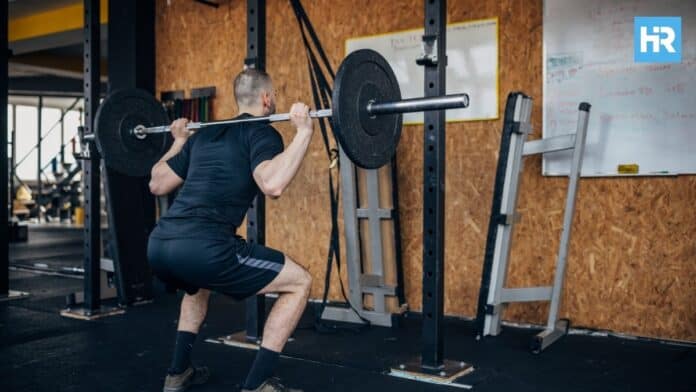
  • Body Weight: The ultimate free tool! Exercises like pushups, lunges, and squats only require you and gravity.
  • Dumbbells: A beginner set can cost around $50. Start light and go heavier as you get stronger.
  • Resistance Bands: These are perfect if you’re short on space or cash. They come in different levels of resistance and can help with everything from bicep curls to glute workouts. They’re also great for travel!
  • Kettlebells: Not a must, but if you want to invest a bit more, a kettlebell can give you some variety and work multiple muscle groups at once.

Pro Tip: You don’t need everything at once. Start small—body weight and maybe some resistance bands—and add to your collection as you progress.

Starting Smart: Weight Training Tips for Beginners

Before you dive headfirst into the world of lifting, there are a few things you need to keep in mind. Here’s your crash course in weight training 101:

Form Over Everything

I know you’re eager to lift heavy weights and see those muscles pop, but trust me, form is everything.

Bad form can lead to injury, and no one wants that. Start with light weights or even no weights at all until you nail the form.

  • Warm-Up: Before lifting, get your blood flowing. Five to ten minutes of light cardio (like brisk walking or jumping rope) will wake up your muscles.
  • Go Slow and Controlled: Don’t rush through your sets. Use slow, controlled movements, especially on the way down (the eccentric part of the lift). This helps build strength and prevents injuries.
  • Breathe: Don’t forget to breathe! Exhale as you lift, inhale as you lower the weight. Holding your breath can make you lightheaded or even cause injury.
  • Rest Between Sets: Give yourself 60 to 90 seconds between sets to recover. This is where you’ll find that balance between pushing your muscles but not overdoing it.

Pick the Right Weight

It’s better to start too light than too heavy. You can always increase the weight as you get stronger.

A good rule of thumb is to start with a weight that you can lift for 10-12 repetitions with proper form, but the last few reps should feel challenging.

  • Start with 2-3 sets of 8-12 reps: This range is perfect for building both strength and endurance.
  • When to increase weight: If you can breeze through 12 reps without breaking a sweat, it’s time to add more weight. But don’t go crazy—just a 2-5 pound increase will do the trick.

Exercises You Should Master

Now for the fun part—actual exercises! The goal is to target all your major muscle groups (so you don’t end up with super-strong arms and weak legs).

Here are some exercises that should be the foundation of your routine.

Core & Upper Body Exercises

  1. Dumbbell Chest Press
    Works: Chest and shoulders
    Lie flat on a bench with a dumbbell in each hand. Slowly press the weights upward until your arms are straight, then lower them back down. This move targets your chest and helps build upper body strength.
  2. Dumbbell Shoulder Press
    Works: Shoulders
    Standing or sitting, hold dumbbells at shoulder height. Press them up until your arms are fully extended, then lower them. This is great for those boulder-like shoulders!
  3. Bicep Curls
    Works: Biceps
    Stand with a dumbbell in each hand, arms at your sides, palms facing forward. Curl the weights up towards your shoulders without moving your elbows, then lower them back down.
  4. Resistance Band Pull Apart
    Works: Back, shoulders
    Hold a resistance band with both hands and arms straight in front of you. Pull the band apart until your arms are extended outward, then slowly bring them back together. Simple but effective for working your upper back.

Lower Body Exercises

  1. Bodyweight Squats
    Works: Legs and glutes
    Stand with feet shoulder-width apart. Lower your body as if sitting back into a chair, keeping your chest up and knees in line with your toes. Push through your heels to stand back up. Squats are amazing for building those strong legs!
  2. Lunges
    Works: Quads, glutes, and hamstrings
    Step forward with one leg and lower your hips until both knees are bent at about 90 degrees. Push back up to standing and repeat on the other side.
  3. Calf Raises
    Works: Calves
    Stand on the edge of a step or ledge, rise onto your toes, and slowly lower your heels below the step. You’ll feel the burn in your lower legs!
  4. Plank
    Works: Core (and basically everything else!)
    Get into a push-up position but lower onto your forearms. Hold your body in a straight line from head to heels. This one’s tough but excellent for your core and overall stability.

Creating Your Own Weight Training Routine

Now that you’ve got the exercises down, let’s put it all together.

A good beginner’s routine should target all major muscle groups and allow for adequate recovery time between workouts.

Beginner’s Weekly Schedule

Here’s an example of a simple weight training routine to get you started. Aim for 3 workouts per week, with at least one rest day between sessions.

Each workout should take about 30-45 minutes.

Day 1: Chest, Shoulders, Triceps, and Core

  • Dumbbell Chest Press: 3 sets of 8-12 reps
  • Dumbbell Shoulder Press: 3 sets of 8-12 reps
  • Tricep Extensions: 3 sets of 10-12 reps
  • Plank: Hold for 30 seconds, 3 times

Day 2: Back, Biceps, and Core

  • Dumbbell Single-Arm Rows: 3 sets of 8-12 reps per side
  • Bicep Curls: 3 sets of 10-12 reps
  • Resistance Band Pull Apart: 3 sets of 15 reps
  • Plank: Hold for 30 seconds, 3 times

Day 3: Legs and Core

  • Squats: 3 sets of 10-12 reps
  • Lunges: 3 sets of 10 reps per leg
  • Calf Raises: 3 sets of 12-15 reps
  • Plank: Hold for 30 seconds, 3 times

As you get more comfortable, start adding weight, reps, or sets to keep challenging your muscles.

Just don’t overdo it—your muscles need time to recover and grow.

Don’t Forget: Rest and Recovery Are Key!

Here’s something that often gets overlooked: recovery. You might think that more workouts equal faster progress, but that’s not necessarily true.

Your muscles actually grow stronger during rest, not when you’re working out.

So, it’s essential to give them time to recover.

  • Rest Days: Don’t work the same muscle group two days in a row. If you’re lifting heavy, take a full day’s rest between workouts.
  • Sleep: Your muscles recover and grow when you sleep, so aim for 7-9 hours of quality sleep per night.
  • Stay Hydrated: Drink plenty of water before, during, and after your workout. This keeps your muscles functioning at their best.

How to Stay Motivated (Even When the Going Gets Tough)

There will be days when you feel like skipping your workout. Maybe you’re sore, tired, or just not in the mood.

That’s normal!

The only key is to push through those moments and stay consistent.

Here are some tips to keep your motivation high:

  • Set Small Goals: Instead of focusing on the big picture, set small, achievable goals. Maybe it’s lifting 5 pounds more next week or sticking to your routine for 30 days. Celebrate those wins!
  • Track Your Progress: Keep a journal of your workouts, noting how much weight you lifted, how many reps you completed, and how you felt. Seeing your progress over time can be incredibly motivating.
  • Find a Workout Buddy: Having someone to lift with can make the process more fun and hold you accountable.
  • Switch It Up: Don’t be afraid to change your routine once in a while. Try a new exercise, increase the weight, or add some cardio for variety.

Final Thoughts: Start Small, Stay Consistent, See Results

Starting weight training might feel like a big step, but remember—everyone was a beginner once.

The most important thing is to start small, focus on form, and build your routine over time.

Before you know it, you’ll be stronger, more confident, and well on your way to achieving your fitness goals.

So grab those weights, or just use your body weight, and get started. You’ve got this!

Donte DiVincenzo Addresses Knicks Rumors and Embraces New Role with Timberwolves After a Heated MSG Return

Donte DiVincenzo Shuts Down Knicks Rumors

Let’s get one thing straight right away—Donte DiVincenzo is not upset about the Knicks acquiring Mikal Bridges.

Despite the rumors that swirled around his time in New York, Donte’s made it clear: he was never bothered by Bridges joining the team, and he definitely wasn’t throwing tantrums behind the scenes.

So, where did all this noise come from?

Let’s break it down.

Key Takeaways
  • Donte DiVincenzo shuts down rumors of being upset about Mikal Bridges joining the Knicks, calling it all “completely untrue.”
  • Now, with the Timberwolves, he’s ready to embrace a flexible role and is unfazed by starting or coming off the bench.
  • DiVincenzo’s return to MSG saw some heated moments, but he maintains that there’s nothing but love for his former team.

“It’s Completely Untrue” – DiVincenzo Puts the Rumors to Rest

Here’s what really went down: last season, DiVincenzo had a breakout year with the Knicks.

He stepped up big time, especially after some injuries forced him into the starting lineup.

He didn’t just fill in—he thrived.

The guy set a franchise record for three-pointers, led the Eastern Conference in treys after December, and was New York’s second-best scorer in the playoffs, right behind Jalen Brunson.

Not too shabby, right?

Then, after the season, the Knicks made a major move.

They gave up five first-round picks to bring Mikal Bridges over from Brooklyn, which also reunited him with his Villanova buddies, DiVincenzo and Josh Hart.

With three former Wildcats in the mix, it seemed like someone was going to lose out on minutes.

Everyone assumed that DiVincenzo would be the odd man out, and soon, the rumors started flying—people said Donte was unhappy and didn’t like that Bridges was coming for his spot.

But DiVincenzo is here to set the record straight: “It was never a thing of, ‘Oh, we got Mikal, I’m pissed off,’” he told The Post.

In fact, he was excited about the team’s potential.

I was super excited because we have a very good player coming back to the team. And you get OG [Anunoby] back, now you’re looking at, ‘Wow we’re going to be really good.’ There was never a conversation of my role was going to be diminished. There was never a conversation that my minutes would be diminished. It was the outside assumption and ran with it and it was untrue.

Not only that, but he said there were no conversations with coach Tom Thibodeau or team president Leon Rose about his role changing after Bridges came aboard.

It was all outside assumptions,” Donte said.

So, yeah—no secret beef, no drama.

Just pure excitement to get on the court and play with another great player.

The Trade to Minnesota: A New Chapter

Fast forward a bit, and DiVincenzo’s time in New York came to an unexpected end.

In a blockbuster deal in late September, the Knicks traded him (along with Julius Randle) to the Minnesota Timberwolves in exchange for Karl-Anthony Towns.

Once again, reports surfaced saying DiVincenzo was unhappy, this time because he wasn’t starting for the Knicks.

But Donte quickly shot down those claims, too.

I don’t know how that kind of picked up speed, but it’s completely untrue,” he said.

Now, as a Timberwolf, he’s got a fresh start, and his mindset hasn’t changed.

He knows his role will vary—some nights he’ll start, other nights he’ll come off the bench—and he’s totally okay with that.

There’s going to be some games I start, and there’s going to be a lot of games I come off the bench,” he said.

I just want to help the team win.

Projected to come off the bench behind Mike Conley, Anthony Edwards, and Jaden McDaniels, DiVincenzo’s versatility is going to be key for Minnesota.

Whether he’s starting or subbing in, he’s ready to contribute and make an impact.

The MSG Drama: Donte’s Fiery Return to the Garden

So, about that return to Madison Square Garden—it was anything but a calm homecoming for DiVincenzo.

In his first game back at MSG since the trade, things got a little heated between him and his former team.

During the Timberwolves’ 115-110 loss to the Knicks, cameras caught DiVincenzo jawing at the Knicks’ bench, saying, “Thank you for the trade, Thibs. That’s what happens when they let you run the show.

Oof.

Talk about some serious trash talk!

After the game, DiVincenzo addressed the viral video.

I’m not there anymore, I play competitive, I wear my heart on my sleeve and that’s all it was,” he said.

It didn’t stop there, though.

After the game, DiVincenzo had a heated exchange with Knicks assistant coach Rick Brunson, and the two had to be separated.

Despite the intensity, Donte insists there’s no bad blood.

There’s absolutely nothing but love from my end to the organization.”

Even with the trash talk and post-game drama, the Knicks played a tribute video for DiVincenzo and Julius Randle, thanking them for their time with the team.

And for DiVincenzo, that meant a lot.

It was special,” he said, appreciating the nod to his contributions during his season in New York.

Julius Randle’s Take on the Feud

Interestingly, Julius Randle, now DiVincenzo’s teammate again in Minnesota, was there to witness all the action.

When asked about the fiery exchange, Randle didn’t seem too fazed.

Donte is a grown man. He was standing his ground,” Randle said.

He’s a competitor at heart.

Randle, who’s just coming off shoulder surgery and getting ready to make his Timberwolves debut, didn’t dive into the personal details but admitted that he respected DiVincenzo’s passion and competitiveness.

What’s Next for Donte?

With all the noise behind him, DiVincenzo is focused on the future.

He’s ready to settle into his role with the Timberwolves and make the most of this new opportunity.

Whether he’s starting or coming off the bench, his goal is clear: to help Minnesota win.

As the 2024-25 season gets underway, all eyes will be on DiVincenzo to see how he continues to evolve.

One thing’s for sure—he’s ready for whatever comes his way, and he’s not letting the rumors or drama slow him down.

At the end of the day, DiVincenzo’s game does the talking, and he’s ready to let his performance on the court do just that.

Haason Reddick Rejects One-Year Contract from Jets Amid Holdout, Sparking Retirement Speculation

The ongoing conflict between star linebacker Haason Reddick and the New York Jets has become a major topic in the NFL.

Reddick, a talented pass rusher, turned down the team’s one-year contract offer, which was designed to help him regain money lost during his holdout.

As the standoff continues, it could have long-term consequences for Reddick and the Jets.

Key Takeaways
  • Haason Reddick rejected a one-year contract offer from the Jets, missing out on millions of dollars.
  • His holdout is costing him considerable money in fines and game checks every week.
  • If he doesn’t report by Week 13, Reddick’s contract may extend into 2025, repeating the current situation.

Why Did Reddick Reject the Jets’ Offer?

Haason Reddick surprised many when he refused to sign a one-year deal with the Jets earlier this season.

NFL Network’s Ian Rapoport explained that the offer included a higher salary, which would have allowed Reddick to recover the money he lost due to his holdout.

But Reddick declined, raising questions about his motives.

By missing games, Reddick is losing about $792,000 per week, and in just five games, he has lost more than $12 million.

On top of that, the fines from his holdout are adding up.

Reddick is likely holding out for a multi-year contract that would secure his future beyond this season, but that has its risks.

Reddick is required to report by Week 13 if he wants to avoid having his contract extended into 2025.

If he doesn’t show up, the Jets will still own his rights next season, keeping him in the same situation he’s in now.

So, as we can see, this adds pressure on Reddick to make a decision soon.

Could Reddick Retire Instead of Playing for the Jets?

Another surprising twist is that Reddick might retire if he doesn’t get the deal he wants.

Rapoport suggested that Reddick could walk away from football entirely rather than accept a contract he doesn’t feel is fair.

For a player with multiple Pro Bowl appearances, this would be a shocking move, at the very least.

Reddick seems focused on getting a longer, more secure contract that would make him one of the top-paid pass rushers in the NFL.

However, the Jets are more interested in a short-term solution. They want Reddick to play out this year’s contract and become a free agent in 2025.

And Jets owner Woody Johnson has made it clear that Reddick is welcome to return whenever he’s ready.

In a recent press conference, Johnson urged Reddick to come back, saying, “Haason, get in your car, drive down (I)-95 and come to the New York Jets, and we can meet you and give you an escort right in the building and you’ll fit right in. You’re going to love it here and you’re going to feel welcome and you’re going to accomplish great things with us.

How Is This Holdout Affecting the Jets?

Reddick’s holdout has also caused problems for the Jets.

With a 2-3 record, the team could use Reddick’s defensive strength on the field.

The Jets’ coaches built the defense around Reddick’s abilities, so without him, the team is struggling to perform at its best.

And the longer Reddick stays away, the harder it is for the Jets to reach their full potential this season.

Additionally, the holdout complicates the possibility of trading Reddick to another team.

If Reddick isn’t willing to sign with the Jets, it’s unlikely he would agree to play for another team under a similar contract.

As the Week 13 deadline approaches, the pressure is on Reddick to decide.

If he doesn’t report by then, his contract will extend into 2025, and the current situation will repeat itself.

Whether he holds out for a multi-year contract, chooses to retire, or comes back to play, his decision will greatly impact his future and the Jets.

72-Year-Old Man Dies in Upper West Side Apartment Fire; 3 Firefighters Injured

A tragic fire broke out in an apartment on the Upper West Side of Manhattan Saturday night, killing a 72-year-old man and injuring three firefighters.

The fire started around 9 p.m. in a five-story West 88th Street building between Amsterdam Avenue and Broadway.

The New York Fire Department (FDNY) was called to the scene around 9:16 p.m. after reports of smoke and fire coming from the fourth floor.

Firefighters worked quickly to put out the flames, but it took about an hour to control them.

Key Takeaways
  • A 72-year-old man died in an apartment fire on the Upper West Side.
  • Three firefighters were hurt while putting out the fire but were treated and released.
  • Investigators are still trying to figure out what caused the fire.

Firefighters Injured While Fighting the Fire

When firefighters arrived, they found the 72-year-old man unconscious and unresponsive inside the apartment.

Sadly, he was pronounced dead after being taken to Mount Sinai Morningside Hospital.

Three firefighters suffered minor injuries while fighting the fire but were treated and released from the hospital.

Investigating the Cause of the Fire

Currently, the cause of the fire is still unknown.

Fire officials are looking into what might have started it and whether any safety issues were involved.

As more information comes to light, authorities will update the public on what caused this terrible event.

While the firefighters’ injuries were minor, the death of the 72-year-old man has left the community in shock, and many residents are now more concerned about fire safety in their neighborhood.

This heartbreaking event is a reminder of how important fire safety is and the need for constant awareness and prevention efforts.

U.S. Stock Market Reaches New Highs as Tech Stocks and Bank Earnings Lead the Way

US Stock Market Today Nvidia

U.S. stocks rose sharply on Monday, with the S&P 500 and Nasdaq reaching new record highs, largely due to Nvidia’s strong performance.

Investors are also preparing for major earnings reports from major banks, which could affect the stock market and give more insight into the economy’s performance.

Key Takeaways
  • Nvidia’s strong performance and gains in other semiconductor companies pushed the S&P 500 and Nasdaq to new all-time highs.
  • As major banks like Goldman Sachs, Citi, and Bank of America report their third-quarter earnings, these results are expected to impact investor confidence and the overall market direction.
  • Mixed economic data has left investors unsure if the Fed will lower interest rates in November, with reports like retail sales expected to shed more light on the economy’s health.

Nvidia Drives Tech Stocks to New Highs

Nvidia, a major player in artificial intelligence (AI), continued its rise on Monday, increasing more than 2%.

The company’s stock is getting close to matching Apple’s market value, which shows how much investors believe in Nvidia’s role in the AI industry.

Since September, Nvidia has added around $780 billion in market value, even surpassing Microsoft as the second-most valuable company globally.

Other chip-making companies, such as ASML, Arm Holdings, and Applied Materials, also saw gains as the excitement around AI technology grew.

It’s evident that investors are interested in tech companies, especially those leading in AI development.

Bank Earnings Take the Spotlight

As the week progresses, attention is turning to earnings reports from major U.S. banks.

Last week, JPMorgan Chase and Wells Fargo reported strong earnings, lifting hopes for the broader market.

Banks like Goldman Sachs, Citi, and Bank of America will release their financial results this week, and investors will watch closely.

Morgan Stanley is also set to report midweek.

These bank earnings are especially important because they help determine if the stock market can keep rising.

So far, about 30 companies in the S&P 500 have released their earnings, and most have done better than expected, beating estimates by about 5%.

This success has helped support the stock market despite concerns about rising interest rates and other economic challenges.

Economic Uncertainty and Fed Rate Cuts

While investors are paying close attention to earnings, they’re also watching the Federal Reserve closely.

Some believe that recent job reports and inflation data mean the Fed won’t cut rates in November.

However, many investors are hopeful that interest rates will come down soon, which could boost the market even more.

Later this week, the data on retail sales will give more clues about the economy’s health.

Many investors remain concerned about the possibility of a “soft landing”—where the economy slows down without falling into a recession.

However, rising inflation could force the Fed to keep interest rates high longer, which might affect the stock market.

Tech Stocks and Dow’s Rise

Clearly, tech stocks are continuing to lead the market.

The Nasdaq rose 0.7%, while the S&P 500 gained 0.7% as well, continuing a strong performance this year—the best in nearly 30 years.

The Dow Jones Industrial Average also rose by more than 100 points, or 0.4%, with tech companies like Microsoft, Apple, and IBM driving those gains.

However, not all companies had a good day.

Boeing saw its shares fall due to concerns about its financial future, and Caterpillar’s stock dropped by 2% after a downgrade from Morgan Stanley.

Global Markets and Oil Prices

Meanwhile, oil prices dropped on Monday after China’s finance minister shared limited details about the country’s economic stimulus plans.

As you can imagine, this left investors uncertain, causing Brent crude and WTI oil prices to fall by more than $1.70 per barrel.

European stocks remained mostly unchanged in other global markets, with slight declines in the UK’s FTSE 100 and Germany’s Stoxx 600 index.

Also, Japan’s markets were closed for a holiday, while China’s stock market saw some gains following news of the country’s economic plans.

What’s Next?

As the S&P 500 reaches new highs, investors are looking ahead to more earnings reports from companies like Bank of America, Goldman Sachs, and Johnson & Johnson.

Other major reports, including retail sales and housing data, will also help investors understand the economy’s performance.

Although the market is on a strong upward trend, there are still concerns about inflation and rising interest rates.

The stock market has gained nearly 23% this year, marking one of its best performances since 1997.

With the bond market closed for Columbus Day, all eyes are on stocks as investors prepare for potential changes in the market.

Latest Update on Leroy Truth Investigations: Legal Battle, Court Rulings, and Political Tensions

Latest-Update-On-Leroy-Truth-Investigations_FI

YouTuber Leroy Truth, whose real name is Leonard Filipowski, is in the middle of a heated legal fight with Union City Mayor Brian Stack.

Filipowski, who calls himself a “First Amendment auditor,” filed a lawsuit claiming he was wrongfully arrested and violated his civil rights.

Since his arrest at a city meeting in July 2024, this case has gained attention due to the political tensions it has brought to light.

Here’s a full breakdown of the latest updates, court decisions, and the upcoming deadlines in this complex case.

Key Takeaways
  • YouTuber Leroy Truth (Leonard Filipowski) is suing Union City for wrongful arrest and claims his rights were violated after a run-in with Mayor Brian Stack.
  • The court denied his request for temporary restrictions but will review criminal complaints against him and has delayed the decision on legal fees.
  • The legal fight is linked to bigger political tensions between Union City and North Bergen, with important court dates set for 2025.

Court Rulings Deny Restraints but Allow Legal Fee Review

In a key ruling on August 16, 2024, Hudson County Superior Court Assignment Judge Jeffrey Jablonski decided not to grant Filipowski’s request for temporary restraints.

Filipowski had asked the court to temporarily stop Union City from acting against him while the case was ongoing, but the judge denied this request.

However, the judge allowed something important: a review of the criminal complaints against Filipowski.

Thus, the top judge of the Hudson County Municipal Courts will review the complaints and decide whether further action is warranted.

And this review will allow Filipowski to challenge the legal accusations against him.

Another part of the decision initially awarded Filipowski legal fees, meaning Union City would have to cover his court costs.

But on August 23, Judge Jablonski corrected an earlier mistake, saying that Filipowski wouldn’t get those fees yet.

Instead, the decision on whether he gets legal fees will be made later, after the main parts of the case are resolved.

This change came after Union City’s lawyer, Mauro Tucci, pointed out that the fees were not discussed during the original court hearing.

Court Deadlines and Upcoming Hearings Set for Early 2025

While the case progresses, the court has set several dates for both sides to gather evidence and prepare for the trial.

The case will proceed according to the following schedule:

  • November 1, 2024: Both sides must finish gathering written information and documents.
  • December 10, 2024: Depositions (where witnesses give sworn statements) must be completed.
  • January 21, 2025: A full hearing is set to decide on the remaining legal issues.

Crucially, both sides will present their full arguments and evidence at this hearing.

Such deadlines are crucial to the legal process, ultimately leading to the final decision.

Of particular importance is the January 2025 hearing, which will cover the main legal and factual disputes in the case.

Political Tensions Fueling the Legal Battle

This legal fight isn’t only about Filipowski’s claims of wrongful arrest—it’s also tied to a much larger political battle in North Hudson, a region of New Jersey that includes Union City and North Bergen.

Mayor Brian Stack of Union City and Mayor Nick Sacco of North Bergen are long-time political rivals.

And Filipowski’s involvement in Union City has made this rivalry even more intense.

Stack has suggested that Sacco is behind Filipowski’s sudden interest in Union City.

He believes Filipowski’s actions are part of a coordinated effort to attack his administration.

Stack even claimed that he and his team have received death threats during this period of what he calls harassment.

Though Sacco and Filipowski deny any connection, the political tension between the two mayors is hard to ignore.

Stack’s legal team also argued in court that Filipowski’s actions were disruptive and dangerous, accusing him of running a campaign of online harassment against city officials.

Stack’s lawyers claim Filipowski is connected to Sacco’s allies, which makes this a reflection of the ongoing power struggle between the two political factions.

Political Struggles Impacting the Court Case

The political rivalry between Stack and Sacco is affecting this case in more ways than one.

As the two mayors continue their battle for political influence in North Hudson, Filipowski’s case is becoming part of the larger story.

This conflict is especially important in the upcoming 2025 elections, as Stack and Sacco are backing different candidates in key races.

For instance, Mayor Stack supports U.S. Representative Josh Gottheimer, while Sacco is backing Jersey City Mayor Steven Fulop, who is eyeing the governor’s seat.

This has intensified the political competition between the two, with Filipowski caught in the middle of it all.

The legal case may even impact the political scene in the 2025 Democratic primary, where candidates aligned with Stack and Sacco will face off in important local elections.

So, the outcome of Filipowski’s lawsuit could sway public opinion and influence these political battles.

Mitchell Robinson Injury Update: Knicks Center Aims for December or January Return

Mitchell Robinson’s been having a rough go with injuries lately, and Knicks fans are definitely feeling his absence on the court.

After multiple surgeries and being out for most of last season, everyone’s wondering when he’ll return.

Well, good news: he’s aiming for a December or January return.

But how’s the team holding up without him, and what’s the plan when he comes back?

Let’s find out.

Key Takeaways
  • Mitchell Robinson plans to return in December or January after recovering from two ankle surgeries last year.
  • The Knicks traded for Karl-Anthony Towns to cover Robinson’s absence, alongside Jericho Sims and Precious Achiuwa filling in at center.
  • The Knicks want Robinson to fully recover before he returns, and they have no set date for his return.

Mitchell Robinson’s Expected Return

New York Knicks center Mitchell Robinson has had a tough time with ankle injuries over the last year.

He had two surgeries on his left ankle—one in December 2023 and another in May 2024.

Now, he’s aiming to get back on the court between December and January.

But as you can expect, the team is being very careful with his recovery and wants him to be fully healthy before he plays again.

During the 2023-24 season, Robinson only played in 31 games because of his injuries.

Consequently, his absence affected the Knicks, especially in the playoffs.

He got re-injured in the first-round series against the Philadelphia 76ers. As a result, he missed the final six games of the second-round series against the Indiana Pacers.

With Robinson sidelined, his defensive presence was missed, and the Knicks struggled to maintain consistency at the center position.

How the Knicks Are Handling Robinson’s Absence

With Robinson’s recovery taking longer, the Knicks made some changes to strengthen the center position.

The most significant move was trading for Karl-Anthony Towns from the Minnesota Timberwolves.

Towns, a four-time All-Star, will handle most of the center minutes while Jericho Sims and Precious Achiuwa provide additional support.

The need for this trade became clear after Isaiah Hartenstein, who played as Robinson’s backup and started 49 games in his place, left the Knicks.

During the offseason, Hartenstein signed a three-year, $87 million contract with the Oklahoma City Thunder.

And losing Hartenstein left the Knicks short on options at the center spot, so adding Towns was a major move to fill that gap.

In addition to Towns, Jericho Sims and Precious Achiuwa will provide extra support and depth at the center position.

With the Knicks’ preseason underway, having started with a game against the Charlotte Hornets, their regular season will begin on October 22 against the Boston Celtics.

And without Robinson, the focus will be on integrating Towns into the team and building chemistry while awaiting Robinson’s return.

Robinson’s Role When He Returns

When Robinson is ready to return, the Knicks plan to bring him back slowly by starting him off the bench.

Head Coach Tom Thibodeau emphasized that they’re in no rush, saying, “We want to make sure he’s completely healthy before we move forward… We’re going to be patient.

The Knicks clearly value Robinson, their longest-tenured player, who is known for his strong defense and shot-blocking.

They recognize that even though Towns will start, Robinson will still be an important player once he’s healthy enough to play again.

The Seven Candidates Running for the Secaucus School Board: Their Backgrounds, Goals, and Plans for Our Schools

This year, seven passionate people are running for three open seats on the Secaucus School Board.

Each one has ideas and plans to help shape the future of our schools and improve the lives of students, teachers, and families.

They all have different views on how to solve some of the district’s challenges, like finding strong leadership, supporting special education, keeping great teachers, and planning for future growth.

With so many different voices, Secaucus residents need to know what each candidate stands for before voting.

That’s why we’ve put together this guide, giving you a closer look at each candidate’s background, experience, and thoughts on the important issues that matter to our community.

With Election Day approaching, please take a moment to get to know the people who want to make a difference in our schools!

Key Takeaways
  • Seven candidates compete for three spots on the Secaucus School Board, each offering different backgrounds and ideas to improve the district.
  • The election is set for November 5, with early voting available from October 26 to November 3 at the Secaucus Rec Center for those who want to vote ahead of time.
  • Candidates focus on important issues like redistricting, improving special education, keeping skilled staff, and planning for the district’s future growth and success.

1. Melissa Howard: “Advocate for Education”

Melissa Howard, 39, is a current member of the Secaucus School Board and is running for another term.

She has lived in Secaucus since she was nine and has a fourth-grade child at Clarendon School.

Melissa has a strong background in managing public finances and is the treasurer for Bergen County.

She believes steady leadership is essential, especially when choosing a superintendent who will focus on the district’s future success.

One of her main concerns is keeping skilled teachers, as nearby districts with higher pay can attract them away.

Her goal is to strike the right balance in the budget, ensuring the district gets what it needs without putting extra pressure on taxpayers.

And she supports the idea of redistricting but thinks it should be done slowly and thoughtfully.

She believes this could create better learning opportunities, like offering advanced programs such as STEM in both elementary schools.

At the same time, she wants to make sure the needs of special-needs students are met and that families understand any changes.

Melissa sees the district’s main challenges over the next 2-5 years as managing the budget, keeping qualified teachers, and finding the right balance between technology and traditional teaching.

She believes in using digital and printed materials to support different learning needs.

2. Tatiana Geller: “Excellence in Education”

Tatiana Geller has lived in Secaucus for 24 years.

She has experience in speech and language therapy and works in Jersey City Public Schools.

Her kids went to Secaucus public schools, so she understands what students, parents, and teachers need.

Tatiana’s main goals are to improve special education, ensure the implementation of Individualized Education Programs (IEPs), and provide more support to teachers.

She also wants to expand academic programs, including adding a Humanities Academy at the high school and the existing STEM Academy.

Although this is her first time running for public office, she is committed to looking at data and getting feedback before making big decisions, like changing school district boundaries.

She is open to redistricting but wants to carefully review data and hear from the community before making any choices.

Tatiana wants to consider all possible effects on students and staff, like costs and class sizes.

She believes it’s important to hire a forward-thinking superintendent and improve communication between the board and parents.

She also thinks the district needs more staff and space to handle the growing number of students, including those from new housing developments and the rise in ESL (English as a Second Language) students.

3. Valerie Giraldo: “Community Winning Resolutions”

Valerie Giraldo has lived in Secaucus since 2002.

She has almost 20 years of experience working in compliance for investment banks and is now a senior compliance officer.

Her kids went to Secaucus schools, so she understands the district’s needs.

Valerie wants the board to use data when making decisions, especially for hiring a superintendent and considering big changes like adjusting school boundaries.

She believes that more stakeholders, including teachers and principals, should be involved in decision-making.

Valerie is against the redistricting plan suggested earlier this year because she doesn’t think there is enough evidence that it would help.

While she is open to redistricting in the future, she believes it should be based on detailed data and community feedback.

She also thinks the district needs more space and staff to handle the growing number of students.

Valerie is concerned about the need for a Pre-K program and how well the district can support the rising number of ESL (English as a Second Language) students.

4. Audry Yule: “Community Winning Resolutions”

Audry Yule has been a part of the Secaucus community since 2014.

She holds an M.B.A. and has experience in marketing and business development.

She has also volunteered in local youth sports and parent-teacher groups.

Audry is dedicated to improving communication between the school board and parents, believing that open and clear communication is key to building trust and making sure families feel heard.

She wants to find a strong leader for the superintendent role and address the needs of special education students.

Audry thinks redistricting could help, but only if the district first deals with concerns like traffic, busing, and costs.

She believes detailed reports on these issues are necessary before making any decisions.

Audry sees the lack of a permanent superintendent as the biggest issue right now.

She is also concerned about the impact of new developments on the district and advocates for improved ESL support.

5. Jamie Fisher: “The People’s Voice”

Jamie Fisher, 43, is a registered nurse who has lived in Secaucus for most of her life.

She has worked as a school nurse and in emergency rooms. Jamie has two children who went to Secaucus schools and is expecting her third.

She wants to bring back core learning values, with less focus on technology in classrooms and more on traditional methods like reading physical books.

Jamie also believes in providing more support for teachers and special education staff to ensure all students get the help they need.

She thinks redistricting should be carefully planned and include lots of input from parents and the community.

While she’s not against the idea, she feels that the current plan doesn’t have enough information or community involvement.

Jamie sees the town’s growing population as the biggest challenge, which could lead to overcrowded schools and limited resources.

She believes the district needs to plan ahead for more students and focus on managing resources effectively to meet future needs.

6. Gerald Lyons: “Excellence in Education”

Gerald Lyons, 65, has been a teacher for 38 years and has served on the Jersey City Board of Education.

He recently moved to Secaucus and wants to use his experience in school administration to help the local school board.

Gerald believes it’s essential to be open and listen to the community when making decisions.

He supports holding regular meetings to hear from parents before making big changes.

Gerald also wants to expand student opportunities by offering more dual-enrollment college courses.

While he’s open to redistricting, he thinks it should be based on thorough research and include input from the community.

He believes any decision should be based on data, logistics, and the best interests of students, especially those in special education.

Gerald sees special education, managing space, and keeping good staff as major priorities.

He also thinks it’s important for the district to actively apply for grants to support growth and improvements.

For the first time in 15 years as mayor, Mike Gonnelli has endorsed Gerald, Tatiana Geller, and Melissa Howard for the school board.

7. Monica Berckes: “A Winning District”

Monica Berckes has lived in Secaucus for over 25 years.

She worked as a senior director at a marketing agency, where she developed strong skills in project planning and management.

She has two children in the district and cares deeply about the community.

Monica wants the school board to be forward-thinking, balancing immediate needs with long-term goals.

She stresses the importance of stable leadership and setting yearly goals that align with the district’s vision.

Monica is especially concerned about the constant turnover of superintendents and thinks that stable leadership is essential for the district’s success.

She does not support the redistricting plan that was proposed last year, feeling it was rushed and lacked clear benefits for the community.

However, she’s open to future redistricting efforts if they are well-researched and have strong community support.

Monica worries about the district’s ranking and how it might affect property values in Secaucus.

She believes that staff retention and long-term planning need to be addressed to benefit students and homeowners.

Monica is committed to helping create a district that families can be proud of.

Upcoming Events and How You Can Vote

You can catch the candidates at a forum on October 24 at the high school Performing Arts Center (PAC).

Don Evanson, who publishes the Secaucus Spectator, will lead the event, which will be recorded in case you can’t attend in person.

And Election Day is on November 5.

If you prefer to vote early, you can do so in person from October 26 to November 3 at the Secaucus Recreation Center.

The voting hours are 10:00 a.m. to 8:00 p.m. on weekdays and Saturdays and 10:00 a.m. to 6:00 p.m. on Sundays.

No appointments are needed, and you can also vote by mail if that’s more convenient for you.

Make an Informed Choice for Secaucus Schools

Secaucus voters have some critical choices this year, and many passionate and qualified candidates are running.

As we discussed today, each candidate has a different plan for the school district’s future, whether it’s improving communication, expanding special education, or building long-term stability.

We hope this guide provides you with the information you need to choose the candidates who best match your vision for our schools.

Be sure to cast your vote and make your voice heard in shaping the future of education in Secaucus!

How to Perfect Your Running Form: The Complete Guide to Running Faster, Longer, and Injury-Free

So, you’ve decided to take up running—an awesome choice!

At first, there’s a lot to think about, like finding the right pair of shoes, mapping out your favorite running routes, and, of course, curating that perfect playlist to keep you pumped up and moving.

But with all the excitement, it’s easy to overlook something pretty important—your running form. But don’t sweat it!

In this guide, we’ll explain everything you need to know about nailing your form to run smoother, faster, and—best of all—without the pesky post-run aches.

Key Takeaways
  • With the right posture and movement, you use your energy better, helping you run longer and faster without feeling as exhausted.
  • When you run with good alignment, you put less strain on your joints and muscles, lowering the chances of common issues like knee pain or shin splints.
  • Even simple tweaks like relaxing your shoulders, adjusting your stride, or focusing on where you place your feet can greatly improve your running experience.

Why Should You Care About Your Running Form?

You might be thinking, “I’ve been running for a while, so why change things up?”

But checking your form can make a big difference no matter how long you’ve been at it.

Even small changes can totally change how you feel during and after a run. Picture yourself gliding along instead of feeling like your legs are heavy and tired.

So, what is good running form? Well, it’s about making sure your posture, alignment, and movement all work together to keep you comfortable, efficient, and free from injury.

Good form means using your energy better, so you’ll feel less tired, avoid injuries, and run longer without extra effort.

Think of it as a simple trick that makes running smoother, more enjoyable, and yes, even a little bit fun!

The Lowdown on Proper Running Form

Proper running form isn’t some mystery formula reserved for elite runners.

It’s essentially about focusing on a few parts of your body and how they work together.

So, let’s break it down.

1. Head and Neck: Eyes on the Prize

Keep your head in a neutral position, like you’re balancing a book on top of it.

Look straight ahead, focusing about 10-20 feet in front of you.

If you do this, it helps keep your spine aligned and prevents your neck from cramping up.

Plus, it stops you from staring at your feet, which—let’s face it—can get boring fast.

2. Upper Body and Posture: Stay Upright, Lean Slightly Forward

When you’re running, try to maintain an upright posture with a slight forward lean—from your ankles, not your waist.

Think of it like you’re a puppet with a string pulling you up by the top of your head.

Engage your core to stay balanced, which helps you stay stable when you start picking up speed.

A solid posture helps distribute the impact of each step, reducing stress on your body.

3. Arms and Hands: Don’t Be a T-Rex

Now, let’s talk about arms.

You should keep them bent at about 90 degrees and swing them forward and backward—not across your body like you’re trying to swat flies.

Basically, this helps you maintain balance without wasting energy.

Keep your hands relaxed; imagine you’re lightly holding a potato chip you don’t want to crush.

If you clench your fists, the tension will creep up your arms to your shoulders, and trust me; nobody wants tight shoulders at mile three.

4. Foot Strikes: It’s All About the Landing

Aim for a mid-foot strike, where your foot lands beneath your body rather than out in front.

This helps you use your body’s natural shock absorbers—legs and feet—more efficiently.

Landing on your toes is like constantly driving with your foot on the gas: you’ll tire out fast. And heel striking can feel like slamming on the brakes with every step, which isn’t great for your knees.

The best bet is to find that sweet spot in the middle, and you’ll glide along smoothly.

5. Cadence: Find Your Rhythm

Cadence is a fancy term for how many steps you take per minute. Ideally, you want to aim for around 170-180 steps per minute.

A shorter stride with a quicker turnover can help you avoid overstriding, which is when you reach your foot too far in front and land heavily on your heels.

If your cadence is too low, you’ll probably spend too much time in the air and land hard, which can lead to injuries.

So, think quick, light steps like you’re running on hot coals!

Mistakes You Don’t Want to Make (And How to Fix Them)

We all start somewhere, and making some rookie mistakes is normal.

But knowing what to avoid can save you a lot of headaches (and sore muscles).

Thus, we’re going to talk about some common form mistakes and how to fix them.

Mistake #1: Running Like You’re in a Hurry to Get It Over With

Have you ever tried to sprint through your first few runs, only to feel like your legs are about to give out by the end?

As you’ll know, if you’ve tried this before, rushing long distances or at an intense speed can lead to overuse injuries.

Without a doubt, new runners should begin running with moderate goals and build up slowly. Your muscles and joints will thank you!

Mistake #2: Playing the Comparison Game

It’s tempting to watch seasoned runners and try to copy their style. But what works for them might not work for you.

If you have a different body type or experience level, don’t force yourself into their mold. Instead, focus on what feels right for your body.

As your speed increases, your form will naturally adjust. Trust the process.

Mistake #3: Forgetting Strength Training

Running is awesome, but if you skip strength training, you’re leaving out something important.

Strong legs, core, and even your upper body help keep your running form solid.

Doing squats, lunges, and planks a few times a week can make a big difference.

Of course, building up your leg strength will boost your stride and improve your form overall.

Mistake #4: Running Tense

Relax, you’re not on the battlefield! Holding too much tension in your body makes everything feel harder than it needs to be.

It’s a balancing act: you want to maintain a little tension for stability, but not so much that you’re clenching your jaw and hunching your shoulders.

So, focus on deep, rhythmic breathing to stay relaxed as you run.

Mistake #5: Arm Flailing and Shoulder Shrugging

Letting your arms cross your chest or tensing your shoulders like a bodybuilder can mess with your balance.

Instead, keep your shoulders relaxed and your arms swinging back and forth, with a 90-degree bend at the elbow.

This helps you stay balanced and maintain good posture, especially when you start getting tired.

Running Form Adjustments for Different Speeds

Running isn’t a one-size-fits-all activity. How you run can change depending on your speed and distance.

So, here’s how to adjust your form when you’re jogging, running, or sprinting:

Jogging: Easy Does It

Proper jogging form focuses on keeping things relaxed. The best way to think of it is the recovery mode of running.

When jogging, keep your posture upright and engage your core slightly. You don’t need to lean forward too much.

Keep your arms and legs relaxed, and focus on landing softly on your midfoot. This will help you avoid overstriding and keep your pace comfortable.

Running: Steady and Strong

Your form should be more refined when you’re running at a moderate pace.

You should focus on rhythmic breathing and keeping your cadence up. Your arm swing might be more pronounced, but make sure it’s still controlled.

You’re not trying to take off; you’re just keeping that smooth, steady momentum going.

Aim for a cadence of 170-190 steps per minute, which helps you stay efficient and light on your feet.

Sprinting: Go All Out

When it’s time to sprint, you’re leaning in (literally) to push yourself to the max. So, you’ll want a slight forward lean from your ankles and a quick, powerful arm swing.

Your legs should drive forward like you’re trying to kick down a door.

Aim for a forefoot strike to maximize your push-off power and keep those steps quick and snappy.

Sure, sprinting is about speed, but form matters just as much, so keep your core tight and focus on explosive movements.

Drills and Exercises to Improve Your Form

Good running form doesn’t always come naturally—it takes practice. Here are some drills and exercises that can help you improve your form:

1. Core Strength Drills

A strong core is like the foundation of a sturdy house. It keeps you stable, improves your posture, and ensures your legs don’t have to do all the work.

Try doing planks, bridges, and Russian twists a few times weekly.

These exercises will help you maintain a steady, upright posture and prevent slouching when you get tired.

2. Foot Strike Practice

Try jumping rope or doing toe and heel walks to become more aware of your foot strike.

It’ll help you get used to landing on the midfoot or forefoot, which is more efficient and less injury-prone than landing on your heels.

Another trick is to run at a faster cadence for short bursts, which naturally helps you avoid heel striking.

3. Breathing Techniques

Proper breathing can greatly affect how long you can keep going.

Try breathing in through your nose and out through your mouth to help stay calm and control your rhythm. Make sure your belly, not your chest, expands as you breathe.

This ensures you breathe from your diaphragm and get the most oxygen with every breath.

Advanced Tips: The Pro Secrets to Top-Notch Running Form

Here are some advanced tips and insights for getting even more out of your running form.

1. Gait Analysis: See What’s Really Going On

A gait analysis might be worth it if you’re still struggling with pain or just want to fine-tune your form.

This involves having a physical therapist watch you run and analyze your movement. It helps identify uneven foot strikes, hip drops, or other issues that could lead to injuries.

On top of that, a pro can give you personalized feedback to make those last tweaks to your stride.

2. Adjustments for Different Terrain

Running on a treadmill is different from running on a trail or pavement. When you’re on a treadmill, you don’t have to deal with changes in terrain, so you can focus on form.

But if you’re running on a trail, you might need to adjust for rocks, roots, and hills.

So, you should keep your gaze forward to spot obstacles and stay light on your feet to react quickly.

3. Training with Cadence Apps or Music

Try using a metronome app or running to music with specific beats per minute (BPM) to improve your cadence.

Songs in the 170-180 BPM range are perfect for hitting that ideal cadence.

You can also use a sports watch that tracks your cadence and helps you make gradual adjustments.

Avoiding Injuries with Proper Form

Nobody likes being sidelined, so let’s talk about injury prevention.

Good form is your best defense against common running injuries, but there are a few other things to keep in mind:

1. Start with a Good Warm-Up

A dynamic warm-up gets your blood flowing and preps your muscles for the miles ahead. Think leg swings, lunges, and high knees.

These movements loosen up your muscles and improve your range of motion, so you won’t start your run cold.

2. Stretch It Out

After your run, don’t just plop on the couch. Take a few minutes to stretch out the muscles you just worked so hard, and focus on your hamstrings, quads, calves, and hip flexors.

Stretching helps prevent tightness and keeps your muscles limber for your next run.

3. Listen to Your Body

Pain is your body’s way of saying, “Hey, something’s not right here!” Don’t ignore those little twinges in your knees or that tightness in your back.

If something hurts, take a break and address it. Ignoring pain can lead to bigger problems down the road.

Run Smarter, Not Just Harder

Improving your running form might take some time, but the benefits are worth the effort.

A smoother, more efficient stride can help you run faster, go further, and enjoy every mile more than ever before.

It’s not just about getting through a run—it’s about making each step feel better and better.

Remember that good form is your best friend if you’re gearing up for your first 5K, aiming for a personal best in your next race, or just trying to stay active.

So next time you lace up, take a minute to check in with your body. Stand tall, swing those arms, and keep those feet light.

Happy running!

U.S. Port Strike Ends: Recovery Timeline for NY and NJ Ports After Strike-Caused Backlog

The three-day strike that shut down U.S. East and Gulf Coast ports has ended.

Both sides made their moves, and in the end, they came to a deal that got things back on track before too much damage was done.

Let’s take a closer look at what happened during the strike, the agreement reached, and what to expect next.

Key Takeaways
  • The U.S. East and Gulf Coast port strike wrapped up in just three days, avoiding major disruptions.
  • Workers secured a pay increase that will raise wages by 62% over six years.
  • It could take up to two weeks for ports to clear the backlog and resume normal operations.

The Deal: What Was Agreed and Why It Matters

The main issue between the International Longshoremen’s Association (ILA) and the United States Maritime Alliance (USMX) was how much workers should be paid.

The USMX initially offered a $3-per-hour raise, but the union pushed for $4.

When no agreement was reached, the strike began on Tuesday, the first since 1977.

After three days, the USMX agreed to the $4 raise, which immediately increased wages from $39 to $43 an hour.

The deal also includes a $4-per-hour raise every year for six years, increasing 62% by the end of the contract.

The workers, who weren’t getting paid during the strike and didn’t have strike benefits, were ready to return to work as soon as possible.

So, they quickly accepted the deal.

However, they still need to finalize some parts of the contract before it becomes official.

Getting Back to Normal: Clearing the Backlog at the Ports

Even though the strike didn’t last long, it will take some time to get things back on track at the ports.

Before the strike started, experts said that for every day a port is closed, it could take three to five days to catch up.

Since the strike lasted three days, it could take up to two weeks for ports like New York and New Jersey to fully recover.

As of Friday morning, 24 ships, including 19 carrying 35,000 containers, were waiting offshore to unload at the Ports of New York and New Jersey.

The unloading process started again on Friday evening, but the gates for trucks to pick up goods didn’t reopen until Saturday.

And other ports along the coast are adding extra hours, including weekend shifts, to help move the backlog of goods faster.

Despite these delays, Beth Rooney, who manages the Port Authority of New York and New Jersey, believes the ports will catch up soon, just like they did after major events like Hurricane Sandy.

We were able to recover quickly after longer closures in the past,” Rooney said, adding that all parts of the supply chain—trucks, rail, and warehouses—need to work together to speed up the process.

The Economy Dodged a Bullet, But What About the Future?

As you might expect, the short strike caused some financial losses, with the Port of New York and New Jersey losing about $250 to $300 million per day.

However, because the strike ended quickly, it had little effect on the overall U.S. economy.

Many companies had planned ahead, shipping extra goods earlier in the year to avoid potential problems.

Because of this, most holiday-season items were already in the U.S., avoiding any shortages.

J.P. Morgan had estimated that a longer strike could cost the economy up to $5 billion, but the short duration kept things under control.

Freight rates, which could have increased if the strike continued, are expected to remain steady.

Kevin Lyons, a supply chain expert, mentioned that any shortages, such as those seen with bottled water or paper products, will be quickly restocked.

Nonetheless, there is still some uncertainty.

The full contract still needs to be approved by the union’s members, which means another strike could happen if they disagree with the terms.

Similarly, a situation recently occurred with the International Association of Machinists, where workers rejected a deal despite support from their leaders.

Latest News

New Jersey Bomb Cyclone Travel Ban and Snowfall

New Jersey Bomb Cyclone 2026: Travel Bans, Transit Shutdowns, and Record...

The February 2026 blizzard in New Jersey was officially classified as a “bomb cyclone.” The designation applies when a storm undergoes bombogenesis — a...
Vetoed Bird-Safe Ordinance 26-008 Back in Debate

Jersey City Council Reopens Fight Over Bird-Safe Building Costs

Ordinance 26-008, which regulates bird-safe materials for buildings, has been reintroduced to the Jersey City Council agenda. The measure is identical to the version...
Rob Menendez Slams Trump Over Hudson Tunnel Funding Freeze

Rob Menendez Urges End to Hudson Tunnel Funding Dispute After Court...

In Hoboken, after a press conference concerning an unrelated federal funding allocation, U.S. Rep. Rob Menendez (D-8) discussed the restoration of approximately $205 million...
Hudson County NAMI Caregiver Support Programs

Hudson County Caregivers Get February Mental Health Support

Hudson County residents caring for youth with mental health symptoms can participate in a six-session NAMI Basics course offered this February through NAMI Hudson...
Portal Bridge Cutover Reduces NJ Transit Service

Portal Bridge Cutover Slashes 53% of NJ Transit Service

Beginning Feb. 15, Amtrak will start a month-long “cutover” project to transfer train traffic from the existing Portal Bridge to the new Portal North...