Home Blog Page 61

Union City’s Renovation Program, ‘Change Starts Here,’ Brings Hope and Action

Union City, Georgia, is making a big push to clean up its neighborhoods, starting with a program called Change Starts Here.

Imagine living in a neighborhood where empty, rundown houses are replaced with new, welcoming spaces.

Many Union City residents have been waiting for this shift, and Mayor Vince Williams is leading this exciting project.

With Change Starts Here, Union City is making the city safer, more attractive, and a better place to live and work.

Through this effort, the mayor and his team hope to raise property values, cut down on crime, and invite more business opportunities.

Let’s explore how this program works, what’s happening now, and what it means for everyone in Union City.

Key Takeaways
  • Union City’s program focuses on clearing rundown properties to make neighborhoods safer and improve property values.
  • The program encourages residents and businesses to get involved, aiming for a cleaner and stronger community.
  • By addressing its blighted properties, the city sets an example, inspiring confidence in the future of Union City.

Starting with Demolition 

Union City’s Change Starts Here program officially began when a demolition crew tore down an old, vacant house on Roosevelt Highway.

Residents cheered as they watched the building come down, knowing it symbolized a fresh start.

Rundown properties like this have made neighborhoods feel neglected and unsafe for years.

And this new program is about turning that around and bringing life back to these areas.

Mayor Williams shared his vision for the program: “This is our number one goal—to reclaim and transform this area.

The city can create inviting and safe spaces by clearing out old, blighted properties.

When neighborhoods are free from rundown buildings, they become more welcoming to families and businesses, and property values can rise.

Longtime resident Marilyn McCain, who has called Union City home for over 40 years, was there to see the demolition.

She was happy about the program, saying, “I am excited that our city is moving forward with getting rid of the blight that has held us back.”

For Marilyn and many others, seeing the city take action is a sign of positive change.

City and Community Working Together

The Change Starts Here program is a call for everyone to get involved.

Mayor Williams and his team understand that real change happens when the community works together.

They’re encouraging residents and businesses to play a part in cleaning up and maintaining their properties.

The mayor explained how rundown properties can impact everyone.

When you think about your property value or your property values, blight can bring down your neighbor’s property because your neighbor is not taking care of their property,” he said.

Through the program, the city aims to work closely with property owners to keep areas clean and safe, making a difference everyone can feel.

Marilyn McCain shares this hope, saying that when people feel proud and safe in their neighborhoods, they are more likely to take care of their surroundings.

The city wants this program to be a fresh start for Union City, where people take pride in their neighborhoods, work together, and see positive changes unfold.

City Takes the Lead, Setting an Example for Everyone

One of the biggest moves in the Change Starts Here program is the city’s choice to first address its blighted properties.

By doing this, Union City is showing that it’s committed to leading by example.

The house demolished on Roosevelt Highway was actually city-owned, proving that they’re serious about this cleanup.

When the city cleans up its properties, it sends a clear message: it is not only asking residents to do their part but also doing it.

Marilyn McCain appreciated seeing the city take charge, saying, “It’s good to see the city take charge and lead the way, and then the residents feel a lot more confident in the journey that we’re on,

By taking responsibility for its own properties, the city is building trust with the community and inspiring others to do the same.

A Safer, Stronger Future for Union City

The ultimate goal of Change Starts Here is to make Union City a place where people feel safe, proud, and connected.

With cleaner streets and fewer blighted buildings, the program hopes to reduce crime, attract new businesses, and increase property values.

Marilyn McCain believes these improvements will bring new energy and pride to the city, making it a place where everyone wants to live, work, and play.

Though the plans for the newly cleared lot on Roosevelt Highway are still a mystery, Mayor Williams promises that the transformation will be something residents will love.

The program’s approach to turning rundown areas into inviting spaces has people in Union City excited about what’s to come.

Increase safety, invite people to come here to live, work, and play,” McCain said.

The vision is a Union City where every neighborhood feels like home and residents are proud of their homes.

With Change Starts Here, Union City proves that dedication and teamwork make change possible.

As Union City transforms neglected spaces into opportunities for growth, it sets a hopeful tone for the future.

The Evolution of Yoga: From Ancient Spirituality to Modern Wellness

Let’s get one thing straight: yoga is much more than mastering the impressive poses you see on Instagram.

The word “yoga” comes from the Sanskrit word “yuj,” which means “to join” or “to unite”. In fact, yoga symbolizes the connection of body, mind, and soul.

Yoga brings you back to that perfect balance, a state of self-discovery where you feel one with the world.

From the ancient mystics of India to the global wellness studios of today, the main goals of Yoga are to find inner peace, gain strength, and bring clarity to our often chaotic lives.

So, why did ancient mystics choose yoga, and how did it become popular across continents?

Well, grab a comfy seat, maybe even do a little stretching, and let’s explore yoga’s journey from sacred roots to modern phenomenon.

Key Takeaways
  • Yoga started over 5,000 years ago as a way to connect body, mind, and spirit in India and has since spread worldwide.
  • Over centuries, yoga has evolved into different styles, such as Hatha, Raja, and Ashtanga, each offering unique ways to grow and find peace.
  • Today, yoga is a popular way for people of all ages and backgrounds to stay healthy, calm, and strong.

The Origins of Yoga: Ancient Mystics and the Birth of an Art

Interestingly, yoga has roots that go way back; we talked about it thousands of years ago.

It all began in Ancient India.

In the misty, early days of civilization, before religions even existed, yogis in the Indus-Saraswati River Valley (around modern-day India and Pakistan) meditated, moved, and breathed in ways that helped them feel closer to the universe.

Shiva and the Saptarishis: The First Yogi and His Disciples

In yogic lore, the tale starts with Shiva, considered the first-ever yogi, or Adiyogi.

According to legend, Shiva sat in meditation by a Himalayan lake, emanating a peaceful yet intense energy that the seven sages, or Saptarishis, couldn’t ignore.

Eventually, these sages begged Shiva to teach them his secrets.

He finally agreed, and they became the first students of this ancient art.

They traveled across Asia, the Middle East, and beyond, carrying Shiva’s teachings.

India, however, became the heart of yoga, where it would grow, change, and eventually thrive.

The Vedas and Upanishads: Early Scriptures

Some of the earliest mentions of yoga come from the Rig Veda, the oldest Vedas (ancient Indian texts), dating back over 5,000 years.

The Vedas are a collection of hymns and mantras used by Vedic priests, and they touch on early yoga concepts.

Later, the Upanishads (about 200 sacred scriptures) expanded on these ideas, describing more inward journeys of self-realization and meditation.

Yoga began shifting from rituals and mantras to a more internal, reflective practice to connect the individual spirit with the universal spirit.

Development Through the Ages: From Philosophies to Physical Practices

From 500 BCE to 800 CE, yoga began to take on recognizable forms and practices.

Two key figures of this era, Buddha and Mahavira, introduced new philosophical layers to yoga, focusing on peace and self-control.

Around this time, yogis started identifying three main paths to inner growth:

  • Jnana Yoga (the path of knowledge)
  • Bhakti Yoga (the path of devotion)
  • Karma Yoga (the path of action)

The famous Bhagavad Gita, one of India’s treasured epics, was written around 500 BCE and further developed these paths.

In it, Krishna shares yoga wisdom with Arjuna, a warrior facing an internal struggle, explaining how these three paths can lead to inner peace.

Patanjali and the Eightfold Path

Fast forward to the 2nd century BCE, and we meet Patanjali, a revered sage often called the “father of yoga.”

Patanjali didn’t invent yoga, but he did organize and document it.

In his Yoga Sutras, Patanjali outlined an eightfold path called “Ashtanga” that guides one toward enlightenment:

  1. Yama – Moral discipline
  2. Niyama – Positive observances
  3. Asana – Physical postures
  4. Pranayama – Breath control
  5. Pratyahara – Withdrawal of senses
  6. Dharana – Focused concentration
  7. Dhyana – Meditation
  8. Samadhi – Enlightenment

While physical postures (asanas) are a big part of yoga today, Patanjali only mentioned them briefly.

Instead, his main focus was self-discipline and controlling the mind, with physical poses acting as a small part of the bigger picture.

Yoga’s Evolution: The Hatha Era and the Spread to the West

Between 800 CE and 1700 CE, yoga saw massive transformations.

This period often called the post-classical era, brought Hatha yoga, which emphasizes physical practices and breathwork to prepare the body for deeper states of meditation.

This was a turning point because people began focusing on the physical side of yoga, developing postures and breathing techniques that we recognize today.

Hatha Yoga: Embracing the Body’s Potential

Hatha yoga became popular among yogis who saw the body as a temple and a tool for achieving inner peace.

Teachers like Gorakshanath and Swatmaram Suri from the Nath tradition helped shape these practices, stressing the importance of physical health in accessing spiritual states.

It was also during this time that more practical yoga techniques emerged aimed at purifying the body and mind.

With these methods, yoga became more accessible and appealing, and soon, India was teeming with different yoga schools.

However, it wasn’t until the late 1800s that yoga spread beyond India’s borders and caught the attention of the Western world.

Swami Vivekananda: The First Yoga Ambassador to the West

In 1893, Swami Vivekananda, an Indian monk with a fierce intellect and peaceful presence, attended the World’s Parliament of Religions in Chicago.

There, he introduced Western audiences to yoga and Hindu philosophy, which ignited curiosity and admiration.

Vivekananda’s message of yoga as a “science of the mind” introduced a new perspective and resonated with intellectuals and spiritual seekers alike.

So, as you can imagine, his lectures and teachings were the first big steps in bringing yoga to the West.

The Modern Yoga Boom: From Ashrams to Mainstream Wellness

The early 20th century saw more yoga masters traveling to the West, teaching yoga’s mental and spiritual benefits.

Key figures included Paramahansa Yogananda, who wrote the popular Autobiography of a Yogi, and B.K.S. Iyengar, who developed Iyengar Yoga, a style that focuses on precise alignment and uses props to make yoga accessible for everyone.

Yoga Hits Hollywood and Beyond

In 1947, Indra Devi, one of the first Western women to train in India, opened a yoga studio in Hollywood.

Devi’s studio, with clients like Greta Garbo and Gloria Swanson, helped spark interest in yoga as a spiritual and physical discipline.

As Hollywood embraced yoga, it began to spread nationwide, moving from niche to mainstream.

During the 1960s and ‘70s, yoga gained even more momentum in the West.

Spiritual seekers, counterculture icons, and wellness enthusiasts began adopting yoga as part of a healthy lifestyle.

Today, yoga has grown into a global phenomenon practiced in countless forms, from the traditional to the modern, adapting ancient philosophies with today’s fast-paced lifestyles.

Yoga’s Core Practices: Not Just Physical, but Mental and Spiritual

At its core, yoga is about much more than postures.

Here’s a breakdown of some essential practices that create a holistic experience:

1. Asanas: Physical Poses that Ground You

Yes, the poses are a big part of yoga, but not for the reasons we might think. In ancient yoga, asanas were meant to prepare the body for meditation.

When you hold a pose, you focus not only on your physical body but also on your breath and mind, which, in turn, fosters awareness and stability.

2. Pranayama: The Power of Breath

Pranayama, or breath control, helps clear the mind and energize the body.

One of the most common forms is ujjayi breathing, which involves a steady inhalation and exhalation through the nose while slightly constricting the throat.

This creates a sound similar to ocean waves and helps calm the mind.

Pranayama teaches you to control your breath, which helps you manage stress and anxiety.

3. Meditation: The Heart of the Practice

Meditation, or dhyana, is where yoga truly shines.

It’s about focusing inward, silencing the mind, and finding that calm center within.

Whether you’re practicing mindfulness for a few minutes or aiming for deeper meditation, this practice cultivates a mental state of peace, clarity, and connection to yourself.

4. Mantras: The Sounds That Ground Us

Have you ever heard “Om” chanted in a yoga class?

Well, that’s a mantra, and it’s a repetitive sound used to help focus the mind.

It’s incredible how chanting can help clear mental clutter and bring a feeling of peace.

Other mantras include sounds and phrases like “So Hum” or “Om Shanti,” which yogis believe connect them with universal energies.

Yoga in Today’s World: Diverse Practices and Global Influence

Yoga has come a long way from its mystical roots in ancient India.

Today, there are over a dozen popular styles, each catering to different needs and preferences.

Here’s a glimpse into some popular forms of yoga you might encounter:

  • Hatha Yoga: The classic, gentle style focusing on basic poses and slow movements. And it’s perfect for beginners.
  • Vinyasa Yoga: A flowing style that connects breath with movement, often more fast-paced.
  • Iyengar Yoga: Known for precision and alignment, it uses props like blocks and straps.
  • Ashtanga Yoga: A rigorous practice involving a set sequence of poses; it’s challenging but great for building strength and endurance.
  • Bikram/Hot Yoga: This style combines sweat, strength, and flexibility and is practiced in a heated room.

These styles show just how flexible yoga has become.

Whether you’re after a workout, mental clarity, or a way to unwind, there’s a form of yoga for everyone.

How Social Media Has Changed Yoga

In recent years, yoga has exploded on social media, where yogis post their journey, tips, and practices.

As you can expect, this exposure has made yoga more accessible than ever, but it’s also brought some unique challenges.

The focus on picture-perfect poses sometimes creates pressure to achieve advanced postures rather than embracing yoga’s true goal of inner peace.

But at its best, social media has created a supportive, global yoga community that inspires millions to try yoga.

Women and Yoga: Reclaiming the Practice

While the ancient roots of yoga saw men and women practicing, history largely documented the journey of male yogis.

In recent decades, however, women have become the majority in yoga communities worldwide, adapting and transforming yoga to fit different lifestyles, bodies, and needs.

Teachers like Indra Devi and, later, modern influencers have helped create an inclusive space for all.

Plus, women’s voices have helped yoga shift from rigid, prescriptive practices to more intuitive, personalized approaches.

This evolution reflects a balance between the masculine and feminine energies that yoga has always honored.

Now, yoga welcomes everyone, regardless of gender, background, or ability.

Why Yoga is Here to Stay

Yoga’s journey from ancient India to a worldwide wellness phenomenon is a story of resilience, adaptability, and timeless wisdom.

While yoga offers incredible physical benefits, its true value lies in its ability to bring peace, clarity, and connection to our lives.

Whether you’re a seasoned yogi or a curious beginner, yoga provides a sanctuary in today’s fast-paced world—a moment to breathe, reflect, and remember who you truly are.

And the best part is that yoga meets you where you are.

So whether you’re looking to stretch, meditate, or just find a bit more calm in your day, yoga’s always there.

It’s more than a workout—it’s a path to wellness, unity, and self-discovery.

Yoga, after all, is a way of being.

DRIFT Restaurant & Bar: Where Mid-Century Modern Design, Innovative Dining, and NYC Skyline Views Meet in Weehawken

When you think of Weehawken, the Lincoln Tunnel or Alexander Hamilton’s famous duel with Aaron Burr might come to mind.

Lately, however, Weehawken has been getting attention for something new: its food scene.

Things are about to get even more exciting with the opening of DRIFT Restaurant & Bar in the Lincoln Harbor district.

This spot will bring something fresh with its amazing waterfront views, a menu sure to impress, and a unique rotating dining platform that gives you a new view of the city every time you visit.

It’s much more than a place to eat—it’s a whole new experience!

Key Takeaways
  • DRIFT Restaurant & Bar is about to open in Weehawken. It will feature a rotating dining platform with killer NYC skyline views.
  • The place boasts a chic, mid-century modern design, a massive 100-foot bar, and a retractable outdoor terrace for all-year dining.
  • Michelin-starred Chef Bryan Noury is crafting a seafood-heavy, modern American menu to make this a must-visit spot.

A Design That’s Anything But Ordinary

Let’s start with the space.

DRIFT is 17,000 square feet of pure, mid-century modern gorgeousness.

This place used to be Houlihan’s, but it’s had a major glow-up.

Jeremy Casilli, the mastermind behind some of the coolest restaurants on New Jersey’s Gold Coast (Hudson & Co. and Pier 115), brings this vision to life.

And there’s no secret that he’s going all out.

The interior is inspired by Henry Hudson’s Half Moon vessel, so you can expect nautical vibes with a modern twist.

Vanessa Deleon from VDA Designs and Sasi Kissane from Zilkz Studios teamed up to nail the look.

From oversized olive trees sprinkled around the dining room to recessed ceiling coves that hide soundproofing, this place is built to be beautiful and cozy.

Oh, and did I mention the rotating dining platform?

Yes, you read that right.

As you sip your wine or enjoy some fresh sushi, the dining room will slowly rotate, giving you panoramic views of the NYC skyline.

Every hour, you’ll have done a full 360-degree rotation.

And the bar is a showstopper.

The 100-foot-long bar is decked out in brass and emerald green tiles, and it’s where you can watch chefs in action, prepping sushi and crudo right before you.

Plus, there’s an ice mountain that’ll display the catch of the day in all its glory.

The bar is going to be a hotspot, whether you’re grabbing a cocktail or indulging in fresh seafood.

And if you’re more of an outdoor type, you’ll love the other side of this bar.

There’s a 4,000-square-foot outdoor terrace with a retractable pergola, so you can chill out and dine al fresco, rain or shine.

Views of Manhattan?

Check.

Summer House Patio bar?

Double-check.

It’ll be the perfect spot to unwind.

The Food: Seafood Lovers, Rejoice!

Now, for the best part: the food.

Chef Bryan Noury, the guy in charge of the kitchen, has some serious cred.

He’s worked at places like Le Bernardin, Restaurant Daniel, and Eleven Madison Park.

So, this isn’t his first rodeo when it comes to top-notch cooking.

The menu he’s crafting for DRIFT has “modern American with global influences” written all over it, focusing heavily on seafood.

Here’s what you can expect:

  • Small plates for sharing: Perfect for those nights when you want to sample everything.
  • Sushi and hand rolls: Watch it being made right at the bar, fresh as it gets.
  • Raw bar: Featuring the catch of the day, displayed on that impressive ice mountain.
  • Line-caught fish: Super fresh and sustainably sourced.
  • Steaks and flatbread pizzas: Because who doesn’t love a good steak or crispy flatbread?

Chef Noury aims to give you a dining experience that feels relaxed and upscale.

And most importantly, whether you’re a seafood fanatic or someone with a special dietary restriction, there will be something on this menu for everyone.

More Than Just Food: DRIFT’s Perfect Vibe

While DRIFT’s food will definitely be a highlight, it’s more than that—it’s about the whole experience.

Casilli and his team have considered everything to make your time at DRIFT unforgettable.

Wander Debrito, the Vice President of Operations at 3 Group Hospitality, will oversee the day-to-day operations so that everything runs smoothly.

With the rotating dining platform, sleek mid-century modern design, and a view of the NYC skyline that’ll leave you speechless, the vibe here will be unmatched. It’s not like there’s an abundance of restaurants offering the same unique feel that DRIFT is aiming for.

You won’t have to deal with the hustle and bustle of Manhattan, but you’ll still get all the sophistication and style that come with a big-city dining experience.

Casilli himself said it best:

Our goal is to provide a relaxed and welcoming dining experience that still highlights the standout elements of our culinary offerings. With our unique blend of cuisine, pioneering craft cocktails, and the innovative rotating platform, we aim to redefine the dining experience along the Gold Coast.

Sounds like a recipe for success, right?

When’s the Opening? Stay Tuned!

So, when can you grab a seat at DRIFT?

Unfortunately, they don’t have an official opening date just yet.

But what we do know is that it’s going to be worth the wait.

With DRIFT adding to Weehawken’s fast-growing dining scene, this little pocket of New Jersey is about to get much more exciting.

Get Ready for DRIFT

In a nutshell, DRIFT Restaurant & Bar is shaping up to be a game-changer for Weehawken.

With its rotating platform, killer views, sleek mid-century design, and a menu crafted by a Michelin-starred chef, it’s set to become one of the most talked-about spots in the area.

Keep an eye out for the opening date. Once it’s open, you’ll want to get a reservation as soon as possible.

DRIFT will have it all, even if you’re in the mood for a sushi roll with a view or want to sip a cocktail while the skyline rotates around you.

Weehawken’s dining scene is leveling up, and DRIFT is leading the charge.

New York Mets 2024-25 Offseason: Free Agents, Trade Targets, and Strategies

ny mets

The New York Mets’ 2024 season was a thrilling success, with the team within two games of a World Series appearance.

With nearly $200 million in payroll set to be eliminated, the offseason promises significant changes.

This guide explores the Mets’ free agents, potential trade targets, and the offseason moves they need to make to strengthen their 2025 roster.

Key Takeaways
  • The Mets’ nearly $200 million payroll reduction gives them major flexibility to reshape the team.
  • Pete Alonso’s future with the Mets is uncertain. He’s expected to explore free agency, and several teams have shown interest.
  • The Mets’ top priority will be upgrading their pitching and filling crucial gaps at first base and outfield.

Recap of the 2024 Season

The New York Mets’ 2024 season was nothing short of dramatic.

What started as a problematic, frustrating year quickly became one of the most exciting turnarounds in recent team history.

After falling 11 games below .500 in May, the Mets caught fire, finishing the season strong with a 65-40 run over the last four months.

Their journey took them all the way to the National League Championship Series (NLCS), where they fell just short of reaching the World Series and lost in Game 6 to the Los Angeles Dodgers.

Throughout the season, the Mets’ lineup was one of their biggest strengths.

Looking at their offensive stats, the team ranked sixth in home runs, seventh in runs scored, and ninth in OPS (on-base plus slugging).

And those numbers helped carry the team even when their pitching staff wasn’t performing at its best.

The Mets’ pitching ranked 20th in Fielding Independent Pitching (FIP) and 22nd in Expected FIP (xFIP), showing that their pitchers struggled with consistency, particularly in the starting rotation.

Players like Pete Alonso and Francisco Lindor led the charge despite these challenges.

Alonso’s clutch performances in the postseason, including a game-saving home run in the Wild Card round, were a major highlight, and Lindor’s leadership was crucial during their playoff push.

As the 2024 season fades into the rearview, the Mets face an important offseason.

With several players expected to leave in free agency and plenty of room for improvement, the team is gearing up for some major roster changes.

Areas the Mets Need to Improve in 2025

The Mets need a better rotation to go further in 2025.

While their bullpen showed promise—ranking 12th in FIP and 5th in xFIP—their starting pitchers struggled.

Even with plenty of talent in the lineup, New York’s pitchers gave up far too many free passes, ranking third-worst in walks allowed per nine innings.

Jose Quintana, in particular, had control issues, ranking 10th in walks per nine innings, while Sean Manaea wasn’t far behind at 14th.

Beyond the pitching, the Mets were average defensively, finishing 14th in outs above average.

At third base in particular, defense was an issue, though Mark Vientos showed some improvement late in the season, offering hope for better defense moving forward.

With a projected $176 million coming off the payroll, the Mets have plenty of money to address these issues.

Improving the starting rotation and adding depth to key positions like center field and first base will be essential if they want to build on the success of 2024.

Mets’ Key Free Agents: Who Could Be Leaving?

Pete Alonso is undoubtedly the biggest free agent the Mets are dealing with this offseason.

Alonso’s contract situation will be one of the Mets’ most important decisions, as he’s expected to attract interest from multiple teams.

The Houston Astros, Texas Rangers, Seattle Mariners, and Chicago Cubs are among the clubs reportedly eyeing Alonso.

While there’s still a chance Alonso re-signs with the Mets, it won’t be easy, as he’s likely seeking a lucrative contract.

In addition to Alonso, the Mets are facing the possible departure of several players:

  • Jose Quintana: After a solid but inconsistent season, Quintana is expected to test free agency. His high walk rate could deter the Mets from bringing him back.
  • Sean Manaea: Manaea has a $13.5 million player option, but he’s likely to decline it, making him another free agent to watch.
  • Luis Severino: Severino was signed on a one-year deal and may not return, leaving the Mets with another gap in their starting rotation.
  • Jesse Winker, JD Martinez, and Harrison Bader: These players all contributed during the season, but their contracts are up, and they’re expected to leave in free agency.

Losing Alonso and these other players would dramatically reshape the roster, but the Mets have the financial resources to bring in new talent and make upgrades where necessary.

Trade Targets and Free Agents the Mets Should Pursue

With such a large amount of money coming off the payroll, the Mets are in a great position to be active in the trade market and free agency.

Here are a few names to keep an eye on as potential targets.

Pitching Upgrades

The Mets’ most pressing need is improving their starting rotation, and they’ll have plenty of options.

  • Corbin Burnes: Burnes is widely considered the top pitcher available this offseason. At 29, he’s in his prime and would be a perfect addition to the Mets’ rotation. Burnes is expected to command a large contract, but with the Mets’ financial flexibility, they’ll be in a strong position to outbid other teams.
  • Blake Snell: Snell could be a backup plan if the Mets don’t land Burnes. He’s a solid left-handed pitcher with postseason experience, making him an attractive option for teams needing pitching.
  • Garrett Crochet: Crochet could be a key target if the Mets look to make a trade instead of signing a free agent. The young left-hander has two years of team control left, which would make him a valuable addition to the Mets’ rotation, but it would likely cost them some top prospects to acquire him.

Outfield and First Base Solutions

If Alonso leaves, the Mets will have a big hole to fill at first base.

The outfield is another area that could use an upgrade, especially with players like Bader and Winker likely moving on.

  • Luis Robert Jr.: The White Sox center fielder is a potential trade target, though his injury history raises concerns. Robert’s power makes him an attractive option if the Mets are willing to take the risk.
  • Brent Rooker: The Oakland Athletics slugger would add serious power to the Mets’ lineup. Rooker hit 39 home runs in 2024, and while acquiring him would be costly, he would help fill a potential void left by Alonso’s departure.
  • Juan Soto: Though Soto has been instrumental in the Yankees’ 2024 success, the Mets are still linked to him. The deal could cost around $600 million, and owner Steve Cohen seems ready to invest heavily in star power.

Key Offseason Dates to Remember

  • Free Agency Begins: Right after the World Series ends, trades and negotiations will heat up.
  • Winter Meetings (Dec. 9-12): This is when many major signings and trades take place. Expect the Mets to be heavily involved.
  • Spring Training (Feb. 14): The Mets’ new-look roster will start to come together when pitchers and catchers report.

What Will the Mets Do? Predictions for the Offseason

The Mets will make a huge push to sign Juan Soto.

Steve Cohen loves making headlines, and adding Soto would send a message to the entire league.

But if the Yankees keep him, the Mets will switch gears.

In that case, expect them to focus heavily on Corbin Burnes and Garrett Crochet to build a dominant pitching staff.

With Alonso likely gone, they’ll also swing a trade for someone like Brent Rooker or go after a mid-tier slugger to replace some of that lost power.

The bottom line is that this offseason will be one of the most active and exciting in recent memory for the Mets.

After coming so close to the World Series in 2024, they’ll pull out all the stops to make another deep run in 2025.

Harris vs. Trump’s Policies for the 2026 Election: What Each Candidate Stands For

As we head toward the 2024 election, the choice between Kamala Harris and Donald Trump couldn’t be more different.

On one side, we have Kamala Harris, the current vice president and Democratic nominee, ready to take on the big issues, focusing on fairness, inclusion, and some good old-fashioned economic reform.

On the other side, we have Donald Trump, the former president, who’s all in for round two with promises of sweeping tax cuts, tough immigration policies, and a hands-off approach to the tech world.

Let’s break down what these two stand for on the major issues—because, come Election Day, their policies could shape everything from your finances to the environment.

Key Takeaways
  • Harris focuses on helping everyday Americans with rising costs, while Trump promises sweeping tax cuts and immigration crackdowns, which some experts warn could lead to inflation and a recession.
  • Harris is balancing security with a humanitarian approach, while Trump is pushing for mass deportations and building more of his signature border wall.
  • Harris wants more regulation to keep Big Tech in check and protect consumers, while Trump wants to let businesses innovate freely, even if it means less oversight.

Inflation and Economy

Harris’s Plan to Fight Inflation

Harris has made it clear that her number one goal is to lower costs for regular people.

With prices rising in recent years, especially for food and housing, she wants to take action to help families.

She’s talked about banning stores from overcharging on groceries, helping first-time homebuyers, and increasing the number of houses available to bring prices down.

She also wants to expand tax breaks for families, especially those with kids.

To pay for all this, Harris plans to raise taxes on wealthy individuals and big companies but only on those making over $400,000 a year.

Trump’s Promise to End Inflation

On the other hand, Trump says he will “end inflation” and make life cheaper in America.

His plan involves cutting interest rates (more in the Federal Reserve’s control than the president’s) and deporting undocumented immigrants to ease housing demand.

But he’s also proposing hefty tariffs on imports, which economists say could actually increase prices on clothes, electronics, and pretty much anything made overseas.

Trump’s also doubling down on tax cuts—mostly for the wealthy people.

His 2017 tax cuts primarily benefited high earners, and he wants to extend those.

Experts say this could temporarily boost the economy. However, it might also increase government debt, making things more difficult in the long run.

Immigration

Harris’s Approach to Immigration

Harris has experience on the immigration front.

She’s been working on it since the Biden administration tasked her with addressing the root causes of migration from Central America.

Harris’s game plan involves raising private funds for regional investment, aiming to reduce the need for people to flee their homes in the first place.

It’s a humanitarian approach, but she’s also toughened up her stance—focusing on cracking down on human traffickers.

Thus, she’s a middle-ground candidate here.

Instead of calling for open borders, Harris emphasizes balancing enforcement with a path to citizenship for those already contributing to society.

Of course, it’s not perfect, but it’s a far cry from the aggressive measures we’ve seen from the other side.

Trump’s Immigration Crackdown

Remember the wall? Trump sure hasn’t forgotten about it.

In fact, he’s promising to finish it and tighten border security even more.

He’s also pushing for mass deportations—potentially the largest in U.S. history—which would affect millions of undocumented immigrants.

That’s a pretty big promise, but legal experts are already predicting it would face major challenges in court.

Though Trump’s hardline approach might fire up his base, it’s also worried economists.

Immigrants—both legal and undocumented—are important to the U.S. economy, especially in industries like agriculture, construction, and hospitality.

So, mass deportations could lead to serious labor shortages and, ironically, higher consumer costs.

Taxes

Harris’s Tax Plan

If you make under $400,000 a year, you probably won’t see a tax hike from Harris.

She focuses on the wealthiest Americans and big corporations, pushing for tax fairness and closing loopholes.

She’s also advocating for a modest increase in capital gains taxes (from 23.6% to 28%)—nothing too extreme, but enough to bring in extra revenue.

She wants to use that money to ease the tax burden on lower—and middle-class families, with child tax credits and other breaks to help everyday Americans keep more of their paychecks.

Trump’s Tax Cuts for the Wealthy

As we discussed earlier, Trump’s approach is essentially more tax cuts, especially for the wealthy.

He’s already said he wants to extend his 2017 tax cuts and has floated ideas for further cuts worth trillions.

And paying for these will be done by growing the economy and slapping import tariffs.

However, experts quickly point out that his tax cuts will mostly benefit high-income earners and corporations, and economists predict that this could skyrocket the national deficit.

Harris’s plan also adds to the deficit, but Trump’s by a lot more.

Climate Change and Energy

Harris’s Climate Focus

Harris helped pass the Inflation Reduction Act, which has funneled billions into renewable energy, electric vehicles, and reducing carbon emissions.

While she’s mainly on the green side, she recently softened her opposition to fracking, which surprised some of her supporters.

Still, her record shows a commitment to reducing America’s carbon footprint and investing in clean energy.

Her goal is a future where renewable energy powers the country and electric vehicles are the norm.

Trump’s Push for Fossil Fuels

Although, Trump, not so much.

During his presidency, he rolled back several environmental protections, and he’s already said he plans to expand oil and gas drilling, even in places like the Arctic.

He’s also not a fan of electric cars, labeling them too expensive and impractical.

He focuses on traditional energy industries—coal, oil, and gas—and is not shy about opposing climate change initiatives.

Tech and AI

Harris’s Vision for Technology

Tech may not be the top issue on everyone’s mind, but it will shape the future.

Harris focuses on striking a balance—she’s for innovation but wants to protect consumers from data breaches and Big Tech’s overreach.

She’s been involved in pushing for broadband access across underserved areas and is also focused on regulating AI to prevent its irresponsible use.

Trump’s Deregulation Drive

Trump is more of a hands-off guy when it comes to technology.

He’s focused on letting businesses grow without too much government intervention.

Harris is focused on regulations to protect consumers and workers, while Trump prefers to let tech giants operate without interference.

One of his biggest tech-related gripes is censorship, and he’s been vocal about how he believes social media platforms have been unfair to him and his supporters.

On AI and cryptocurrency, the two candidates aren’t miles apart—they both seem to agree that while oversight is needed, these industries need room to grow.

Healthcare

Harris on Healthcare

As part of the Biden administration, Harris has worked on lowering the cost of prescription drugs and capping insulin prices at $35.

She supports keeping the Affordable Care Act (Obamacare) in place and making improvements to help more people access affordable healthcare.

Trump on Healthcare

Trump has long wanted to repeal the Affordable Care Act, but he hasn’t been clear on what he would replace it with.

He talks a lot about cutting healthcare costs but hasn’t provided many details on how he would do it.

Gun Control

Harris on Gun Control

Harris supports tighter gun control laws, like expanding background checks and banning assault weapons.

But she’s realistic about the uphill battle ahead, especially since Congress will need to agree to pass any major reforms.

Trump Defending the Second Amendment

Trump, however, is a strong defender of the Second Amendment and promises not to support any new gun restrictions.

He’s got the backing of the National Rifle Association (NRA) and is seen as gun rights are non-negotiable.

Harris or Trump—Your Choice, Your Future

Harris and Trump offer two very different paths for America.

Harris is all about fairness, support for working families, and building on the progress made under Biden.

She aims to balance economic growth with social equity, climate change action, and tech regulation.

On the contrary, Trump is back with promises of tax cuts, deregulation, and hardline immigration policies.

His “America First” approach promotes business growth and reduces government involvement, but it also carries potential risks, such as inflation and economic recession.

Both candidates have their strengths and their controversies, but it’s clear that their policies would take the country in very different directions.

Now, it’s up to you as voters to decide which vision you want to follow.

Karl-Anthony Towns’ Shocking Knicks Trade: How He Found Out 4 Minutes Before It Hit Twitter

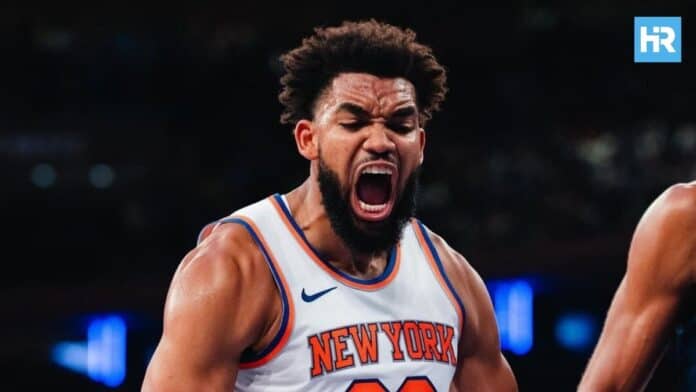
Karl-Anthony Towns’ trade to the New York Knicks was a big surprise to everyone, including him.

After spending nine seasons with the Minnesota Timberwolves, he only found out about the trade minutes before it became public.

With big names like Julius Randle and Donte DiVincenzo also involved in the deal, this move will affect both the Knicks and the Timberwolves.

So, what exactly went down in this trade, and what does it mean for both teams? Let’s find out.

Key Takeaways
  • Karl-Anthony Towns was told about his trade to the Knicks just four minutes before NBA insider Shams Charania announced it on social media.
  • The trade sent Julius Randle and Donte DiVincenzo to the Minnesota Timberwolves while Towns prepared to play for the Knicks.
  • NBA experts have mixed opinions on the trade, with some praising the Timberwolves’ additions and others believing Towns strengthens the Knicks.

Full Story of Karl-Anthony Towns’ Trade to the Knicks

Karl-Anthony Towns, a star player who spent his entire career with the Minnesota Timberwolves, was traded to the New York Knicks in a surprising deal that shook the basketball world.

Towns shared that he found out about the trade just four minutes before NBA reporter Shams Charania posted it on social media.

He revealed this during an interview on “The Roommates Show,” hosted by Jalen Brunson and Josh Hart.

On September 27 at 10:30 p.m., Towns received the news from Timberwolves president Tim Connelly, who personally came to Towns’ home to inform him.

Towns described the moment, saying, “By the time the shock wore off, Shams had already tweeted.

How Towns Found Out About the Trade

The way Towns learned about his trade was different from the usual process.

Instead of hearing the news from the media, Timberwolves president Tim Connelly came to Towns’ house to tell him in person.

Three of Towns’ friends and his father were also present when Connelly shared the news.

But Towns appreciated how the Timberwolves handled it, saying, “It’s a tough situation, but the way he did it deserves respect.

Later on, Tim Connelly admitted at a press event that trading Towns wasn’t easy for the team.

The whole idea of trading people I think is pretty gross and weird,” he said.

We had to give up one of the best players to ever put on a Timberwolves jersey. As good of a player as he is, he’s a better guy, so New York got a heck of a player and a better person. He’ll be missed.

What Both Teams Got

As expected, the trade didn’t just involve Karl-Anthony Towns.

In exchange for Towns, the Timberwolves received Julius Randle, Donte DiVincenzo, and a future first-round pick.

Randle and DiVincenzo bring toughness and depth to Minnesota’s lineup, which the team feels is important moving forward.

On top of that, the deal also included the Charlotte Hornets, making it a three-team trade.

Before the Knicks completed the trade, the Golden State Warriors had some interest in Towns, but their discussions with Minnesota didn’t lead to a deal.

The Warriors reportedly couldn’t offer enough to meet the Timberwolves’ demands.

Now, Towns is set to debut with the Knicks in their first game of the season against the Boston Celtics.

He’s also set to face his old team, the Timberwolves, twice this season—once in Minnesota on December 19 and then again at Madison Square Garden on January 17.

What NBA Experts Are Saying About the Trade

As you can imagine, opinions on the trade have been mixed.

Some NBA experts believe the Timberwolves won by getting two starters in Julius Randle and Donte DiVincenzo, while others think Towns will be a game-changer for the Knicks.

Former NBA star Paul Pierce, known for his critical takes on the Knicks, said, “In all honesty, I think Minnesota won that trade because I love DiVincenzo. He is a dog.

On the other hand, Kevin Garnett, another former player, feels that both teams got something valuable.

Garnett said, “I think New York having Karl-Anthony Towns in the East makes it a lot more interesting. It gives you that big sine Mitchell Robinson is out. They’re going to need a big that can dominate, that you can throw the ball to and score. Karl-Anthony Towns puts the Knicks in a different conversation now.

As Towns prepares for his new chapter with the Knicks, all eyes will be on how he meshes with Jalen Brunson and the rest of the squad.

The Knicks’ hopes of contending in the East rest heavily on Towns’ ability to dominate the paint and form a powerful duo with Brunson.

Blackstone’s €7.5 Billion Investment in Spain’s Data Centers

blackstone

Blackstone, one of the biggest investment companies in the world, is about to spend a huge €7.5 billion (about $8.2 billion) building data centers in Spain’s Aragon region.

Now, you might be thinking, “Why is a company investing so much in data centers in Spain?

Well, that’s what we’re here to talk about.

Let’s break it down and explain why this investment is a big deal for the tech world and even for everyday people like us.

Key Takeaways
  • Blackstone is investing €7.5 billion ($8.2 billion) to build data centers in Aragon, Spain, adding to the region’s growing reputation as a tech hub.
  • This investment follows Microsoft and Amazon, which have already committed billions to develop data centers in the same area.
  • Aragon’s wind energy capacity will help power these data centers, aligning with the growing need for clean, renewable energy in tech.

Why Aragon? Tech Giants Are Already Here

Aragon, with its regional capital Zaragoza, is quickly becoming a technology hub.

The local government has received 19 proposals for data center projects, and Blackstone’s investment joins those from tech giants Microsoft and Amazon, which have already committed to the region.

In June, Microsoft announced it would invest €6.69 billion to build its data centers in the area.

Just a month earlier, Amazon Web Services (AWS) confirmed it would spend €15.7 billion on its own cloud computing facilities in Aragon.

Both companies are looking to expand their European operations, and they have chosen Aragon as a prime location for these large-scale projects.

One reason for this influx of investment is Aragon’s strong infrastructure, which makes it an attractive place for tech companies.

Another important factor is its focus on renewable energy.

Amazon has stated that it plans to power its data centers using energy from Aragon’s large wind farms, making the region a leader in green energy for tech.

The Growing Demand for Data Centers and Clean Energy

The rise of cloud computing and artificial intelligence has created a global need for more data centers.

These facilities house the computer servers that store and process enormous amounts of data, which is crucial for services like video streaming, online storage, and AI-driven tools.

As more companies move to the cloud, the demand for data centers keeps growing.

Building and running data centers is energy-intensive, and many companies are now trying to power their facilities with clean energy.

So, Aragon is uniquely positioned to help meet this need because of its large wind power capacity.

By using renewable energy, tech companies can lower their environmental impact, which is a major concern for the industry.

Clearly, Blackstone’s investment shows how important data centers have become in today’s digital world.

And the company is now cementing itself as a major player in infrastructure that supports modern technology.

Blackstone’s Broader Plans in Europe

Blackstone’s investment in Aragon is part of a larger strategy to expand its presence in Europe’s growing data center market.

And just last month, Blackstone announced a £10 billion investment to build one of Europe’s largest AI data centers in Blyth, Northumberland, in the UK.

Looking at the details, this new facility is expected to create over 4,000 jobs, with 1,200 jobs dedicated to the construction of the site.

Not to mention, the UK has recognized the importance of data centers, recently designating them as part of the country’s critical national infrastructure.

This highlights the increasing reliance on these facilities in the face of cybersecurity threats and the need for secure data storage.

On top of that, Amazon has announced plans to invest £8 billion over the next five years in data centers across the UK.

Ultimately, these investments are necessary to meet the growing demand for cloud services and ensure that Europe remains a leader in tech innovation.

How Anthony Rizzo’s Fast Return from Injury Shaped the Yankees’ ALCS Run

When Anthony Rizzo broke two fingers at the end of the regular season, it looked like the Yankees would be without one of their star players for a while.

Most players would sit out for a few weeks to recover from such an injury.

But Rizzo? He came back in just 16 days. It’s a pretty amazing story of grit and determination.

Rizzo made his return during the American League Championship Series (ALCS), stepping back into the lineup as if he hadn’t been injured at all.

His return wasn’t just about playing the game—it was about showing how much he wanted to help his team and how hard he was willing to push himself for a chance at another World Series title.

Key Takeaways
  • Anthony Rizzo returned to the Yankees lineup just 16 days after fracturing two fingers, showing his dedication to the team’s playoff run.
  • Although he missed the ALDS, Rizzo’s return in the ALCS gave the Yankees a boost both in defense and leadership.
  • Rizzo’s experience and veteran skills made him an important part of the Yankees’ playoff push, even as he continued to deal with the effects of his injury.

How Rizzo Pushed Through Pain to Play in the ALCS

Rizzo suffered the injury on September 28, when he was hit by a pitch during the Yankees’ final regular-season series against the Pittsburgh Pirates.

With two fractured fingers, he missed the AL Divisional Series (ALDS) against Kansas City.

Although he was hopeful of playing, Rizzo ultimately decided not to push himself, admitting that he wouldn’t be able to perform at his best.

As Yankees manager Aaron Boone explained, “It was more a little bit of his conviction and the trainers feeling like he was in a good spot.

Rizzo’s return for the ALCS was driven by a combination of his own persistence and the confidence of the team’s medical staff.

He wore a special brace with extra padding to protect his injured hand during play but was still mindful of the pain.

Before Game 1, Rizzo knew that pain would be a factor, but he was determined to play through it for the team’s good.

He stated confidently, “The 50,000 people in the stands and the adrenaline and what’s at stake is going to outweigh any pain I’ll be feeling.

His resolve would be put to the test.

Rizzo’s Performance in His First Game Back

In his first at-bat, Rizzo hit a single to center field, proving he could still be productive at the plate despite not having faced live pitching since his injury.

Later in the game, he drew a walk, helping the Yankees score during an important three-run inning.

On defense, Rizzo showed no signs of rust until the top of the eighth inning, when he failed to field a ground ball, leading to a run for Cleveland.

By the ninth inning, Boone decided it was best to pull Rizzo from the game, bringing in Oswaldo Cabrera at first base. Despite the switch, the Yankees held on for the win.

This led to some speculation—was it the injury? Was it something else?

Boone clarified afterward that Rizzo was just “kind of physically and emotionally spent there late in the game.

It’s not surprising, considering he hadn’t played in weeks.

Rizzo himself seemed in good spirits afterward, telling reporters he expected some discomfort, but the atmosphere at Yankee Stadium would keep him going.

As for Boone, he was pleased with Rizzo’s overall performance, saying, “He was sharp, which was really good to see.

But it was clear that they’d have to keep a close eye on him for future games.

The decision to play Rizzo paid off, and the Yankees were encouraged by his contributions on both sides of the ball.

Rizzo, known for his toughness, had already endured a fractured forearm earlier in the season, which kept him out for over two months.

Returning from injury has been a recurring theme in his 14-year career, but this time, the stakes were higher, with a potential World Series in sight.

Why the Yankees Chose to Play Rizzo Despite His Injury

The Yankees survived the ALDS without Rizzo by relying on players like Oswaldo Cabrera and Jon Berti to fill the void at first base.

Both performed well, but the Yankees valued Rizzo’s veteran leadership and experience, particularly in the postseason.

Rizzo is one of only two active Yankees who have won a World Series, a feat he accomplished with the Chicago Cubs in 2016.

His presence on the field is as important mentally as it is physically for a team aiming to go deep into October.

Boone was clear that Rizzo’s activation for the ALCS wasn’t just about numbers.

Rizzo’s ability to play through pain, combined with his experience, made him a critical piece for the Yankees.

At 35, Rizzo understands the fleeting nature of opportunities like these.

The clock is only ticking on my age and getting older,” Rizzo said.

You never know when you’re going to have an opportunity to play for a pennant again.”

As for his future, Rizzo has a $17 million team option for next season, with a $6 million buyout.

His postseason performance may influence whether the Yankees exercise that option, but for now, he focuses squarely on helping the team win another championship.

What’s Next for Rizzo and the Yankees in the ALCS?

With Game 1 in the books, the Yankees and Rizzo will monitor his hand closely.

He admitted that he’s still in some pain, and how he responds physically after the game will determine whether he can continue in the lineup.

Yet, his Game 1 performance suggests that, despite the injury, Rizzo is still capable of making significant contributions.

If Rizzo can maintain this level of play, his presence will be invaluable as the Yankees continue their quest for a World Series title.

His leadership, defensive skills and clutch hitting could be the difference-maker as the Yankees face the Cleveland Guardians in what promises to be a tough series.

Hoboken’s Political Future: Bhalla Eyes Assembly, Jabbour Prepares for Hoboken Mayor 2025

hoboken mayor

Hoboken is gearing up for some major political changes, and things are starting to get interesting.

With Mayor Ravi Bhalla looking to jump from city leadership to a seat in the New Jersey state Assembly, the door is wide open for a new mayor in 2025.

Councilwoman-at-Large Emily Jabbour seems more than ready to step up to the plate and take on that challenge.

So, what’s next for Hoboken? Let’s break it down.

Key Takeaways
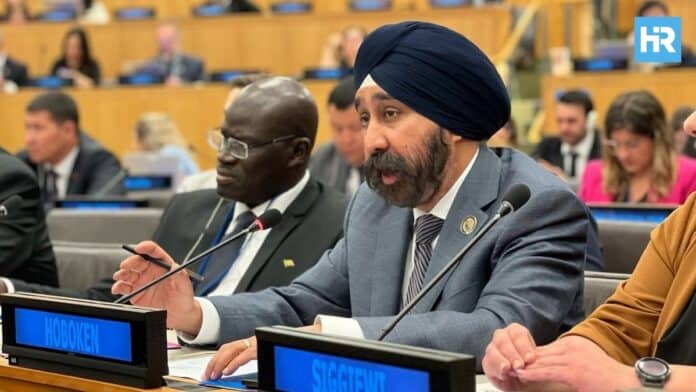
  • Hoboken Mayor Ravi Bhalla is expected to run for a state Assembly seat in New Jersey’s 32nd District, supported by Jersey City Mayor Steven Fulop.
  • Councilwoman Emily Jabbour is preparing to run for mayor in 2025, with strong backing from Bhalla and other key figures in Hoboken politics.
  • Other potential candidates for mayor include Councilmembers Mike Russo, Tiffanie Fisher, and Ruben Ramos, setting the stage for an exciting race.

Bhalla Sets His Sights on the State Assembly

Ravi Bhalla has made a name for himself during his time as Hoboken’s mayor.

But now, he’s looking to take his leadership skills to the state level.

Bhalla is expected to run for the state Assembly seat in New Jersey’s 32nd District, a position that’s opening up because the current Assemblyman, John Allen (who used to be Bhalla’s chief of staff), won’t be running again.

And Bhalla’s not doing this alone—he’s planning to run alongside Assemblywoman Jessica Ramirez with the backing of Jersey City Mayor Steven Fulop.

This is all part of Fulop’s team for the upcoming June 2025 primary.

Bhalla’s goal is clear: he’s ready to step up from Hoboken and make a bigger impact statewide.

With his experience and leadership skills, he’s definitely a strong contender for this seat.

This means Bhalla won’t be running for a third term as mayor of Hoboken, which opens the door for new leadership in the city.

But don’t worry—he’s already throwing his support behind Emily Jabbour, who’s gearing up to take his place.

Jabbour Prepares for a Mayoral Run in 2025

Emily Jabbour, a two-term Councilwoman-at-Large, is no stranger to Hoboken politics.

And now, she’s getting ready to step into the spotlight as she prepares to run for mayor in 2025.

While she hasn’t made an official announcement just yet, her recent email inviting supporters to a fundraiser pretty much says it all—she’s ready to go for it.

In that email, Jabbour talked about how excited she is for the future and how proud she is of the work she’s done on the City Council over the past seven years.

She’s focused on getting things done, and she’s been a big advocate for issues like making streets safer, improving services for Hoboken residents, and supporting local causes.

And she’s not alone in this—Bhalla has been singing her praises, calling her a trusted partner in government and saying she’s always been there for the people of Hoboken.

That’s some serious backing!

Jabbour’s event wasn’t just about her future mayoral run, though.

She also talked about the upcoming national election, specifically her focus on supporting Kamala Harris for president in 2024.

Jabbour is dedicated to making sure Harris gets elected, and after that, she’ll be ready to fully focus on her 2025 campaign for mayor.

At her fundraiser, Jabbour clarified that she’s not about political drama or making a big show—she’s all about real leadership and actually making things happen.

That’s the energy she’s bringing to the mayoral race, and her supporters seem more than ready to get behind her.

A Competitive Mayoral Race in 2025

Now, just because Jabbour is stepping up early doesn’t mean she’s going to have an easy road to the mayor’s office.

The Hoboken mayoral election in 2025 is shaping up to be competitive, and she’s not likely to be the only candidate in the race.

We’re looking at potential runs from 3rd Ward Councilman Mike Russo, 2nd Ward Councilwoman Tiffanie Fisher, and 4th Ward Councilman Ruben Ramos.

Each of these council members has their own ideas for how to lead Hoboken, and they’re all experienced politicians who’ve been serving the city for years.

Russo, for instance, has been all about supporting local businesses and boosting the economy.

Fisher and Ramos have each been focused on improving their wards and tackling community issues head-on.

So, if they all decide to run, Hoboken voters are going to have plenty of options to choose from, each with their own vision for the city’s future.

But for now, Jabbour’s early entry and strong support from Bhalla definitely give her an edge as the race starts to take shape.

Jabbour’s Vision for Hoboken’s Future

At her recent event, Jabbour took some time to reflect on her journey in public service and thank the people who’ve supported her so far.

She also praised Mayor Bhalla for his accomplishments during his time in office, such as implementing Hoboken’s “Vision Zero” plan to eliminate traffic deaths and making Hoboken a “Fair and Welcoming City.”

Jabbour is all about making real changes, and she’s made it clear that she’s not interested in the political performance some people put on.

In her words, leadership isn’t about slamming your hands on the table or making a lot of noise—it’s about showing up, doing the work, and making a difference behind the scenes.

She shared some fun stories at the event, like one from a fellow council member who recalled how Jabbour once confronted someone for parking in a dangerous spot near kids.

It was a lighthearted moment, but it really showed her passion for keeping the community safe and standing up for what’s right.

Right now, Jabbour is focused on the 2024 election and supporting Kamala Harris, but she’s made it clear she’s ready for whatever comes in 2025.

I can’t wait to see what 2025 is gonna bring,” she said with a smile.

What’s Next for Hoboken?

With Bhalla looking to move up to the state Assembly and Jabbour preparing for her mayoral run, the city is in for some exciting political changes.

The 2025 mayoral race is already heating up, and with other council members likely to enter the race, it will be a competitive and dynamic election.

Jabbour has a strong track record of getting things done and a clear vision for Hoboken’s future, but she’ll have to face off against experienced leaders like Russo, Fisher, and Ramos.

Hoboken voters will have some big decisions to make as the city looks toward the future, and it’ll be interesting to see how they all play out.

One thing’s for sure—Hoboken’s political scene is far from boring!

Keep an eye on this race because it will be one to watch.

Key Takeaways from the First Two Debates in the NJ Senate Race Between Andy Kim and Curtis Bashaw

In the race for New Jersey’s Senate seat, Democratic Rep. Andy Kim and Republican Curtis Bashaw have participated in two lively debates so far.

The candidates discussed their differences on major issues like abortion, immigration, and the economy.

Their debates gave voters a chance to see how these candidates plan to address the future of New Jersey after Bob Menendez’s resignation.

Below is a detailed breakdown of the key points from their first two debates to help you see where each stands.

Key Takeaways
  • Both candidates support abortion rights, but Bashaw praised the Supreme Court’s decision to overturn Roe v. Wade, which led to disagreement with Kim.
  • Bashaw argued for tougher border security and criticized current immigration policies, while Kim called for more balanced reform with legal pathways.
  • Kim advocated for corporate tax reforms to help middle- and lower-income families, while Bashaw focused on supporting small businesses to improve affordability in New Jersey.

Abortion Rights: A Major Difference in Views

The topic of abortion rights was a major issue in both debates, with each candidate expressing different views.

In the first debate, Curtis Bashaw, a pro-choice Republican, said he supports personal freedoms but also approved of the Supreme Court’s decision to overturn Roe v. Wade.

He explained this by saying that it allows states to make their laws about abortion.

I am pro-choice, congressman. I am for freedom in the home,” Bashaw said.

He also added that he supports the idea of letting states make their own decisions on abortion, like New Jersey, which has kept strong protections for abortion rights.

Andy Kim, on the other hand, clearly disagreed with Bashaw’s approval of the court’s decision.

Kim stated that he wants to protect abortion rights on a national level.

He pointed out his support for the Women’s Health Protection Act, which would guarantee the right to an abortion across the country.

Bashaw agrees with the Dobbs decision that removed the constitutional protection for abortion, and I strongly disagree with that,” Kim said during the second debate.

This difference set the stage for a larger conversation about how both candidates see the role of government in private matters.

Immigration and Border Security

Immigration policy was a frequent topic in both debates, and the candidates took very different stances on how to handle the issue.

Bashaw focused on the need for stronger border security.

He argued that the current situation at the U.S.-Mexico border is a “crisis” for New Jersey and that federal immigration policies are causing more undocumented immigrants to enter the country, leading to increased costs for the state.

In the second debate, Bashaw said, “We should decouple border security from immigration policy,” meaning that securing the border should be treated separately from discussions about immigration laws.

Kim supported the idea of border security but argued that a more comprehensive approach is needed to fix the immigration system.

According to Kim, the U.S. has only 682 immigration judges to handle over 3 million pending cases—a problem he argues will take years to resolve without bipartisan solutions.

He believes there should be more legal pathways for immigrants, especially high-skilled workers who want to contribute to the economy.

We have to take a serious, balanced approach to immigration,” Kim said during the second debate, also criticizing Republicans for turning immigration into a political issue.

This exchange showed the clear divide between Bashaw’s focus on strict security and Kim’s broader vision of reform.

Economic Issues

Both candidates agreed that affordability is a major issue for people in New Jersey, but they had different ideas about how to solve it.

In the first debate, Bashaw leaned on his experience as a businessman.

He argued that helping small businesses grow and reducing government interference is the best way to fix the economy.

He said, “I believe in unshackling businesses and letting them grow,” showing his belief that the private sector, not the government, is key to creating jobs and improving the state’s financial situation.

Kim, in contrast, advocated for progressive policies that support middle- and lower-income families.

He pushed for raising the minimum wage, expanding Medicare to include vision and dental coverage, and implementing fair tax policies for large corporations.

During the second debate, Kim also brought up the racial wealth gap in New Jersey, pointing out that there’s a $300,000 gap between white families and minority families, which he said could be addressed with targeted policies.

Big corporations need to pay their fair share in taxes. The gap between the wealthiest and the rest of us continues to grow,” Kim said.

This discussion showed that Bashaw wants less government involvement in the economy, while Kim believes that targeted government programs are necessary to reduce inequality and help middle-class families.

What’s Next: Preparing for the Final Debate

With two debates completed, both candidates are now preparing for their final debate on October 22.

This upcoming debate will focus more on economic issues, social policies, and global matters.

Voters can expect Kim and Bashaw to present their strongest arguments in this important last meeting before Election Day.

As the race for New Jersey’s Senate seat heats up, these debates have given voters a clear view of each candidate’s position on key issues.

From protecting abortion rights to reforming immigration policies and addressing economic challenges, Andy Kim and Curtis Bashaw have offered distinct choices for New Jersey’s future.

Stay tuned for more updates as the campaign moves forward, and the candidates get ready for their final debate.

Latest News

New Jersey Bomb Cyclone Travel Ban and Snowfall

New Jersey Bomb Cyclone 2026: Travel Bans, Transit Shutdowns, and Record...

The February 2026 blizzard in New Jersey was officially classified as a “bomb cyclone.” The designation applies when a storm undergoes bombogenesis — a...
Vetoed Bird-Safe Ordinance 26-008 Back in Debate

Jersey City Council Reopens Fight Over Bird-Safe Building Costs

Ordinance 26-008, which regulates bird-safe materials for buildings, has been reintroduced to the Jersey City Council agenda. The measure is identical to the version...
Rob Menendez Slams Trump Over Hudson Tunnel Funding Freeze

Rob Menendez Urges End to Hudson Tunnel Funding Dispute After Court...

In Hoboken, after a press conference concerning an unrelated federal funding allocation, U.S. Rep. Rob Menendez (D-8) discussed the restoration of approximately $205 million...
Hudson County NAMI Caregiver Support Programs

Hudson County Caregivers Get February Mental Health Support

Hudson County residents caring for youth with mental health symptoms can participate in a six-session NAMI Basics course offered this February through NAMI Hudson...
Portal Bridge Cutover Reduces NJ Transit Service

Portal Bridge Cutover Slashes 53% of NJ Transit Service

Beginning Feb. 15, Amtrak will start a month-long “cutover” project to transfer train traffic from the existing Portal Bridge to the new Portal North...