Home Blog Page 9

Kodai Senga Reaffirms Desire to Stay as Mets Enter Unsettled Offseason

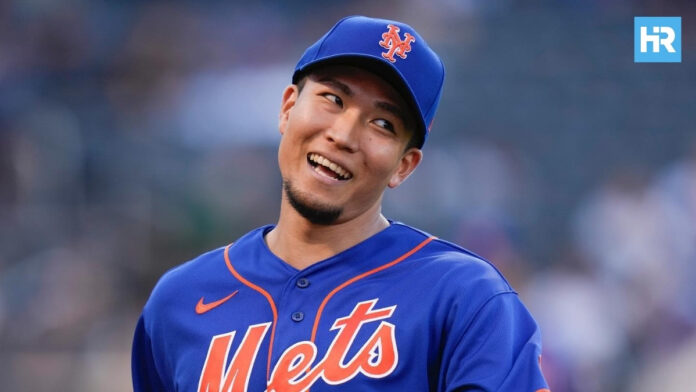
Kodai Senga Wants to Stay as Mets Weigh Trade

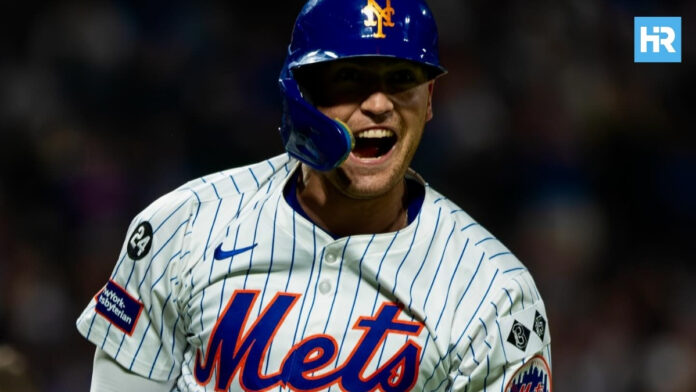
Kodai Senga has informed the New York Mets that he would prefer to remain with the organization rather than be traded, according to reporting from The Athletic’s Will Sammon. Though Senga lacks full control over the outcome, his contract — a five-year, $75 million deal signed in December 2022 that includes a 10-team no-trade clause — gives him limited protection as the Mets weigh offseason decisions.

The Mets, valued at $3.2 billion by Forbes, failed to reach the postseason at the end of the 2025 season. They have traded Brandon Nimmo, who joined the organization in 2016, and are exploring the possibility of trading Jeff McNeil.

Key Takeaways
  • Kodai Senga informed the Mets he prefers to stay despite being on the trading block and having a 10-team no-trade clause.
  • Senga’s three seasons in New York include a strong 2023 rookie year, major injuries in 2024, and a 2025 demotion after posting a 5.90 ERA in nine post-injury starts.
  • The Mets have begun roster changes, trading Brandon Nimmo and exploring a Jeff McNeil deal after missing the 2025 postseason.

Performance, Injuries, and Demotion Across Three Seasons

Senga’s first season with the Mets in 2023 included 29 starts, a 12–7 record, a 2.98 ERA, and 202 strikeouts in 166.1 innings. He finished second in NL Rookie of the Year voting. His 2023 performance followed 11 seasons with the Fukuoka Softbank Hawks in Japan’s Nippon Professional Baseball league.

In 2024, he made one regular-season start due to a right shoulder injury and a calf injury. In 2025, he entered the season healthy, then strained his hamstring in June and missed a month. Senga returned to post a 5.90 ERA over nine starts, leading the club to option him to Triple-A in early September — a move he could have rejected under his contract but did not. He stayed in Triple-A for the remainder of the season. In total, he has made 52 starts across his three years in New York.

Betting Markets Adjust to Injuries and Roster Changes

Sportsbooks recalibrated their outlook on the Mets following their 2025 performance and midseason trades. DraftKings currently lists New York at +1500 to win the 2026 World Series and +600 to win the National League. FanDuel has them at +1100 for the World Series; BetMGM posts +1400. For comparison, PointsBet opened the Mets at +700 for the 2025 title before the season unraveled.

Senga’s individual futures followed a similar arc. He opened 2025 around +2800 for the NL Cy Young Award and remained in that range in the early evaluations. After the June hamstring strain and uneven return, his odds slipped dramatically, falling to +10000 by late September. He now appears near 110–1 in updated listings. He also surfaces at +5000 in Comeback Player of the Year markets.

Trade Conditions and Impact on Rotation Options

Senga’s no-trade clause narrows the Mets’ options, and his 2024–25 injury history has tempered the aggressiveness of potential suitors. The team removed him from the rotation in September while still attempting to stay in the postseason race, an indication of internal concern.

If Senga remains, the projected rotation includes Nolan McLean, Clay Holmes, Sean Manaea, and David Peterson alongside him. McLean retains minor-league options but is expected to hold a rotation spot after his 2025 performance. Manaea, Holmes, and Peterson lack options but have bullpen experience, giving the Mets flexibility. The club could consider moving one of those arms, though none is likely to bring back a return matching Senga’s upside, and Manaea’s contract and 2025 results may limit market interest.

Yankees at Risk of Losing Cody Bellinger as Payroll Limits Tighten

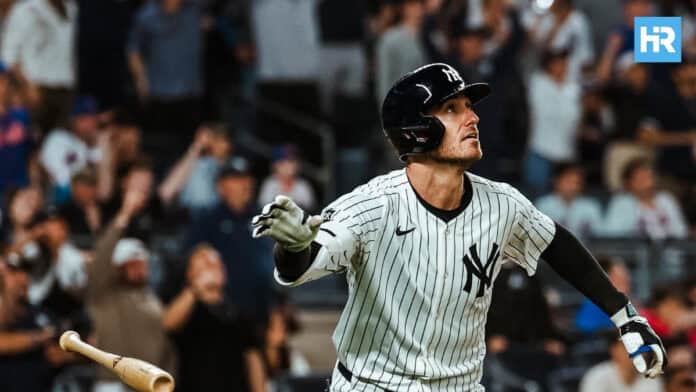
Yankees Risk Losing Cody Bellinger

Cody Bellinger’s first season with the New York Yankees delivered production that positioned him as one of the team’s most valuable players. Over 152 games, he recorded 29 home runs, an .813 OPS, and 5.1 wins above replacement. The Yankees used him in left field beside Trent Grisham throughout the postseason, showing confidence in the defensive alignment.

The situation changed when Bellinger opted out of the final year of the contract he originally signed with the Chicago Cubs. His free agency introduced immediate questions regarding roster structure, payroll capacity, and market competition for a player with proven value in multiple cities.

Key Takeaways
  • Cody Bellinger produced 29 home runs, an .813 OPS, and 5.1 WAR in 152 games with the Yankees, then opted out of the final year of the contract he originally signed with the Chicago Cubs, placing his future with New York in question.
  • The Yankees may hesitate to re-sign Bellinger because Hal Steinbrenner said it would be “ideal” to reduce payroll from $319 million, and the team’s projected luxury-tax figure is already just above $280 million before any major additions.
  • Multiple reports state that re-signing Bellinger will require a significant financial commitment, with Bryan Hoch writing that the Yankees “have limits,” that the negotiation could stretch into December, and that it might take the highest offer to bring him back.

Yankees’ Stated Payroll Limits

MLB.com reporter Bryan Hoch explained that the Yankees “say they have limits,” and if another team offers more years or larger financial terms, Bellinger could sign elsewhere. He added that Scott Boras rarely accelerates negotiations and that this situation has the signs of one that extends into December as teams compete for a left-handed power bat with plus defense in center field.

Financial context increases the uncertainty. Yankees owner Hal Steinbrenner said it would be “ideal” to spend less than last season’s $319 million payroll. Spotrac currently places the club’s projected luxury-tax payroll above $280 million after arbitration salaries. If Bellinger’s market reaches the $30–35 million range annually, the team may decide to step back from a prolonged bidding battle.

Sportsbook Odds Respond to Bellinger’s Free Agency

Sports betting markets adjusted quickly once Bellinger entered free agency. Player-specific futures for 2026 were removed on major sportsbooks until his next team is confirmed, shifting attention toward “next team” odds.

Sportsbook Review published a set of odds listing the Yankees at +450, Any Other Team at +550, Chicago Cubs at +650, and Seattle Mariners at +700. Heavy.com reported that BetOnline’s market placed the New York Mets at +250, Houston Astros at +350, and the Cubs at +450, showing a different ordering of contenders. Action Network reported that DraftKings posted early odds involving “two of his former teams,” indicating that more than one familiar destination remained in consideration.

Bellinger’s free agency affected larger futures markets as well. DraftKings opened 2026 World Series odds with the Los Angeles Dodgers at +370 and the Yankees at +750, which appeared again in an ESPN odds table using DraftKings data. Oddschecker recorded Yankees futures between +700 and +850, depending on the sportsbook.

Bellinger’s Value and the Yankees’ Offseason Needs

Hoch explained that Bellinger has already succeeded in major markets—Los Angeles, Chicago, and New York—and that his performance history gives pursuing teams confidence. He also pointed out that the Yankees have needs in multiple areas, which may limit their ability to commit to a top-end contract.

Bellinger’s offensive profile remained strong in 2025 with a .272/.334/.480 line, well-suited for Yankee Stadium’s short right-field porch. His defensive range and adaptability gave the Yankees stability across outfield alignments. His comfort level in New York was visible on August 13, 2025, when he hit a solo home run in the third inning against the Minnesota Twins at Yankee Stadium.

Why a Reunion Fits the Yankees’ Objectives

Despite payroll limits, the Yankees continue to show clear interest in bringing Cody Bellinger back. After Trent Grisham accepted the qualifying offer, several observers viewed the situation through the lens of reduced outfield urgency. MLB.com’s Brian Murphy addressed that directly, writing, “Trent Grisham’s acceptance of the qualifying offer solidifies two of the three outfield spots and releases the pressure the Yankees might have felt to acquire another outfielder this winter.

Murphy presented a direct argument for a reunion, stating, “A reunion with Bellinger just makes so much sense.” He supported that view by pointing to Bellinger’s performance at Yankee Stadium, writing, “He absolutely loved hitting at Yankee Stadium, with 18 homers and a .302/.365/.544 slash line over 337 plate appearances in the Bronx.

Murphy also described the value Bellinger brings, adding, “However, Bellinger’s athleticism and versatility are just as important, if not more so, than his bat for the Yankees.

Wayne Gretzky’s 1988 Trade and the Transformation of U.S. Hockey

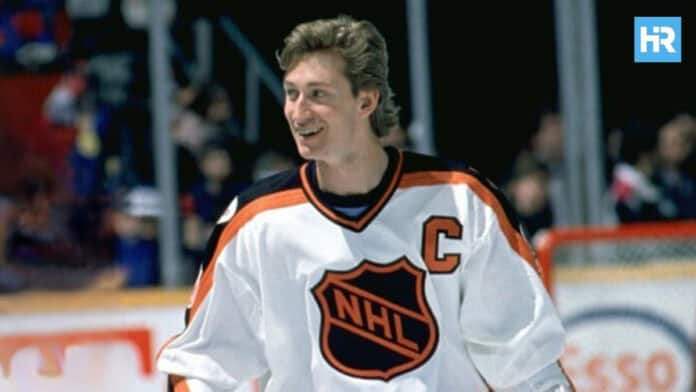
Trade Transformed U.S. Hockey

On August 9, 1988, Wayne Gretzky was traded from the Edmonton Oilers to the Los Angeles Kings. As the NHL’s most prominent player at the time, his move surprised people throughout the sport.

Gretzky’s arrival in LA set off ripple effects across the sport, from new U.S. franchises and rising youth participation to increased national coverage and, eventually, stronger interest in hockey among sports bettors.

Key Takeaways
  • Gretzky’s 1988 trade led directly to major NHL expansion, including the creation of the Sharks, Lightning, Panthers, and Mighty Ducks, and helped establish successful franchises in regions where previous attempts had failed.
  • California became a significant hockey market, with full arenas for both the Kings and Ducks and a rapid rise in interest that contributed to long-term growth in Western and Sun Belt markets.
  • Post-trade franchise development reshaped the league, with 10 U.S. teams forming or relocating after the move and five of those teams ultimately winning the Stanley Cup.

How Gretzky Shifted National Attention to Los Angeles

Gretzky’s arrival placed the NHL in a much larger media spotlight. The Kings, who previously received limited attention compared to other Los Angeles teams, became a major sports story across the country. His presence brought regular national television coverage and raised interest well beyond traditional hockey areas.

Los Angeles’ entertainment industry also played a part. Celebrities such as Sylvester Stallone, Tom Hanks, and Goldie Hawn regularly attended Kings games, and Gretzky’s wife, actress Janet Jones, further anchored him in the Hollywood spotlight. Gretzky later described the experience by recalling how surprising it was to see so many well-known actors at their games and how this attention brought a different kind of visibility to the sport.

The Kings also scheduled numerous preseason games in cities without NHL teams. These games introduced professional hockey to new regions, where many people already recognized Gretzky and compared his standing to athletes like Michael Jordan.

Expansion and the Arrival of New NHL Franchises

When the trade occurred, the NHL had 21 teams, and the Kings were the only American team located west of Minnesota. After Gretzky joined the Kings, interest in the sport spread across several regions — a period that saw the creation of new franchises:

  • San Jose Sharks (1991–92)
  • Tampa Bay Lightning (1992–93)
  • Florida Panthers (1993–94)
  • Mighty Ducks of Anaheim (1993–94)

By 2013, 23 out of 30 NHL teams were based in the United States. A total of 10 U.S. franchises were created or relocated after the trade, and five of those teams won the Stanley Cup: the Kings, Ducks, Hurricanes, Lightning, and Avalanche.

According to documented details, teams such as the Ducks, Panthers, and Coyotes likely would not have existed in the 1990s without the increased interest caused by Gretzky’s move. His arrival also contributed to NHL success in areas where the league had not succeeded in earlier attempts, including the Bay Area and Denver.

Gretzky described the growth of fan support in California by recalling a night when the Kings drew 18,500 fans, and the Ducks drew 17,000, resulting in a total of 35,000 people attending NHL games in the state on the same evening. He said that this moment showed how far hockey in California had progressed and that his move to Los Angeles had come at an ideal time.

California’s Participation Boom and the Rise of New NHL Talent

Before 1988, California had produced five NHL players. As participation increased, the number grew to 27, including first-round draft picks Jonathon Blum (2007), Beau Bennett (2010), and Emerson Etem (2010).

Participation numbers show the growth clearly:

  • 1990–91: 4,483 players
  • 1995–96: 15,537 players — a 221.7% increase during Gretzky’s final season in Los Angeles
  • 2009–10: 20,204 players

Growth extended across the country. Between 1991 and 2010, 15 states recorded hockey participation increases of 150% or more, including:

  • Texas: 1,156.8%
  • Florida: 804.7%
  • North Carolina: 502.6%

In the 2000s, NHL teams drafted 564 American-born players, the highest total of any decade. Many of these players developed during the years influenced by Gretzky’s presence in Los Angeles.

International competition also showed the reach of this growth. At the 2010 World Junior Championships, the U.S. roster included 10 players from nontraditional hockey states. At the 2013 World Junior Championships in Russia, the American team featured players from 13 different states, including strong performances from Rocco Grimaldi of California and Seth Jones of Texas.

National Broadcasting Growth After the Trade

The NHL’s expanded presence in major American markets helped secure a significant media agreement. In 2011, the league signed a 10-year, $2 billion television contract with NBC Sports. The deal relied on the growing interest in markets such as Los Angeles, the Bay Area, and Phoenix, markets strengthened by the surge that followed the Gretzky trade.

Sports Betting Expansion Connected to Hockey’s Rising Popularity

Sports betting expanded after the May 2018 Supreme Court decision to overturn the Professional and Amateur Sports Protection Act (PASPA). The ruling allowed states to legalize sports gambling. Many states have enacted laws permitting and regulating sports betting, with additional states expected to follow.

As betting became more common, hockey attracted more bettors. The NHL formed partnerships with sportsbooks and betting companies that provided data, technology, and a range of wagering options — all of which created new revenue sources and increased fan engagement across the league.

Hoboken’s Holiday Market Series Brings Three Festive Sundays to 770 Jackson St.

Hoboken Hosts Three-Sunday Holiday Market

The Hoboken Holiday Market Series will take place again at 770 Jackson St. Plaza on December 7, December 14, and December 21, with each event running from 11 a.m. to 4 p.m. The outdoor plaza behind the Monroe Center will serve as a central gathering place for seasonal shopping, community activities, and rotating holiday features across all three dates.

Key Takeaways
  • The Hoboken Holiday Market Series will return on December 7, 14, and 21 at 770 Jackson St. Plaza, running from 11 a.m. to 4 p.m. each Sunday.
  • More than 75 local artisans will offer a wide range of gifts, and each event features holiday music, themed displays, character visits, children’s activities, and warm seasonal drinks.
  • Each Sunday will include different programming, with December 7 focused on live performances, December 14 featuring family-friendly holiday attractions, and December 21 bringing back the main activities for a seasonal finale.

Three-Week Market With More Than 75 Artisans

Visitors will find a large selection of goods from over 75 local artisans throughout the series. Items will include jewelry, clothing, bath and home products, art, photography, artisanal foods, seasonal treats, pet items, children’s gifts, and holiday décor.

Holiday music, themed displays, roaming character visits, and a bouncy play area for kids will be part of the atmosphere. A beverage lounge will offer warm seasonal drinks during each event.

December 7: Opening Day With Continuous Performances

The first market on December 7 will feature a full day of community music. The schedule includes performances from music programs, school choirs, and a closing band set. Seasonal drinks will be available throughout the afternoon.

This opening date sets the tone for the series with live music and the full artisan marketplace.

December 14: Holiday Activities for All Ages

The second market on December 14 will highlight a collection of holiday-themed attractions. Visitors will see a large inflatable area, appearances from costumed holiday characters, a singing Mrs. Claus, and a bouncy play area for children.

These activities will accompany the returning artisan marketplace, creating a family-oriented mid-month event.

December 21: Seasonal Finale With Returning Attractions

The final market on December 21 will bring back key attractions from the previous week, including the inflatables area, character photo opportunities, a singing Mrs. Claus, and the bouncy activity zone.

This closing date completes the three-week series and offers another opportunity to explore the full vendor market and seasonal displays before the holiday week.

Yankees’ Hal Steinbrenner Details 2026 Payroll Plans, Costs, and Roster Goals

Yankees Owner Breaks Down 2026 Spending

New York Yankees owner Hal Steinbrenner spoke with reporters in a video conference call, offering a detailed explanation of the team’s payroll expectations for 2026, the club’s major operating costs, and his position on possible changes to Major League Baseball’s economic structure. His comments followed a season in which the Yankees carried one of the largest payrolls in the sport and entered an offseason involving qualifying offers, free-agent decisions, and industry discussions about spending rules across the league.

Key Takeaways
  • Steinbrenner says lowering payroll would be “ideal,” but unlikely, as the Yankees continue to aim for a championship-level roster.
  • The Yankees finished the season with a $319 million payroll and face major expenses, including a $100 million annual payment to New York City, which Steinbrenner argues complicates assumptions about profits.
  • Steinbrenner remains open to a salary cap only if paired with a salary floor, reflecting his concerns about competitive balance across MLB.

Steinbrenner Explains $319M Payroll and 2026 Plans

Steinbrenner stated that the Yankees finished the season at $319 million in payroll, according to reporting from The New York Post’s Greg Joyce. When he was asked whether the team could spend less in 2026, he responded with a clear explanation of the situation, “Would it be ideal if I went down [with the payroll]? Of course. But does that mean that’s going to happen? Of course not. We want to field a team we know we believe could win a championship.

General manager Brian Cashman, speaking at the general manager meetings, said the Yankees had not yet provided him with a specific payroll number for the winter. He described the offseason as a process of understanding which players were available and at what cost, and said that the $22 million qualifying offer accepted by outfielder Trent Grisham would not interfere with the team’s pursuit of free agent Cody Bellinger:

I think we’re in a good spot… The job right now is to find out what’s available, and those all have different price points… It just depends on how things shake out and what opportunities present themselves.

Sportsbooks posted futures shortly after the season ended, and the Yankees appeared near the top of the boards. Across major betting outlets, the Yankees were consistently listed as the second favorite to win the 2026 World Series, typically in the +700 to +800 range, behind the Los Angeles Dodgers, who won their second straight World Series by defeating the Toronto Blue Jays in seven games. Books also placed the Yankees among the leading contenders to win the American League, and Aaron Judge appeared as an early AL MVP favorite around +300.

Steinbrenner Addresses $100M NYC Payment and Profit Claims

When asked about the belief that the Yankees, often described as Major League Baseball’s most valuable franchise, operate with consistent profits, Steinbrenner gave a direct answer through MLB reporter Bryan Hoch. He said the claim was inaccurate and stated that discussions about revenue overlook the scale of the team’s financial obligations.

“Everybody wants to talk about revenues. They need to talk about our expenses, including the $100 million dollar expense to the City of New York that we have to pay every February 1, including the Covid year. So it all starts to add up in a hurry,” he said.

He also stated that these costs do not change the team’s overall spending profile, saying the Yankees have “always” been among the highest payroll clubs and “always will be.”

At the end of the regular season, excluding contract bonuses, the Yankees carried a $301 million payroll and faced a projected $62 million luxury tax bill. The team has paid the luxury tax in 21 of 23 seasons, with payments that total more than $500 million since the system began in 2003.

Steinbrenner Discusses Salary Cap, Salary Floor, and 2026 CBA

During the call, Steinbrenner was asked whether he supports a salary cap in the next collective bargaining agreement. He said, “I don’t feel like I’m in position right now research-wise, knowledge-wise to answer that question.

He did say he might support a cap if it included a salary floor, describing a floor as something that could improve competitive balance if structured in a reasonable way. He said many fans believe the league has not made enough progress in this area, though he said some improvements have occurred over the past decade.

The league’s current collective bargaining agreement expires on December 1, 2026. During the last round of negotiations, MLB’s owners carried out a lockout that lasted 99 days before the sides reached a five-year deal on March 10, preserving a full 162-game season that began one week late.

Baseball players have experienced nine work stoppages, including the 7½-month strike in 1994–95, which stopped a prior salary cap proposal.

Qualifying Offers, Free-Agent Targets, and Next Plan

The Yankees’ offseason officially began when Trent Grisham accepted the $22 million, one-year qualifying offer. He was one of four players to accept a qualifying offer this year, along with:

  • Gleyber Torres, Detroit Tigers second baseman
  • Shota Imanaga, Chicago Cubs left-hander
  • Brandon Woodruff, Milwaukee Brewers right-hander

The Yankees are also expected to pursue Cody Bellinger, who earned $27.5 million last season. When the Cubs traded Bellinger to New York, they sent $5 million to the Yankees as part of the terms of his $80 million, three-year contract, which includes two player options. In his season with New York, Bellinger batted .272, hit 29 home runs, and recorded 98 RBIs.

Looking ahead, Steinbrenner said payroll levels could change year to year depending on available opportunities, “It doesn’t mean they won’t go slightly down one year and then up the year after that. It all depends on what’s out there and what possibilities are and how much I feel we’re able to or we need to pull the trigger on those possibilities.”

The Yankees are expected to discuss a payroll range before the Winter Meetings as they evaluate outfield additions, pitching depth, and other roster needs. The club has not won the World Series since 2009 but continues to operate with one of MLB’s highest payrolls and remains positioned to pursue players capable of shifting the roster into championship contention.

Mets Trade Brandon Nimmo to Rangers for Marcus Semien in One-for-One Deal

Mets Swap Brandon Nimmo

The news arrived less than an hour after the New York Giants became the first NFL team eliminated from postseason contention. Soon after, the New York Mets traded Brandon Nimmo to the Texas Rangers for Marcus Semien in a direct one-for-one exchange.

The trade followed the Mets’ September 29 season-ending press conference, where president of baseball operations David Stearns repeatedly used the term “run prevention” and made clear that roster changes were coming.

Key Takeaways
  • The Mets traded Brandon Nimmo for Marcus Semien to boost run prevention, despite Nimmo’s 14-year bond with the team and Semien coming off his weakest offensive season.
  • Texas moved on from Semien even after he helped win the 2023 World Series, showing sentiment was no factor as they also non-tendered Adolis García, Jonah Heim, and Josh Sborz.
  • The Mets must now make major additions, such as signing Kyle Tucker, re-signing Pete Alonso, or trading prospects for an ace, to justify sacrificing offense for defense.

A Veteran-for-Veteran Deal Breaks from Sentiment

For fans, this trade looked like a “change of scenery” move. But Nimmo’s 14-year connection to the Mets added an emotional weight. He was known for being friendly to everyone, fans, media, teammates, and always available to explain or clarify anything asked of him. Even so, the Mets’ final record of 83-79 and their estimated $340 million payroll, which came with a luxury tax bill of about $90 million, left little room for decisions based on nostalgia.

Nimmo had completed three seasons of the eight-year, $162 million contract he signed after reaching free agency for the first time following a stronger 2022 regular season and a disappointing postseason. But moving on from sentimental players is not unusual in New York sports.

New York sports history is full of emotionally charged trades. After the 1974 season, the Yankees traded Bobby Murcer to the San Francisco Giants for Bobby Bonds. Murcer struggled with the hitting environment at Shea Stadium that year, while Bonds entered the trade after three straight seasons with at least 40 steals. In his lone year with the Yankees, Bonds hit .270 with 32 home runs, 85 RBIs, and 30 steals. Murcer later returned in 1979 and produced the game-winning hit off Tippy Martinez in the game after Thurman Munson’s funeral. Bonds’ performance with New York eventually helped the Yankees acquire Ed Figueroa and Mickey Rivers, both key contributors to their title teams.

Earlier examples include the Dodgers trading Jackie Robinson to the Giants after the 1956 season. Robinson, 37 and coming off a .275 year, chose to retire rather than report to the Giants. In 1977, the Mets moved Tom Seaver to the Cincinnati Reds during a dispute involving chairman M. Donald Grant. The Mets did not begin winning consistently again until 1984.

Marcus Semien’s Arrival and What the Mets Are Banking On

For the Mets, the present is centered on Marcus Semien, who arrives with a long track record suggesting he can contribute to their next successful era. Semien, entering his age-36 season, is a two-time Gold Glove winner and one of MLB’s most durable infielders.

He debuted in 2013 after being selected by the Chicago White Sox in the sixth round of the 2011 draft. His career has taken him to the White Sox (2013–14), Oakland Athletics (2015–20), Toronto Blue Jays (2021), and Texas Rangers (2022–25). His breakout came in 2021 with Toronto, where he posted a .265/.334/.538 slash line, hit a career-high 45 home runs, and tallied 102 RBIs—a season that earned him All-Star honors and a Silver Slugger award.

His performance helped him land a seven-year, $175 million contract with Texas as part of a $500 million infield overhaul alongside Corey Seager. Semien hit .276 with 29 home runs and 100 RBIs in 2023, helping Texas win its first World Series title.

But his production dipped sharply afterward. In 2024, he batted .237, and in 2025, he hit .230 with 15 home runs and 62 RBIs across 127 games—his lowest full-season home run total since 2018. His season ended after he fouled a ball off his foot on August 18 in Kansas City, sidelining him for the final 5.5 weeks.

Defensively, however, he remained one of baseball’s best. Semien won his second Gold Glove in 2025 with +7 Outs Above Average, ranking in the 92nd percentile at second base. Over 1,629 career games, he holds a .253 batting average, 253 home runs, and 801 RBIs.

According to ESPN on November 23, 2025, team sources said, “The acquisition of Semien—who won his second Gold Glove this year—aligns with president of baseball operations David Stearns’ primary goal this winter of improving run prevention.

MLB Trade Rumors added the next day that Semien also brings a needed right-handed bat to a lineup that “leaned left” and has now lost an everyday left-handed hitter in Nimmo.

Stearns stressed “defensive excellence as our north star” during a November 22 press conference, as reported by the New York Post. SNY analysts Steve Gelbs and Andy Martino called the trade a “bold pivot toward contention” during their November 23 broadcast, praising Semien’s durability even after an age-35 offensive dip.

SI.com on November 23 rated the deal a B+ for New York, noting that its “defensive gains outweigh offensive tweaks.”

Semien is expected to hit second or third in the Mets’ order and form a strong middle-infield partnership with Francisco Lindor. Nimmo’s departure opens flexibility in the outfield for prospects or free agents and allows resources to shift toward pitching or corner positions.

On the other side, Texas adds Nimmo’s bat to help improve their .234 team average from 2025. They must now find a second baseman to replace Semien as they try to build on an 81-81 season. Outside of 2023, the Rangers have not recorded a winning year since 2016.

How Betting Markets Positioned Both Teams

Sportsbooks adjusted the Mets and Rangers within existing ranges for 2026. DraftKings lists the Mets at +1500 for the 2026 World Series. FanDuel previously had them at +1100, and BetMGM opened them at +1400. ESPN, CBS, Oddsshark, and Oddspedia list them between +1100 and +1500.

The Rangers appear between +3000 and +4000 across DraftKings, BetMGM, FTN, and Oddsshark. Their position reflects their 81–81 record and recent roster decisions, including non-tendering Adolis García, Jonah Heim, and Josh Sborz. The Nimmo–Semien trade did not produce significant changes on its own, and analysts indicated that further Mets moves would influence any shift in odds.

Why Texas Moved On, and Why the Mets Must Keep Going

Texas’s willingness to trade Semien also shows that sentiment played no part in their decision. Even though he wasn’t a homegrown Ranger, he contributed to their 2023 title run. Yet the Rangers also non-tendered Adolis García, Jonah Heim, and Josh Sborz—the pitcher who recorded the final out of their World Series win after García’s powerful postseason helped fuel the team’s path to the championship.

For the Mets, the Nimmo-for-Semien swap only makes sense if more major moves follow. Nimmo hit 25 home runs and drove in 92 runs in 2025. Trading that production for a 35-year-old coming off his weakest offensive season is a clear risk unless the Mets add significant help elsewhere.

The team has several paths to justify the gamble.

Signing Kyle Tucker

Before the trade, pursuing Kyle Tucker did not fit. Nimmo and Juan Soto were set to occupy the corner outfield spots for the next five years. But with Nimmo gone, the chance to “back the Brinks truck” for Tucker is open.

Tucker’s 2025 season with the Chicago Cubs was not what he wanted, but he still started the All-Star Game and won a Silver Slugger. He played at an elite level during the first half before a hand injury limited him. His bat is significantly stronger than Nimmo’s, and even with defensive setbacks, he offers a powerful offensive upgrade.

Re-signing Pete Alonso

Re-signing Pete Alonso has always been a priority, and the Semien trade makes it even more pressing. Alonso remains one of MLB’s weakest defensive first basemen, but Semien’s range at second base covers more ground than Jeff McNeil’s, making Alonso’s defense easier to manage.

Alonso signed a two-year deal that paid him $27 million in 2025 and included an opt-out. The Mets’ statement on that agreement used the terms “homegrown talent” and “adored.” His go-ahead home run in the ninth inning of the 2023 wild-card series in Milwaukee against Devin Williams remains one of the franchise’s iconic moments.

If the club could trade someone as beloved as Nimmo, it is possible they could let Alonso leave, unless they act quickly.

Trading for an Ace

The Mets have a surplus of middle infielders: Lindor, Semien, and prospects Jett Williams and A.J. Ewing. Williams, a top-30 prospect per MLB Pipeline, could headline a trade for a controllable frontline starter.

Possible targets include pitchers like Tarik Skubal or Joe Ryan. The Mets do not want to rush into parting with Williams or Ewing, but if trading one helps secure an ace, the idea gains logic, especially now that middle-infield depth is even deeper.

New York Monitors Anthony Davis While Dallas Faces Trade Pressure

Knicks Keep Eyes on Anthony Davis

The New York Knicks enter the season with what is described as their best roster in roughly twenty years. Jalen Brunson and Karl-Anthony Towns are the team’s leading scorers, and Mikal Bridges and OG Anunoby occupy the forward positions. The organization is focused on winning a championship this season, and its roster has been constructed around that pursuit.

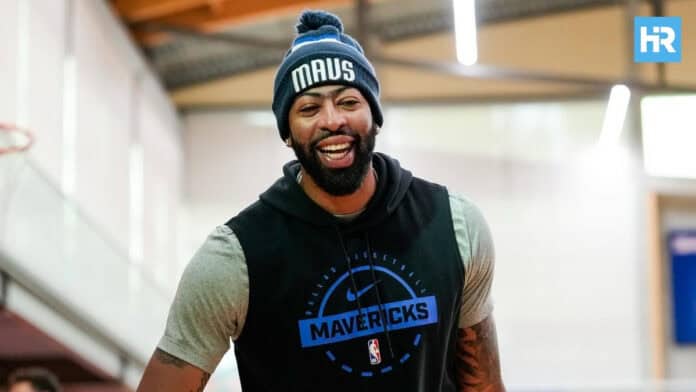
As the Knicks progress through the season with this goal in mind, league attention has begun to focus on the situation involving Dallas Mavericks center Anthony Davis. Although Mavericks minority owner Mark Cuban told The Athletic’s Joe Vardon, “we won’t” trade Davis, additional reporting states that teams are expected to evaluate the possibility if Dallas decides to take trade discussions further.

Key Takeaways
  • The Knicks are expected to “check in” on a possible Anthony Davis trade if the Dallas Mavericks decide to move him, according to insider Ian Begley.
  • Dallas is struggling at 5–13, dealing with major injuries and fallout from the Luka Doncic trade, and is now listening to offers for Davis.
  • A trade is extremely hard to build because Davis makes $54 million this year, the Knicks lack first-round picks, and both New York and Dallas are second-apron teams.

Knicks Expected to Initiate Contact if Dallas Opens Trade Conversations

On Saturday, SNY’s Ian Begley said he believes the Knicks would “at least check in” if Davis becomes available. Begley explained, “You may scoff at the idea, but the Knicks want to win a title this season. If Dallas is offering Davis at a below-market cost, I’m sure the Knicks will at least give the move some thought.” He added, “The Mavs will get calls from nearly all NBA teams if/when they make Davis available.

During their postseason run when they took a 2–0 series lead over the Boston Celtics, the Knicks’ championship odds moved into the league’s upper tier, reaching the fifth-best odds to win the NBA Finals. Entering this week, aggregated futures listed New York around +900 to win the title. Ahead of their recent game against the Brooklyn Nets, New York was positioned as a -13 favorite, with a -850 moneyline and a total of 228, consistent with the Knicks’ 9–6 record and the Nets’ 3–13 record.

Dallas’ Poor Start and Davis’ Limited Availability Shape the Situation

The Mavericks are 5–13 following a home loss to the Memphis Grizzlies, who were without Ja Morant and Jaren Jackson Jr. Injuries have been a constant issue for Dallas since trading away Luka Doncic, and these problems contributed to Nico Harrison being fired a few weeks into the season.

Davis has played a limited number of games since arriving in the Doncic trade, appearing in 14 of a possible 51 games, though reports note that Davis has been healthy enough to appear in only 14 of 48 regular-season games because of adductor and calf setbacks.

Given the circumstances, betting markets have seen a change. Sportsbooks list Dallas at +25000 to win the NBA Finals, +12500 to win the Western Conference, and +25000 to win their division, meaning the Mavericks are near the bottom of the league’s futures boards.

Davis’ individual props, which adjust frequently based on his status, continue to draw attention when he is active. One recent rebound prop carried a -136 price on one side, supported by projections estimating 13.1 rebounds for that performance.

Reporting Indicates Dallas Will Listen to Offers

Further clarity came from Marc Stein, who wrote, “League sources say that the Mavericks still intend to field any trade interest in Davis that emerges over the next two-plus months with the prospect of an actual trade obviously dependent on offer quality.” Stein reiterated Davis’ limited availability, stating that he has appeared in 14 of 48 regular-season games due to the same injuries.

Taken as a whole, Dallas’ record, injuries, and internal changes have established the conditions under which the organization is willing to consider incoming interest.

Possible Fit and the Structural Barriers to a Deal

If the Knicks evaluate a potential trade, they would need to consider both on-court and financial factors. Davis could contribute to the Knicks’ defense, which is identified as an area where Towns struggles. Both players are above-average rebounders. Offensively, the two have a similar profile, although Towns is identified as the better three-point shooter, which could affect spacing.

Executing a trade would require significant adjustments due to Davis’s salary of $54 million. A Knicks package centered on Josh Hart and Mitchell Robinson is described as leaving New York “well short.” Both teams are second apron teams, adding further restrictions.

The Knicks have a 2026 first-round pick, but they will not make a 2027 first-round selection unless they acquire one through a trade. Much of their previous draft capital was used in the Mikal Bridges trade.

Because of these constraints, most scenarios would require Karl-Anthony Towns to be included to match the salary. A third team, such as the Brooklyn Nets, could be needed to distribute contracts. New York’s collection of second-round picks could help facilitate a multi-team structure.

When Did The Nets Move To Brooklyn? A Complete Breakdown Of The Team’s Shift

The Nets Move To Brooklyn

The Brooklyn Nets franchise has moved through multiple names, arenas, states, and eras since it was founded. It began as the New Jersey Americans in the ABA (American Basketball Association), became the New York Nets, then the New Jersey Nets in the NBA, and now plays as the Brooklyn Nets in the Atlantic Division of the Eastern Conference at Barclays Center in Brooklyn, New York.

Today, we’ll explore the team’s full journey: its relocations across states, rebrands, the evolution of the Brooklyn Nets logo and colors, and the exact timeline of when and why the Nets moved to Brooklyn.

Quick Timeline of the Nets Franchise

  • 1967: Founded as the New Jersey Americans in the ABA.
  • 1968–1976: Became the New York Nets, bouncing around arenas on Long Island.
  • 1974 & 1976: Won two ABA championships behind Julius “Dr. J” Erving.
  • 1976: Joined the NBA in the ABA–NBA merger.
  • 1977–2012: Relocated and rebranded as the New Jersey Nets, playing in Piscataway, then the Meadowlands, and later Newark.
  • 2002 & 2003: Led by Jason Kidd, reached back-to-back NBA Finals.
  • 2012: Moved to Brooklyn, adopted a new black-and-white identity, and became the Brooklyn Nets.

From New Jersey Americans to New York Nets (1967–1973)

The franchise began on February 2, 1967, as the New York Americans in the ABA. Venue complications pushed their first season to the Teaneck Armory in New Jersey, creating the unofficial identity of the New Jersey Americans. Seeking stability, the team rebranded as the New York Nets before the 1968–69 season, playing across Long Island at venues such as Island Garden and later Nassau Veterans Memorial Coliseum, where they moved in 1972.

The turning point arrived on June 20, 1973, when the Nets acquired Julius Erving. His arrival elevated them into ABA contenders, culminating in championships on May 4, 1974, and May 13, 1976, the latter being the ABA’s final title before the merger.

The ABA–NBA Merger and Return to New Jersey (1976–1981)

When the ABA–NBA merger took place on August 5, 1976, the Nets paid $3.2 million to enter the NBA. Days later, the Knicks demanded a $4.8 million indemnity fee for sharing the New York market. Unable to meet both costs, owner Roy Boe sold Julius Erving to Philadelphia on October 20, 1976.

After a 22–60 debut NBA season, financial strain pushed the team to relocate. Following a legal dispute with the Knicks and a settlement finalized in October 1977, the franchise became the New Jersey Nets, playing temporarily at the Rutgers Athletic Center while awaiting a permanent arena.

Meadowlands Era and Early NBA Success (1981–1986)

The Nets’ long-awaited home arrived on October 30, 1981, when they moved into Brendan Byrne Arena at the Meadowlands. That same year, they drafted Buck Williams, who won Rookie of the Year and led the team to one of its most stable stretches.

From 1982 to 1986, the Nets delivered consistent winning seasons and, on April 26, 1984, secured their first NBA playoff series victory. However, suspensions, injuries, and coaching changes gradually slowed the team’s rise, setting the stage for a difficult decade.

Setbacks and Missed Opportunities (1986–1990)

The late 1980s were defined by instability. On February 25, 1986, star guard Micheal Ray Richardson received a lifetime ban for drug violations. Darryl Dawkins’ repeated injuries and the ill-fated decision on June 22, 1987, to draft Dennis Hopson over future stars derailed long-term plans.

By April 1990, the Nets finished with a 17–65 record, one of the lowest points in franchise history, and a sign that another rebuild was unavoidable.

A New Core and Tragedy (1990–1996)

The Nets began fresh by drafting Derrick Coleman on June 27, 1990, and Kenny Anderson on June 26, 1991, then acquiring Dražen Petrović. Their talent pushed New Jersey back into the playoffs in 1992 and 1993, but the run was cut short when Petrović died in a car accident on June 7, 1993.

Despite flashes of success, internal issues and inconsistent leadership weakened the roster, and by 1996, the team again sat near the bottom of the standings.

Rebranding and the Road to Jason Kidd (1996–2001)

On June 25, 1997, the Nets introduced a modern 3D shield logo and debuted a retooled roster built around Sam Cassell, Kerry Kittles, and Keith Van Horn. Injuries and coaching changes prevented sustained progress, and the team continued to hover below contention.

Everything shifted when Rod Thorn became team president on June 2, 2000, laying the groundwork for the most successful period in Nets NBA history.

The Jason Kidd Era and Back-to-Back NBA Finals (2001–2004)

The Nets transformed on June 28, 2001, when they traded for Jason Kidd. With Richard Jefferson, Kenyon Martin, and Kerry Kittles, the Nets surged to a 52–30 record and reached their first NBA Finals on June 1, 2002. They returned the next season, winning the Eastern Conference again on May 22, 2003, before falling to the Spurs.

By 2004, injuries and roster turnover slowed the group. Coach Byron Scott was dismissed on January 26, 2004, and although the Nets still reached the postseason, their Finals window had closed.

Vince Carter, Transition, and the End of the New Jersey Era (2004–2012)

On December 17, 2004, the Nets acquired Vince Carter, ushering in a new competitive phase. Mid-2000s teams regularly reached the playoffs, but lacked the depth to replicate the Kidd-era success. As contracts expired and ownership shifted toward the Brooklyn project, the roster broke apart.

The low point came in the 2009–10 season, when the Nets started 0–18 (an NBA record) and finished 12–70. Ahead of relocation, they played their final New Jersey home game on April 23, 2012, and their final game as the New Jersey Nets on April 26, 2012, when Johan Petro scored the last points in team history in a 98–67 loss to Toronto.

Ownership, Atlantic Yards, and the Move to Brooklyn (2004–2012)

The path to Brooklyn began years earlier when developer Bruce Ratner purchased the Nets on January 21, 2004, intending to relocate the franchise as part of the Atlantic Yards redevelopment in Brooklyn. The proposed arena sat near the site once considered for a Brooklyn Dodgers stadium. After years of lawsuits and delays, Barclays Center finally broke ground on March 11, 2010.

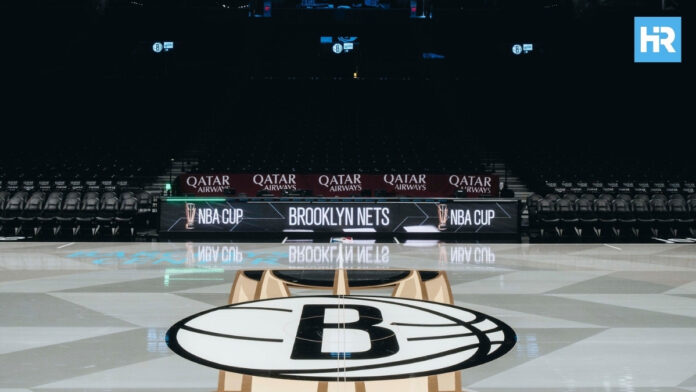
On September 26, 2011, Jay-Z officially announced at a press event in Brooklyn that the team would become the Brooklyn Nets when it relocated for the 2012–13 season. The full rebrand was then unveiled on April 30, 2012, introducing a minimalist black-and-white color scheme and two primary logos inspired directly by 1950s New York City subway rollsigns, including a shield design and a circular “B-ball” emblem.

The branding resonated immediately. Within the first 48 hours, NBA Store merchandise sales were reported to be ten times higher than comparable periods during the franchise’s New Jersey era.

Brooklyn’s First Seasons and a New Image (2012–2016)

The Nets debuted in Brooklyn with their first home game on November 3, 2012, beating Toronto. Their postponed opener vs. the Knicks, delayed by Hurricane Sandy, was played on November 26, 2012.

Seeking immediate contention, the Nets traded for Paul Pierce and Kevin Garnett on July 12, 2013, surrendering multiple first-round picks. The gamble produced short-term playoff success but crippled future drafts. By 2016, the franchise had shifted into a full rebuild.

The Rebuild, Surprise Playoff Return, and the Stars Arrive (2016–2020)

A full organizational reconstruction began on February 18, 2016, when the team hired Sean Marks as general manager. Kenny Atkinson joined as head coach on April 17, 2016, and together they built a development-focused program. Without meaningful draft picks because of the 2013 trade, the Nets relied on undervalued players, strong culture, and smart scouting.

Their patience paid off in 2018–19, when D’Angelo Russell became an All-Star, and the Nets returned to the playoffs on April 7, 2019, finishing 42–40.

Momentum carried into free agency when Kevin Durant and Kyrie Irving announced their commitments on June 30, 2019, joining the Nets officially on July 7, 2019.

The Durant–Irving–Harden Superteam and Its Collapse (2020–2023)

On January 14, 2021, the Nets traded for James Harden, forming a historic offensive trio. Despite flashes of dominance, injuries and off-court issues derailed cohesion. The Nets lost a heartbreaking Game 7 to Milwaukee on June 19, 2021, remembered for Durant’s toe-on-the-line shot.

The following season saw Kyrie Irving sidelined due to vaccine mandates, Harden requesting a trade on February 10, 2022, and Durant repeatedly seeking exits. By February 9, 2023, both Durant and Irving had been traded, ending the era.

Reset and Long-Term Planning (2023–Present)

After the departures of Kevin Durant and Kyrie Irving, the Nets shifted their focus fully toward assets and development. They hired Kevin Ollie as interim head coach on February 20, 2024, and then named Jordi Fernández the permanent head coach on April 22, 2024, signaling the start of a new direction.

The organization moved further into its rebuild on June 21, 2024, when it traded Mikal Bridges to the New York Knicks for a substantial return of future draft picks and movable contracts.

Ahead of the 2025–26 season, Brooklyn acquired Michael Porter Jr. and Terance Mann and brought in several rookies from a deep draft class, reinforcing a long-term approach built on flexibility, player development, and sustainable roster growth.

Mets DFA Frankie Montas, Set to Pay $17M Remaining on Two-Year Deal

Mets Release Frankie Montas

The New York Mets designated right-hander Frankie Montas for assignment on Tuesday, Nov. 18, 2025, ending a nine-appearance stint with the club. The move was procedural, as Montas underwent Tommy John surgery at the end of the regular season and will miss all of 2026. He exercised his $17 million player option on the final season of his two-year, $34 million contract, and the Mets remain responsible for the full amount. With his departure, he will no longer rehab at Citi Field or at the team’s Spring Training complex.

The decision coincided with the deadline to protect eligible minor-league players from the Rule 5 draft, prompting the club to open a 40-man roster spot. In a corresponding move that same Tuesday, the Mets selected outfielder Nick Morabito, the organization’s No. 16 prospect, to the roster.

Key Takeaways
  • The Mets designated Frankie Montas for assignment, leaving the team responsible for the final $17 million on his contract.
  • Montas had Tommy John surgery on Sept. 9 and is expected to miss the entire 2026 season.
  • The transaction allowed the Mets to add Nick Morabito to the 40-man roster before the Dec. 10 Rule 5 draft.

Montas’ Delayed Debut, Limited Availability, and Final Season Numbers

Montas’ year with the Mets began with a lat strain in spring training, which delayed his debut until June 24. He went on to make nine appearances, including seven starts and two relief outings, posting a 6.28 ERA and a 1.603 WHIP. His last appearance came on Aug. 15, after an elbow issue cut his season short and ultimately led to surgery.

Before joining the Mets, Montas pitched for the Chicago White Sox (2015), Oakland (2017–22), the New York Yankees (2022–23), Cincinnati (2024), Milwaukee (2024), and the Mets, compiling a 47–48 career record with a 4.20 ERA across 10 major-league seasons.

Betting Market Reaction to Montas’ Exit and Mets Outlook

Sportsbooks and betting reports list several odds connected to the Mets. FanDuel lists the Mets at +1100 to win the 2026 World Series, alongside their 83–79 record and the fact that they missed the playoffs. Additional listings show the Mets with odds of +1100, +1400, and +1500 across various books for the World Series, placing them behind top teams. DraftKings also lists the Mets in the +1400 to +1500 range.

Covers listed the Mets at the end of the 2025 season at +20000 to win the World Series, +10000 to win the National League, and +5500 to win the NL East. An ESPN Bet note reported that the Mets were 2–13 in their last 15 games, and their World Series odds shifted from +800 on June 12 to +1500 by Aug. 15.

BetMGM previously reported that New York’s National League pennant odds moved from +700 to +400 after an offseason move. FanDuel’s opening 2025 odds listed the Mets at +700, and a midseason odds update listed them at +1400. Additional outlets listed the Mets at +1200, +1400, and +1500 among other teams. These odds reflected their performance before and after the 2025 season and show them placed behind the Dodgers, Yankees, Phillies, and other top clubs in various listings.

Morabito Added to Protect Against Rule 5 Draft Selection

By removing Montas from the roster, the Mets selected the contract of Nick Morabito, a 22-year-old outfielder who was a second-round pick in 2022. Morabito spent the entire 2025 season with Double-A Binghamton, where he hit .273 with six home runs, 59 RBIs, and 49 stolen bases in 60 attempts, contributing to 108 steals over the past two seasons.

He also excelled in the Arizona Fall League, posting a .362/.450/.464 slash line with 16 stolen bases in 17 games. Morabito is ranked as the No. 13 prospect in the Mets’ system in earlier scouting references and appears on the 40-man roster as part of the team’s preparation for the Dec. 10 Rule 5 draft.

NBA 2026 Salaries: Ranking the Top 20 Highest Paid Basketball Players

The 2025-26 season isn’t just about highlights—it’s about money too. Fans still ask who is the highest-paid NBA player? And how much do NBA players make at the top level? This year’s list of highest paid NBA players delivers record numbers.

While the highest-paid NBA player 2023 conversation had its stars, today’s deals push even higher, fueled by the biggest NBA contract era.

From Stephen Curry’s league-leading pay to other stars’ huge deals, here’s a look at the NBA’s top earners.

Key Takeaways
  • Stephen Curry continues to top the NBA salary charts with $55.7 million.
  • Joel Embiid, Kevin Durant, and Nikola Jokic follow closely, earning $51.4 million.
  • The list features a mix of seasoned veterans like LeBron James and rising stars like Luka Doncic, reflecting the league’s diverse talent and earning power.

Overview of NBA’s Highest-Paid Players for 2025

The top-paid NBA players of the 2025 season highlight the league’s shifting financial dynamics, showcasing a mix of seasoned legends and emerging stars redefining the game.

These record-breaking NBA salaries for 2025 reflect more than just elite stats—they underscore each player’s marketability, global reach, and endorsement power.

Here’s an in-depth look at the contracts, careers, and star power behind the NBA’s highest earners this season:

1. Stephen Curry – Highest Paid NBA Player with $55.7 million

Golden State Warriors’ Stephen Curry leads the NBA salary charts, earning $55.7 million this season.

Curry’s consistent performance and his role in revolutionizing the game with his three-point shooting have cemented his status as one of the league’s top earners, making him the highest paid basketball player.

Known as the “Baby-Faced Assassin,” the influence of this highest-paid NBA player extends beyond the court with significant endorsement deals and a strong presence in media and business ventures.

His leadership has been instrumental in the Warriors’ multiple championships, and this highest NBA salary reflects his value both on and off the court​​.

2. Joel Embiid – $51.4 million

Philadelphia 76ers’ Joel Embiid is another prominent figure in the NBA, earning $51.4 million – he is the number two highest paid NBA player.

As the 2023 NBA MVP, Embiid’s dominant presence in the paint and scoring ability make him one of the league’s top talents.

Embiid’s charismatic personality and strong social media presence have also contributed to his high marketability.

His salary reflects his contributions to the 76ers and his potential to lead them deep into the playoffs.

3. Nikola Jokic – $51.4 million

Denver Nuggets star Nikola Jokic, a two-time MVP, ties Kevin Durant for the league’s second-highest salary.

His versatility and leadership have been crucial to Denver’s success, as evidenced by his biggest NBA contract ever, highlighting his immense value.

Widely regarded as the best passing big man in NBA history, Jokic’s ability to score, rebound, and facilitate has redefined the center position, cementing his status as one of the game’s most indispensable players.

4. Kevin Durant – $51.1 million

Kevin Durant of the Phoenix Suns is one of the highest-paid NBA players at $51.1 million.

Durant’s move to the Suns has positioned him as a key player in their quest for a championship, reflecting his immense value on and off the court.

Durant is known for his scoring ability and versatility, which have made him one of the most formidable players in the league.

His salary is a testament to his impact on the game and his marketability, which includes numerous endorsement deals and investments​.

5. Bradley Beal – $50.2 million

Bradley Beal, now with the Phoenix Suns, earns $50.2 million. Beal’s scoring prowess has been well-recognized throughout his career, and his 2023 move to the Suns marked a fresh start with significant expectations.

Known for his ability to score from anywhere on the court, Beal’s presence is expected to be a game-changer for the Suns’ title aspirations – we could even expect some amazing dunks.

His contract reflects his value as one of the premier shooting guards in the league, capable of consistently delivering high offensive output.

6. Kawhi Leonard – $49.2 million

Los Angeles Clippers’ forward Kawhi Leonard is among the NBA’s top earners, with a base salary of $49,205,800 for the 2024-25 season.

Leonard’s ability to impact games on both ends of the floor, from shutting down top scorers to delivering critical baskets, makes him invaluable.

Despite injury concerns, Leonard remains one of the league’s most effective and respected players.

His salary reflects his ability to change the course of games, especially during the playoffs.

7. Devin Booker – $49.2 million

Devin Booker of the Phoenix Suns commands a $49.2 million salary, underscoring his status as one of the NBA’s elite scorers, clutch performers, and richest NBA players. Central to Phoenix’s resurgence, Booker’s ability to dominate late in games has made him invaluable to the franchise.

Recognized as one of the league’s most dynamic young stars and highest paid NBA players, he continues to elevate his legacy each season. Off the court, Booker has also cemented himself as a cultural figure, with major endorsements and business ventures amplifying his influence far beyond basketball. His paycheck reflects both his impact on the game and his growing global brand.

8. Paul George – $49.2 million

Paul George, now playing for the Philadelphia 76ers, earns $49.2 million. George’s two-way skills, combining excellent defense with significant scoring ability, make him a cornerstone of the 76ers’ title aspirations.

His versatility allows him to guard multiple positions while also being a primary scoring option.

George’s leadership and performance in clutch situations underscore his importance to the team, justifying his substantial salary.

9. Karl-Anthony Towns – $49.2 million

Karl-Anthony Towns of the New York Knicks ranks among the NBA’s highest-paid stars with a $49.2 million salary.

Known for his rare blend of perimeter shooting and interior dominance, Towns became a cornerstone for New York after his October 2024 trade from the Minnesota Timberwolves.

This season, he’s averaging 25.3 points, 14.0 rebounds, and 3.3 assists per game, showcasing his offensive versatility and leadership. Beyond basketball, Towns is lauded for his philanthropy and advocacy on social issues, strengthening both his franchise value and community impact.

10. Jaylen Brown – $49.2 million

Jaylen Brown of the Boston Celtics also takes home $49.2 million, a salary that underlines his evolution into one of the NBA’s elite wing players.

Known for his scoring, defense, and leadership, Brown has become an indispensable part of Boston’s core and was a huge part of their title success.

Brown is also a respected figure off the court, using his platform to address social justice issues and promote education, furthering his impact beyond basketball.

11. Jimmy Butler – $48.7 million

Miami Heat’s Jimmy Butler earns $48.7 million. Butler’s reputation for elevating his game in the playoffs and his leadership qualities are key to the Heat’s success.

Known as “Playoff Jimmy,” his ability to perform under pressure has been critical in the Heat’s deep playoff runs.

Butler’s all-around game includes scoring, defense, and playmaking, making him one of the league’s most versatile and valuable players.

His salary reflects his status as a top-tier player and a leader on and off the court​.

12. Giannis Antetokounmpo – $48.7 million

Milwaukee Bucks’ Giannis Antetokounmpo, a former MVP and Defensive Player of the Year, remains a top earner at $48.7 million.

Giannis’s all-around game, which encompasses scoring, rebounding, playmaking, and defense, makes him indispensable to the Bucks.

His leadership and relentless work ethic have been crucial to Milwaukee’s success, including their 2021 NBA Championship.

Antetokounmpo’s salary is a testament to his significant contributions and his standing as one of the best players in the league​.

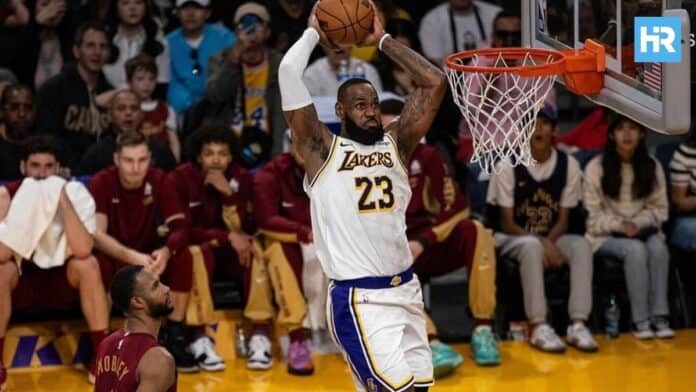
13. LeBron James – $48.7 million

LeBron James of the Los Angeles Lakers also earns $48.7 million. His continued excellence and leadership at an advanced career stage underscore his enduring value to the Lakers and the NBA.

LeBron is widely regarded as one of the greatest basketball players of all time, and his influence extends well beyond the court.

James remains a global icon with numerous business ventures, including entertainment and philanthropy.

His salary reflects his contributions to the sport and his status as a cultural figure​.

14. Damian Lillard – $48.7 million

Damian Lillard, who joined the Milwaukee Bucks in 2023, also earns $48.7 million. Lillard’s is expected to significantly bolster the Bucks’ championship hopes this season, providing them with a dynamic scorer and leader.

Known for his deep shooting range and clutch performances, Lillard’s addition to the Bucks aims to complement Giannis Antetokounmpo’s inside game, creating a formidable duo.

His salary highlights his status as one of the elite guards in the NBA.

15. Rudy Gobert – $43.8 million

Minnesota Timberwolves’ Rudy Gobert, known for his defensive dominance, earns $43.8 million. His presence in the paint is crucial for the Timberwolves’ defensive strategies.

Gobert, a multiple-time Defensive Player of the Year, is known for his shot-blocking and rebounding abilities, which anchor the Timberwolves’ defense.

His impact on the game is not always reflected in traditional statistics, but his ability to alter opponents’ shots and protect the rim is invaluable.

Gobert’s salary reflects his elite status as one of the best defensive players in the league.

16. Anthony Davis – $43.2 million

Los Angeles Lakers’ Anthony Davis earns $43.2 million. Davis’ impact on both ends of the court and his health will be pivotal for the Lakers’ season.

Known for his defensive versatility and scoring ability, Davis is a crucial player for the Lakers.

His ability to dominate the paint, protect the rim, and score from inside and outside makes him one of the league’s most complete players.

However, his health has been a concern, and the Lakers’ success often hinges on Davis staying injury-free.

His salary reflects his immense talent and potential to lead the Lakers to another championship.

17. Luka Doncic – $43.0 million

Dallas Mavericks’ Luka Doncic, one of the brightest young stars in the NBA, earns $43.0 million. Doncic’s playmaking and scoring abilities make him a franchise cornerstone.

His ability to control the game with his vision, passing, and scoring has made him one of the most exciting players to watch.

He has already achieved numerous accolades at a young age, including multiple All-Star selections and All-NBA Team honors.

Doncic’s salary reflects his potential to be one of the all-time greats in the league.

18. Zach LaVine – $43.0 million

Chicago Bulls’ Zach LaVine, a prolific scorer and key player for the Bulls, earns $43.0 million.

LaVine’s athleticism and scoring ability make him one of the premier shooting guards in the league.

He has improved his game significantly over the years, becoming an All-Star and a central figure in the Bulls’ offense.

LaVine’s salary reflects his role as a leader and his potential to take the Bulls deep into the playoffs​.

19. Trae Young – $43.0 million

Atlanta Hawks’ Trae Young, known for his scoring and playmaking, also earns $43.0 million. Young’s growth and leadership are critical for the Hawks’ success.

His ability to hit deep three-pointers and create plays for his teammates makes him a dynamic offensive threat.

Young has quickly become the face of the franchise and a fan favorite, leading the Hawks to significant playoff success in recent years. His salary underscores his importance to the team’s future​.

20. Fred VanVleet – $42.8 million

Fred VanVleet, now with the Houston Rockets, earns $42.8 million. His leadership and scoring ability are expected to lead the Rockets’ rebuild.

VanVleet, who played a key role in the Toronto Raptors’ 2019 championship, brings his championship experience and veteran presence to a young Rockets team.

His ability to score, distribute the ball, and play tough defense makes him a valuable addition to the Rockets.

VanVleet’s salary reflects his importance to the team’s rebuilding efforts and his status as a top guard in the league.

Who Leads the NBA Salary Rankings for 2025-26?

Stephen Curry is once again the highest-paid NBA player this season, leading the league’s highest paid NBA players with a jaw-dropping $55.7 million NBA player salary. The deal underscores not only his on-court dominance but also the global brand power and leadership that make him a perennial answer to “who is the highest paid NBA player?”

These blockbuster paydays—some nearing the biggest NBA contract territory—show how modern superstars drive both winning and worldwide fan growth.

As basketball’s reach expands, the highest NBA salary figures reveal just how much elite talent, marketability, and star power are worth in shaping the league’s financial future.

Latest News

Rob Menendez Slams Trump Over Hudson Tunnel Funding Freeze

Rob Menendez Urges End to Hudson Tunnel Funding Dispute After Court...

In Hoboken, after a press conference concerning an unrelated federal funding allocation, U.S. Rep. Rob Menendez (D-8) discussed the restoration of approximately $205 million...
Hudson County NAMI Caregiver Support Programs

Hudson County Caregivers Get February Mental Health Support

Hudson County residents caring for youth with mental health symptoms can participate in a six-session NAMI Basics course offered this February through NAMI Hudson...
Portal Bridge Cutover Reduces NJ Transit Service

Portal Bridge Cutover Slashes 53% of NJ Transit Service

Beginning Feb. 15, Amtrak will start a month-long “cutover” project to transfer train traffic from the existing Portal Bridge to the new Portal North...
NJ Teacher in “Baby Rapist” Chat Pleads Guilty

Former NJ Teacher in ‘Baby Rapist’ Chat Pleads Guilty to Child...

On Wednesday, February 11, 2026, Senior Counsel Philip Lamparello announced that Matthew Ozol, 40, of Jersey City, pleaded guilty before U.S. District Court Judge...
Jersey City Faces $250M Deficit, Mayor Takes $1 Salary

Jersey City Releases Report Showing $250 Million Budget Deficit

On February 4, 2026, Mayor James Solomon released a document titled A Report to the People of Jersey City, outlining what it calls a...