Home Blog Page 98

Legendary NBA Finals Winners: A Year-by-Year History

Legendary NBA Finals Winners

The NBA Finals have given us countless memorable moments, showcasing the dominance of legendary franchises and emerging powerhouses.This guide provides a complete list of NBA Finals winners highlights teams and players with the most championships.

Key Takeaways
  • The Boston Celtics and Los Angeles Lakers are tied for the most NBA championships with 17 titles each.
  • Bill Russell holds the record for the most NBA championships won by a player, with 11 titles.
  • The 2024 NBA Finals will feature the Boston Celtics and Dallas Mavericks, with the Celtics favored to win.

Most Iconic Moments of the NBA Finals Winners

The NBA Finals showcase skill, strategy, and sheer willpower, where the best teams from the Eastern and Western Conferences battle for the championship.Let’s have a look at some of the most memorable moments from the history of the NBA.

2023: Denver Nuggets Defeated Miami Heat (4-1)

The Denver Nuggets defeated the Miami Heat in a thrilling series to capture their first NBA championship in franchise history. Nikola Jokić was instrumental, earning the Finals MVP with averages of 30.2 points, 14.0 rebounds, and 7.2 assists. Denver’s balanced attack and Jokić’s dominance were too much for Miami, which struggled with shooting and consistency throughout the series.

2022: Golden State Warriors Defeated Boston Celtics (4-2)

The Golden State Warriors returned to the pinnacle of the NBA by overcoming the Boston Celtics in six games. Stephen Curry, who is one of the highest-paid NBA player, was named Finals MVP for the first time in his career, showcasing his elite shooting and leadership. The Warriors’ experience and depth proved decisive against a resilient Celtics squad.

2021: Milwaukee Bucks Defeated Phoenix Suns (4-2)

The Milwaukee Bucks, led by Giannis Antetokounmpo, won their first championship in 50 years. Giannis delivered a historic performance in Game 6, scoring 50 points to secure the title. His dominance in the paint and leadership were crucial in overcoming the Suns, who were led by Chris Paul and Devin Booker.

2020: Los Angeles Lakers Defeated Miami Heat (4-2)

The Los Angeles Lakers, driven by LeBron James and Anthony Davis, won the championship in the NBA bubble in Orlando. LeBron was named Finals MVP, adding to his legacy with his fourth title. The Lakers’ defense and the star power of James and Davis were key in defeating the Heat, who made an impressive run as the fifth seed.

2019: Toronto Raptors Defeated Golden State Warriors (4-2)

The Toronto Raptors secured their first NBA title by overcoming the injury-hit Golden State Warriors. Kawhi Leonard was the Finals MVP, showcasing his two-way excellence. The Raptors capitalized on injuries to Warriors’ stars Kevin Durant and Klay Thompson, but their balanced play and Leonard’s leadership were pivotal in their historic win.

2018: Golden State Warriors Defeated Cleveland Cavaliers (4-0)

The Golden State Warriors swept the Cleveland Cavaliers to win their third title in four years. Kevin Durant earned Finals MVP honors, displaying his scoring prowess and defensive contributions. The Warriors’ “superteam,” including Stephen Curry, Klay Thompson, and Draymond Green, was too powerful for LeBron James and the Cavaliers.

2017: Golden State Warriors Defeated Cleveland Cavaliers (4-1)

In a rematch of the previous two Finals, the Warriors added Kevin Durant to their roster, making them nearly unbeatable. Durant was named Finals MVP as Golden State defeated Cleveland in five games. The Warriors’ blend of shooting, defense, and Durant’s scoring was overwhelming for the Cavaliers.

2016: Cleveland Cavaliers Defeated Golden State Warriors (4-3)

The Cleveland Cavaliers made history by becoming the first team to overcome a 3-1 deficit in the NBA Finals. LeBron James and Kyrie Irving were spectacular, with James earning Finals MVP. The series featured LeBron’s iconic block in Game 7 and Irving’s clutch three-pointer, solidifying their comeback against the 73-win Warriors.

2015: Golden State Warriors Defeated Cleveland Cavaliers (4-2)

Under coach Steve Kerr, the Golden State Warriors won their first championship in 40 years. Stephen Curry and Klay Thompson led the charge, with Andre Iguodala earning Finals MVP for his defense on LeBron James and timely scoring. The Warriors’ “small ball” lineup and three-point shooting revolutionized the game.

2014: San Antonio Spurs Defeated Miami Heat (4-1)

The San Antonio Spurs executed a basketball clinic, defeating the Miami Heat in five games. Kawhi Leonard was named Finals MVP for his stellar defense and scoring. The Spurs’ ball movement, teamwork, and depth overwhelmed the Heat, who sought a three-peat.

2013: Miami Heat Defeated San Antonio Spurs (4-3)

The 2013 NBA Finals was a dramatic showdown between the Miami Heat and the San Antonio Spurs. The series went to a thrilling Game 7, where LeBron James led the Heat to a 95-88 victory with 37 points and 12 rebounds, securing his second consecutive Finals MVP. The series is also remembered for Ray Allen’s clutch three-pointer in Game 6, which forced overtime and kept Miami’s championship hopes alive.

2012: Miami Heat Defeated Oklahoma City Thunder (4-1)

The Miami Heat, featuring the “Big Three” of LeBron James, Dwyane Wade, and Chris Bosh, defeated the Oklahoma City Thunder to claim their second NBA title in franchise history. LeBron James, who earned his first Finals MVP, dominated the series with averages of 28.6 points, 10.2 rebounds, and 7.4 assists per game, highlighting his all-around prowess and leading Miami to a decisive 4-1 series victory.

2011: Dallas Mavericks Defeated Miami Heat (4-2)

The Dallas Mavericks, led by Finals MVP Dirk Nowitzki, achieved their first NBA championship by defeating the heavily favored Miami Heat. Nowitzki’s clutch performances and the Mavericks’ resilient team play were key in overcoming the Heat, who had recently formed their star trio of LeBron James, Dwyane Wade, and Chris Bosh. This victory was a testament to Dallas’ perseverance and strategic excellence.

2010: Los Angeles Lakers Defeated Boston Celtics (4-3)

The Los Angeles Lakers, led by Finals MVP Kobe Bryant, won their 16th NBA title by defeating the Boston Celtics in a hard-fought seven-game series. Bryant, who averaged 28.6 points per game, showcased his scoring and leadership abilities. The series highlighted the fierce rivalry between the two storied franchises, with the Lakers emerging victorious in a dramatic Game 7.

2009: Los Angeles Lakers Defeated Orlando Magic (4-1)

The Los Angeles Lakers secured back-to-back championships by defeating the Orlando Magic. Kobe Bryant, named Finals MVP, delivered stellar performances throughout the series, averaging 32.4 points, 5.6 rebounds, and 7.4 assists per game. The Lakers’ experience and Bryant’s dominance were pivotal in overcoming the Magic’s young and talented roster.

2008: Boston Celtics Defeated Los Angeles Lakers (4-2)

The Boston Celtics, featuring their “Big Three” of Paul Pierce, Kevin Garnett, and Ray Allen, won their first championship since 1986 by defeating the Los Angeles Lakers. Paul Pierce was named Finals MVP for his outstanding play. The Celtics’ defense and team chemistry proved too strong for the Lakers, culminating in a decisive Game 6 victory.

2007: San Antonio Spurs Defeated Cleveland Cavaliers (4-0)

The San Antonio Spurs swept the Cleveland Cavaliers to win their fourth NBA championship. Finals MVP Tony Parker led the Spurs with scoring and playmaking, averaging 24.5 points per game in the series. The Spurs’ balanced attack and defensive prowess stifled the Cavaliers, who were making their first Finals appearance behind young star LeBron James.

2006: Miami Heat Defeated Dallas Mavericks (4-2)

The Miami Heat, led by Finals MVP Dwyane Wade, won their first NBA championship by overcoming the Dallas Mavericks. Wade delivered a series of remarkable performances, averaging 34.7 points per game and dominating in clutch moments. His leadership and scoring were instrumental in the Heat’s comeback from a 0-2 series deficit to claim the title.

2005: San Antonio Spurs Defeated Detroit Pistons (4-3)

The San Antonio Spurs won their third championship by defeating the defending champion Detroit Pistons in a tightly contested seven-game series. Tim Duncan was named Finals MVP, contributing with his scoring, rebounding, and defense. The Spurs’ teamwork and depth were key in overcoming the Pistons’ physical and disciplined play.

2004: Detroit Pistons Defeated Los Angeles Lakers (4-1)

The Detroit Pistons won a stunning upset by defeating the star-studded Los Angeles Lakers to win their first title since 1990. Finals MVP Chauncey Billups led a balanced Pistons team that excelled in defense and teamwork. Detroit’s strategy and execution overwhelmed the Lakers, who featured Shaquille O’Neal, Kobe Bryant, Karl Malone, and Gary Payton.

2003: San Antonio Spurs Defeated New Jersey Nets (4-2)

The San Antonio Spurs clinched their second NBA title by overcoming the New Jersey Nets in six games. Tim Duncan was the standout performer, earning Finals MVP honors with averages of 24.2 points, 17 rebounds, and 5.3 assists per game. Duncan’s dominance in the paint and all-around play were pivotal in the Spurs’ victory. The series also marked the farewell of David Robinson, who retired as a champion.

2002: Los Angeles Lakers Defeated New Jersey Nets (4-0)

The Los Angeles Lakers completed a three-peat by sweeping the New Jersey Nets in the Finals. Shaquille O’Neal was named Finals MVP for the third consecutive year, showcasing his power and skill with averages of 36.3 points, 12.3 rebounds, and 3.8 assists per game. Kobe Bryant’s dynamic play contributed significantly as the Lakers demonstrated dominance in the early 2000s.

2001: Los Angeles Lakers Defeated Philadelphia 76ers (4-1)

The Los Angeles Lakers, led by Shaquille O’Neal and Kobe Bryant, won their second straight title by defeating the Philadelphia 76ers. Shaq’s overwhelming presence earned him Finals MVP honors again, with averages of 33 points, 15.8 rebounds, and 4.8 assists. Allen Iverson’s heroic performance in Game 1, where he scored 48 points and led the 76ers to their only win, remains a series highlight.

2000: Los Angeles Lakers Defeated Indiana Pacers (4-2)

The Los Angeles Lakers captured their first championship since 1988 by defeating the Indiana Pacers. Shaquille O’Neal was the Finals MVP, averaging 38 points and 16.7 rebounds per game. This victory marked the beginning of the Lakers’ early 2000s dynasty under coach Phil Jackson and the dominant duo of Shaq and Kobe Bryant.

1999: San Antonio Spurs Defeated New York Knicks (4-1)

In a lockout-shortened season, the San Antonio Spurs won their first NBA championship by defeating the New York Knicks. Tim Duncan was named Finals MVP, leading the Spurs with his exceptional play on both ends of the floor. The Knicks, an eighth seed, made an improbable run to the Finals but were ultimately overmatched by the Spurs’ frontcourt duo of Duncan and David Robinson.

1998: Chicago Bulls Defeated Utah Jazz (4-2)

The Chicago Bulls defeated the Utah Jazz to secure their sixth championship in eight years. Michael Jordan was once again the Finals MVP, highlighted by his iconic game-winning shot in Game 6, often referred to as “The Last Shot.” Jordan’s performance, averaging 33.5 points per game, cemented his legacy as one of the greatest players in NBA history.

1997: Chicago Bulls Defeated Utah Jazz (4-2)

The Chicago Bulls, led by Michael Jordan and Scottie Pippen, won their fifth title by defeating the Utah Jazz. Jordan was named Finals MVP, with a memorable “Flu Game” performance in Game 5, where he scored 38 points despite being visibly ill. The Bulls’ resilience and Jordan’s heroics were key in overcoming the Jazz’s challenge.

1996: Chicago Bulls Defeated Seattle SuperSonics (4-2)

Under coach Phil Jackson, the Chicago Bulls set an NBA record with 72 regular-season wins and capped off the season by defeating the Seattle SuperSonics in the Finals. Michael Jordan, who had returned to the NBA after a brief retirement, earned Finals MVP honors. The Bulls’ dominant season and Jordan’s return to the pinnacle of the sport were defining moments of the 1996 Finals.

1995: Houston Rockets Defeated Orlando Magic (4-0)

The Houston Rockets, led by Hakeem Olajuwon, won their second consecutive NBA championship by sweeping the Orlando Magic. Olajuwon was named Finals MVP, showcasing his versatility and dominance in the post. The Rockets’ experience and composure outmatched the young Magic team, featuring Shaquille O’Neal and Penny Hardaway.

1994: Houston Rockets Defeated New York Knicks (4-3)

The Houston Rockets won their first NBA title by defeating the New York Knicks in a thrilling seven-game series. Hakeem Olajuwon was named Finals MVP, leading the Rockets with his exceptional play. The series is remembered for its intense defense and close games, with Olajuwon’s clutch performances and key blocks sealing the Rockets’ victory.

1994: Houston Rockets Defeated New York Knicks (4-3)

The 1994 NBA Finals featured a fierce battle between the Houston Rockets and the New York Knicks, going to a dramatic Game 7. Hakeem Olajuwon was named Finals MVP, leading the Rockets with 26.9 points, 9.1 rebounds, and 3.6 blocks per game. His defensive prowess, particularly a crucial block on John Starks in Game 6, helped secure Houston’s first NBA title. The series is also remembered for its intense physical play and the iconic matchup between Olajuwon and Patrick Ewing.

1993: Chicago Bulls Defeated Phoenix Suns (4-2)

The Chicago Bulls clinched their third consecutive championship by defeating the Phoenix Suns. Michael Jordan was once again the Finals MVP, averaging 41.0 points per game, a Finals record. His scoring outbursts and clutch performances, including a 55-point game in Game 4, were pivotal in overcoming Charles Barkley and the Suns. This victory solidified the Bulls’ first three-peat under coach Phil Jackson.

1992: Chicago Bulls Defeated Portland Trail Blazers (4-2)

The Chicago Bulls, led by Michael Jordan, secured their second straight title by defeating the Portland Trail Blazers. Jordan was named Finals MVP, highlighted by his remarkable “shrug game” in Game 1, where he made six three-pointers in the first half. The Bulls’ combination of Jordan’s scoring and Scottie Pippen’s all-around play was too much for the Blazers to handle.

1991: Chicago Bulls Defeated Los Angeles Lakers (4-1)

Michael Jordan won his first NBA championship, leading the Chicago Bulls past the Los Angeles Lakers. Jordan, named Finals MVP, averaged 31.2 points, 11.4 assists, and 6.6 rebounds per game. His spectacular play, including the iconic switch-handed layup in Game 2, marked the beginning of the Bulls’ dynasty. This series also saw the end of Magic Johnson’s Finals appearances, adding to the historical significance.

1990: Detroit Pistons Defeated Portland Trail Blazers (4-1)

The Detroit Pistons won their second consecutive NBA championship by defeating the Portland Trail Blazers. Finals MVP Isiah Thomas led the Pistons with his scoring and leadership. Detroit’s “Bad Boys” defense, combined with Thomas’ clutch performances, especially his 43-point outburst in Game 4, was crucial in overpowering the Blazers.

1989: Detroit Pistons Defeated Los Angeles Lakers (4-0)

The Detroit Pistons swept the Los Angeles Lakers to win their first NBA title. Joe Dumars was named Finals MVP, showcasing his scoring and defensive abilities. The Pistons’ relentless defense and balanced offense, known as the “Bad Boys,” ended the Lakers’ hopes of a three-peat and established Detroit as a formidable force in the league.

1988: Los Angeles Lakers Defeated Detroit Pistons (4-3)

The Los Angeles Lakers claimed back-to-back championships by defeating the Detroit Pistons in a thrilling seven-game series. Finals MVP James Worthy delivered a standout performance in Game 7, recording a triple-double with 36 points, 16 rebounds, and 10 assists. The Lakers’ experience and clutch play, led by Magic Johnson and Kareem Abdul-Jabbar, were key in overcoming the Pistons’ physical play.

1987: Los Angeles Lakers Defeated Boston Celtics (4-2)

The Los Angeles Lakers, led by Magic Johnson, defeated the Boston Celtics to win their fourth championship of the 1980s. Johnson, named Finals MVP, averaged 26.2 points, 13.0 assists, and 8.0 rebounds per game. His iconic junior sky hook in Game 4 and overall leadership were pivotal in the Lakers’ victory over their arch-rivals.

1986: Boston Celtics Defeated Houston Rockets (4-2)

The Boston Celtics, featuring Larry Bird, won their 16th championship by defeating the Houston Rockets. Bird was named Finals MVP, averaging 24 points, 9.7 rebounds, and 9.5 assists per game. The Celtics’ depth and Bird’s all-around brilliance overwhelmed the Rockets, who were led by the young twin towers, Hakeem Olajuwon and Ralph Sampson.

1985: Los Angeles Lakers Defeated Boston Celtics (4-2)

The Los Angeles Lakers avenged their previous Finals losses to the Boston Celtics by winning the 1985 championship. Kareem Abdul-Jabbar was named Finals MVP, averaging 25.7 points and 9 rebounds per game. His leadership and the Lakers’ fast-paced offense under coach Pat Riley were decisive in securing the title.

1984: Boston Celtics Defeated Los Angeles Lakers (4-3)

The 1984 NBA Finals is often hailed as a classic confrontation between two storied franchises, the Boston Celtics and the Los Angeles Lakers. The series went to a thrilling Game 7, where the Celtics emerged victorious. Larry Bird was named Finals MVP, averaging 27.4 points and 14 rebounds per game. This victory marked the Celtics’ 15th championship and intensified the rivalry with the Lakers, led by Magic Johnson and Kareem Abdul-Jabbar.

1983: Philadelphia 76ers Defeated Los Angeles Lakers (4-0)

The Philadelphia 76ers, led by Moses Malone and Julius Erving, swept the Los Angeles Lakers to capture their third NBA title. Moses Malone’s dominant performances, where he averaged 25.8 points and 18 rebounds per game, earned him the Finals MVP. The 76ers’ “Fo’, Fo,’ Fo'” playoff run, predicted by Malone, highlighted their dominance throughout the postseason.

1982: Los Angeles Lakers Defeated Philadelphia 76ers (4-2)

The Los Angeles Lakers, featuring Magic Johnson and Kareem Abdul-Jabbar, won their second title in three years by defeating the Philadelphia 76ers. Magic Johnson was named Finals MVP, averaging 16.2 points, 10.8 rebounds, and 8 assists per game. The Lakers’ fast-paced style and Magic’s versatility were key factors in their success .

1981: Boston Celtics Defeated Houston Rockets (4-2)

The Boston Celtics, led by Larry Bird, captured their 14th championship by defeating the Houston Rockets. Cedric Maxwell was named Finals MVP for his consistent scoring and defensive efforts. Bird’s all-around game and the Celtics’ depth were crucial in overcoming the Rockets’ challenge.

1980: Los Angeles Lakers Defeated Philadelphia 76ers (4-2)

The 1980 NBA Finals featured a breakout performance by rookie Magic Johnson, who filled in at center for an injured Kareem Abdul-Jabbar in Game 6. Magic scored 42 points, grabbed 15 rebounds, and dished out 7 assists, leading the Lakers to victory and earning Finals MVP honors. This series marked the beginning of the Lakers’ Showtime era.

1979: Seattle SuperSonics Defeated Washington Bullets (4-1)

The Seattle SuperSonics won their first NBA championship by defeating the Washington Bullets in a rematch of the previous year’s Finals. Dennis Johnson was named Finals MVP for his stellar defense and clutch scoring. The SuperSonics’ balanced attack and strong defense were key to their success.

1978: Washington Bullets Defeated Seattle SuperSonics (4-3)

The Washington Bullets, led by Wes Unseld and Elvin Hayes, captured their first NBA championship in a hard-fought seven-game series against the Seattle SuperSonics. Wes Unseld was named Finals MVP, showcasing his leadership and rebounding prowess. This victory remains the franchise’s only NBA title.

1977: Portland Trail Blazers Defeated Philadelphia 76ers (4-2)

The Portland Trail Blazers, led by Finals MVP Bill Walton, won their first and only NBA championship by defeating the Philadelphia 76ers. Walton’s all-around play, including his passing, rebounding, and defense, was instrumental in Portland’s comeback after losing the first two games of the series.

1976: Boston Celtics Defeated Phoenix Suns (4-2)

The 1976 NBA Finals featured one of the most dramatic games in NBA history, Game 5, which included three overtimes. The Boston Celtics, led by Finals MVP Jo Jo White, eventually defeated the Phoenix Suns in six games. The Celtics’ experience and clutch performances were crucial in securing their 13th championship.

1975: Golden State Warriors Defeated Washington Bullets (4-0)

The Golden State Warriors, led by Finals MVP Rick Barry, swept the Washington Bullets to win their first NBA title since moving to California. Barry’s scoring and leadership were key factors in the Warriors’ dominant performance throughout the series.

1974: Boston Celtics Defeated Milwaukee Bucks (4-3)

The Boston Celtics, featuring Finals MVP John Havlicek, won their 12th championship by defeating the Milwaukee Bucks in a seven-game series. Havlicek’s scoring, clutch play, and strong performances from Dave Cowens and Jo Jo White were vital in the Celtics’ victory.

1973: New York Knicks Defeated Los Angeles Lakers (4-1)

The New York Knicks won their second championship by defeating the Los Angeles Lakers. Willis Reed was named Finals MVP, providing leadership and key contributions despite dealing with injuries. The Knicks’ team-oriented play and strong defense were instrumental in their triumph.

1972: Los Angeles Lakers Defeated New York Knicks (4-1)

The Los Angeles Lakers, led by Finals MVP Wilt Chamberlain, captured their first NBA title since moving to Los Angeles. Chamberlain’s dominant inside presence and the Lakers’ record-setting 33-game winning streak during the regular season highlighted their championship run.

1971: Milwaukee Bucks Defeated Baltimore Bullets (4-0)

The Milwaukee Bucks, powered by Kareem Abdul-Jabbar (then Lew Alcindor) and Oscar Robertson, won their first NBA championship by sweeping the Baltimore Bullets. Kareem was named Finals MVP, showcasing his scoring and rebounding abilities throughout the series.

1970: New York Knicks Defeated Los Angeles Lakers (4-3)

The 1970 NBA Finals is famous for Willis Reed’s heroic Game 7 performance, where he played through injury to inspire the New York Knicks to victory over the Los Angeles Lakers. Reed’s leadership and Walt Frazier’s outstanding play were key factors in the Knicks’ first championship.

1969: Boston Celtics Defeated Los Angeles Lakers (4-3)

The Boston Celtics, led by player-coach Bill Russell, won their 11th championship in 13 years by defeating the Los Angeles Lakers in a seven-game series. Jerry West of the Lakers was named Finals MVP, despite being on the losing team, marking the first and only time this has occurred.

1968: Boston Celtics Defeated Los Angeles Lakers (4-2)

The Boston Celtics continued their dominance by defeating the Los Angeles Lakers in six games. Bill Russell’s leadership and the Celtics’ team play were instrumental in their 10th championship in 12 years.

1967: Philadelphia 76ers Defeated San Francisco Warriors (4-2)

The Philadelphia 76ers, led by Wilt Chamberlain, ended the Celtics’ eight-year championship streak by defeating the San Francisco Warriors. Chamberlain’s dominance in the paint and the 76ers’ balanced attack led them to victory.

1966: Boston Celtics Defeated Los Angeles Lakers (4-3)

The Boston Celtics captured their eighth consecutive championship by defeating the Los Angeles Lakers in a seven-game series. Bill Russell’s rebounding, defense, and clutch performances from Sam Jones and John Havlicek were key to the Celtics’ success.

1965: Boston Celtics Defeated Los Angeles Lakers (4-1)

The Boston Celtics continued their dominance by defeating the Los Angeles Lakers in five games. Bill Russell’s leadership and the Celtics’ depth and experience were crucial in securing their seventh consecutive championship.

1964: Boston Celtics Defeated San Francisco Warriors (4-1)

The Boston Celtics won their sixth consecutive championship by defeating the San Francisco Warriors. Bill Russell’s defense and rebounding, along with strong contributions from Sam Jones and John Havlicek, were key factors in the Celtics’ victory.

1963: Boston Celtics Defeated Los Angeles Lakers (4-2)

The Boston Celtics captured their fifth consecutive championship by defeating the Los Angeles Lakers. Bill Russell’s leadership and the Celtics’ team-oriented play were pivotal in overcoming the Lakers’ challenge.

1962: Boston Celtics Defeated Los Angeles Lakers (4-3)

The Boston Celtics won their fourth consecutive championship by defeating the Los Angeles Lakers in a dramatic seven-game series. Bill Russell’s defense and rebounding, along with clutch performances from Sam Jones and Frank Ramsey, were key to the Celtics’ victory.

1961: Boston Celtics Defeated St. Louis Hawks (4-1)

The Boston Celtics, led by Bill Russell, captured their third consecutive championship by defeating the St. Louis Hawks. Russell’s dominant play on both ends of the floor and the Celtics’ depth were instrumental in their success.

1960: Boston Celtics Defeated St. Louis Hawks (4-3)

The Boston Celtics won their second consecutive championship by defeating the St. Louis Hawks in a seven-game series. Bill Russell’s rebounding and defense, along with key contributions from Bob Cousy and Tom Heinsohn, were crucial in securing the title.

1959: Boston Celtics Defeated Minneapolis Lakers (4-0)

The Boston Celtics won their first of eight consecutive championships by sweeping the Minneapolis Lakers. Bill Russell’s defense and rebounding, along with strong play from Bob Cous

1958: St. Louis Hawks Defeated Boston Celtics (4-2)

The St. Louis Hawks, led by Bob Pettit, secured their only NBA championship by defeating the Boston Celtics in six games. Pettit was spectacular, scoring 50 points in the decisive Game 6 to lead his team to victory. This performance remains one of the most memorable in Finals history. The series showcased the intense competition and rivalry between these two teams, with the Hawks avenging their loss to the Celtics in the previous year’s Finals.

1957: Boston Celtics Defeated St. Louis Hawks (4-3)

The Boston Celtics won their first NBA championship in a dramatic seven-game series against the St. Louis Hawks. Bill Russell, a rookie, played a pivotal role with his rebounding and defense. The series is famous for its double-overtime Game 7, which the Celtics won 125-123, establishing the foundation of their dynasty .

1956: Philadelphia Warriors Defeated Fort Wayne Pistons (4-1)

The Philadelphia Warriors, led by Paul Arizin and Neil Johnston, captured the NBA title by defeating the Fort Wayne Pistons. Johnston was dominant in the paint, while Arizin’s scoring prowess was crucial. This championship was the second for the Warriors franchise and solidified their place as one of the early powerhouses in NBA history .

1955: Syracuse Nationals Defeated Fort Wayne Pistons (4-3)

The Syracuse Nationals, led by Dolph Schayes, won their first and only NBA championship by defeating the Fort Wayne Pistons in a seven-game series. Schayes’ scoring and rebounding were key to the Nationals’ success. The series was tightly contested, with the Nationals edging out the Pistons in a close Game 7.

1954: Minneapolis Lakers Defeated Syracuse Nationals (4-3)

The Minneapolis Lakers, led by George Mikan, won their third consecutive NBA championship by defeating the Syracuse Nationals. Mikan’s dominance in the paint and the Lakers’ overall team play were decisive. This victory marked the end of the Lakers’ first dynasty and cemented Mikan’s legacy as one of the game’s first superstars.

1953: Minneapolis Lakers Defeated New York Knicks (4-1)

The Minneapolis Lakers continued their dominance by defeating the New York Knicks in the Finals. George Mikan once again led the way, showcasing his scoring and rebounding abilities. The Lakers’ balanced attack and solid defense overwhelmed the Knicks, leading to their fourth title in five years.

1952: Minneapolis Lakers Defeated New York Knicks (4-3)

In a tightly contested series, the Minneapolis Lakers won their third NBA championship by defeating the New York Knicks in seven games. George Mikan’s performance was instrumental in the Lakers’ victory, solidifying their status as the premier team of the early 1950s.

1951: Rochester Royals Defeated New York Knicks (4-3)

The Rochester Royals won their first and only NBA championship by defeating the New York Knicks in a seven-game series. Arnie Risen led the Royals with his dominant inside play, while Bob Davies’ leadership and scoring were crucial. This series marked the first NBA Finals to go the full seven games, setting a precedent for future exciting series.

1950: Minneapolis Lakers Defeated Syracuse Nationals (4-2)

The Minneapolis Lakers, led by George Mikan, captured their second consecutive championship by defeating the Syracuse Nationals. Mikan’s scoring and rebounding were key to the Lakers’ success. This victory established the Lakers as the first true dynasty in NBA history.

1949: Minneapolis Lakers Defeated Washington Capitols (4-2)

In the final season before the NBA was officially formed, the Minneapolis Lakers, led by George Mikan, defeated the Washington Capitols to win the BAA (Basketball Association of America) championship. Mikan’s dominance in the paint and the Lakers’ overall team strength were too much for the Capitols to handle, setting the stage for the Lakers’ continued success in the newly formed NBA.

Teams with the Most NBA Championships

  • Los Angeles Lakers: 17 titles
  • Boston Celtics: 17 titles
  • Golden State Warriors: 7 titles
  • Chicago Bulls: 6 titles
  • San Antonio Spurs: 5 titles
  • Philadelphia 76ers: 3 titles
  • Detroit Pistons: 3 titles
  • Miami Heat: 3 titles

Players with the Most NBA Championships

  • Bill Russell: 11 championships
  • Sam Jones: 10 championships
  • K. C. Jones, Satch Sanders, John Havlicek: 8 championships each
  • Jim Loscutoff, Frank Ramsey, Robert Horry: 7 championships each
  • Bob Cousy, Kareem Abdul-Jabbar, Michael Jordan, Scottie Pippen: 6 championships each

Teams Yet to Win an NBA Championship

Despite their efforts, some franchises have never secured an NBA title. These teams include:

  • Brooklyn Nets
  • Charlotte Hornets
  • Indiana Pacers
  • Los Angeles Clippers
  • Memphis Grizzlies
  • Minnesota Timberwolves
  • New Orleans Pelicans
  • Orlando Magic
  • Phoenix Suns
  • Utah Jazz

Historic Highlights of NBA Championship Battles

The NBA Finals have given us unforgettable moments, legendary performances, and countless memories over the years.From the early dominance of the Boston Celtics and Los Angeles Lakers to the thrilling battles between modern dynasties like the Golden State Warriors and Miami Heat, every championship has a story.Whether you’re a longtime basketball fan or new to the sport, revisiting these historic NBA championships is a great way to appreciate the game’s evolution and the incredible talent gracing the courts.Each series showcases the hard work, dedication, and passion of players and teams striving for greatness.
2017 Patrick Mahomes Trade: A Turning Point in NFL History

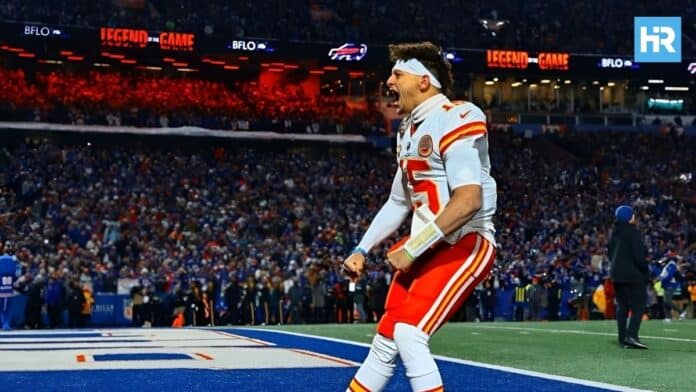
The 2017 trade for Patrick Mahomes changed the Kansas City Chiefs and the Buffalo Bills in big ways. Find out how this deal shaped both teams and the NFL over five years.

Key Takeaways
  • The 2017 trade that brought Patrick Mahomes to the Chiefs reshaped the NFL, and Kansas City led the league to multiple championships.
  • All players acquired by the Bills through the trade have since left the team, highlighting the trade’s long-term impact.
  • The trade exemplifies the unpredictable nature of draft picks and the importance of strategic decision-making.

2017 Patrick Mahomes Trade: Turning Point in NFL

Sometimes, a single sports moment can change history. In 2017, the Kansas City Chiefs and the Buffalo Bills made such a momentous decision by agreeing on a draft-day trade.

This trade allowed the Chiefs to move up to the 10th spot to select Texas Tech quarterback Patrick Mahomes.

In return, the Bills received the 27th overall pick, a 2017 third-round pick, and a 2018 first-round pick.

Kansas City’s Victory: The Rise of Patrick Mahomes

No one can dispute the impact of Patrick Mahomes on the NFL.

Since taking over as the starting quarterback, Mahomes has led the Chiefs to three Super Bowl titles and earned two regular-season MVP awards.

His arrival transformed the Chiefs from a cursed franchise into perennial contenders, practically guaranteeing them a spot in the AFC title game each year.

Buffalo’s Outcome: Analyzing the Trade Results

In the NFL, the salary cap often feels like an illusion, but it is very real, as the Bills demonstrated.

The Bills made several moves to balance their salary cap for the 2024 season.

They restructured Von Miller’s contract and released center Mitch Morse, safety Jordan Poyer, and cornerback Tre’Davious White.

White, a key player obtained from the Mahomes trade, will be designated a post-June 1 cut for financial reasons.

Analyzing the Trade’s Long-Term Impact on the Bills

The 2017 NFL trade gave the Bills three picks: the 2017 first-round pick, used to draft Tre’Davious White; the 2017 third-round pick, traded to acquire Zay Jones; and the 2018 first-round pick, swapped to bring Tremaine Edmunds to Buffalo.

However, all these players had moved on. Jones was traded in 2019, Edmunds joined the Bears as a free agent in 2023, and White is set to be released.

The only remaining connection to the trade is Tommy Doyle, drafted with a pick obtained in the Jones trade.

However, due to injuries, he has only played 12 games, making it unlikely that he’ll become a significant player.

Winners and Losers of the Mahomes Trade

Given Mahomes’ continued success with the Chiefs, it is clear who won the trade.

The Chiefs secured a generational talent, while the Bills’ acquisitions have moved on, leaving Buffalo without long-term gains from the trade.

Securing Josh Allen: Buffalo’s Quarterback Solution

Despite this, the Bills have not languished in mediocrity. In 2018, they executed another draft-day trade to move up and select Josh Allen.

While Allen hasn’t reached Mahomes’ level of success, he has become a cornerstone for the Bills, demonstrating that one good pick can still salvage a team’s future.

Understanding Draft Picks: Lessons from the Mahomes Trade

The Mahomes trade and the subsequent selection of Allen highlight the unpredictable nature of draft picks.

Draft picks can be valuable assets, but they do not always guarantee success.

A seemingly favorable trade can turn sour if the selected players don’t pan out. Conversely, a single strategic pick can dramatically improve a team’s fortunes.

Ultimately, the success of a draft hinges on the skill of an organization’s front office and scouting staff. Drafting is a gamble, but informed decisions increase the odds of success. While it’s easy to say “just draft a franchise quarterback” from the sidelines, the reality is far more complex.

The Mahomes trade reminds us that drafting elite talent is a game-changer but also fraught with risk. The right pick can lead to unparalleled success, but it requires astute decision-making and a bit of luck.

Braves’ Strategy: Acquiring a 4-Time All-Star for Acuna

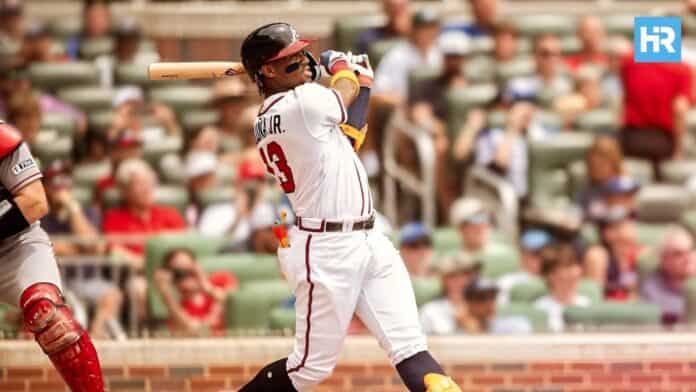
The Atlanta Braves are facing a challenging season after losing their star player, Ronald Acuna Jr., to a devastating ACL injury.

This setback has forced the team to explore options for replacing him while addressing concerns within their pitching rotation.

Key Takeaways
  • The Braves are searching for a replacement after Acuna Jr. suffered a season-ending ACL injury.
  • The Braves might target George Springer from the Toronto Blue Jays or other high-profile outfielders like Kyle Tucker from the Houston Astros.
  • Beyond replacing Acuna Jr., the Braves may also need to bolster their pitching rotation before the trade deadline.

Braves’ Quest to Replace Ronald Acuna Jr.

Heading into June, the Atlanta Braves had a solid 32-23 record but faced challenges keeping up with the red-hot Philadelphia Phillies, who currently hold the best record in the league.

The Braves’ efforts are commendable, especially considering the early-season loss of ace Spencer Strider after just two starts.

However, the situation worsened dramatically when their top star, 2023 National League MVP Ronald Acuna Jr., tore his ACL.

This injury occurred while Acuna Jr. was caught leaning too far from second base, delivering a crushing blow to the Braves’ World Series aspirations.

The team, having won over 100 games in the past two seasons, now faces the daunting task of filling the massive gap left by Acuna Jr.’s absence.

The Braves have publicly indicated a preference for addressing this issue internally. However, if Adam Duvall cannot adequately fill Acuna Jr.’s role, they may look outside the organization for a solution.

MLB insider Jon Heyman has already suggested one potential target.

Considering George Springer as a Replacement

On Friday, Jon Heyman of the New York Post suggested that the Toronto Blue Jays might soon place four-time All-Star George Springer on the trade block.

To facilitate a worthwhile MLB trade, the Blue Jays would likely need to cover most of Springer’s $25 million salary. Heyman also identified the Braves as a “potential fit” for acquiring Springer.

The Braves, known for their prudent financial management, would find this appealing.

Although they wouldn’t need to pay Springer’s salary for the remainder of the season, he still has two years and over $48 million left on his six-year, $150 million contract signed in 2021.

However, it’s worth noting that Springer is currently experiencing one of the worst seasons of his career, with a slash line of .209/.306/.310.

Braves Weigh Costs of Acquiring Astros’ Kyle Tucker

While Springer’s performance this season raises concerns, the Braves might also consider trading for Houston Astros outfielder Kyle Tucker.

The Astros, struggling this year, might be willing to sell. Tucker, emerging as a star, is under contract through 2025. Acquiring him, however, would be costly.

Alex Anthopoulos, the Braves’ general manager, hinted at potential moves during a Memorial Day Weekend appearance on 680 The Fan.

Anthopoulos acknowledged the need to address the outfield, given the pressure on Michael Harris II and the limited outfield depth.

A trade for Tucker would likely involve giving up top pitching prospects like Hurston Waldrep and AJ Smith-Shawver.

Challenges of Acquiring High-Profile Talent

Acquiring a player like Tucker would be expensive, possibly requiring the Braves to part with their top minor-league pitchers.

This situation places additional pressure on their already strained pitching staff. Despite these challenges, the Braves need to make strategic moves to remain competitive.

Anthopoulos’ past success in rebuilding the outfield mid-season, as seen in 2021, offers some hope. However, the cost of acquiring a high-profile talent like Tucker might be prohibitive.

Strengthening the Braves’ Pitching Rotation

While replacing Acuna Jr. is a priority, the Braves also need to bolster their pitching rotation. ESPN’s Jeff Passan reported that despite offensive struggles, the Braves’ primary need is pitching.

The loss of Spencer Strider to season-ending surgery exacerbates this need. Additionally, concerns about Chris Sale’s potential regression and the reliability of other pitchers add to the urgency.

Max Fried has been solid, but other pitchers face questions about their rotation longevity.

Charlie Morton, who will turn 41 in November, and newcomer Spencer Schwellenbach highlight the uncertainties.

The Braves have one of the most dominant pitching rotations, but Strider’s absence leaves a significant gap.

Potential Moves Before the Trade Deadline

As the July 30 MLB trade deadline approaches, Braves general manager Alex Anthopoulos will likely seek additional pieces to bolster the lineup and the pitching staff.

The team’s World Series window remains open, and while catching the Phillies might be challenging, securing a strong position for the playoffs is still within reach.

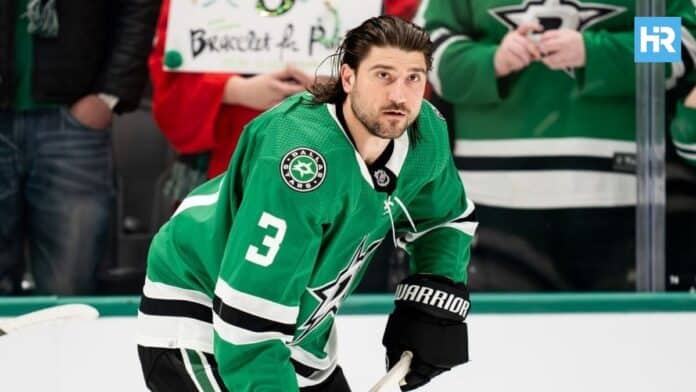
Chris Tanev’s Injury and Recovery: Latest Updates for Stars Defenseman

Chris Tanev Injury Update

Chris Tanev, the Dallas Stars’ defenseman, shares details about his playoff injury and recovery plans. Learn how Tanev’s resilience and defensive prowess have made him a key player despite injuries.

Key Takeaways
  • Chris Tanev suffered a lower-body injury in Game 4 of the Western Conference Final but will not require surgery.
  • Despite his injury, Tanev continued to play in Games 5 and 6, showcasing his resilience and commitment to the team.
  • Tanev, a key defenseman, has been crucial for the Stars’ defense, significantly impacting their performance since his acquisition.

Injury Sustained in Game 4 Against Edmonton

Chris Tanev has earned a reputation as a “warrior” in the NHL. He is known for his exceptional shot-blocking and defensive skills and his ability to play through injuries.

During the Dallas Stars’ Western Conference final run this spring, Tanev faced multiple challenges, from dental work to a lower-body injury.

In Game 4, Tanev suffered a lower-body injury, specifically an ankle injury, after blocking a shot by Edmonton Oilers winger Evander Kane.

The impact left him momentarily incapacitated as he skated off the ice.

Reflecting on the incident, Tanev shared, “Got hit with a puck, and next shift, I jumped on the ice, took a step, and felt something pop in my ankle. Obviously, right away, you’re thinking the worst and thinking, ‘Oh, man. I just popped my Achilles.’ Thankfully it wasn’t that. I just hurt some of the tendons that go behind my ankle. No surgery. I’ll be fine in a couple of weeks, which is awesome.

Staying in the Game: Tanev’s Commitment to the Team

Despite his injury, Tanev played in Games 5 and 6, showing his determination and resilience.

Tanev mentioned that he would have continued playing even if the Stars had advanced to the Stanley Cup Final.

100%. Take my leg,” he joked. “If there’s a chance and there’s things that they can do to help you play in a situation like that, you’re going to exhaust all options to get out there and try to help the team.

Tanev’s Impact & Future with the Stars

Tanev played a crucial role for the Stars throughout the postseason, participating in all 19 games and recording two assists.

His average ice time was 22:17 per night, and he maintained a plus-seven in plus-minus. As an unrestricted free agent this offseason, his future with the team remains uncertain.

Stars coach Pete DeBoer described Tanev’s importance to the group.

Huge part of our group. I think that’s obvious. You look at our record since the [NHL] Trade Deadline with him (15-4-0 in regular season, 10-7 in Stanley Cup Playoffs) and all the underlying numbers, he affects all parts of the game,” he said.

Stars Rally with Next-Man-Up Mentality

Tanev’s presence in the defense line has been a very important development in the NHL histroy. He ranks second in the playoffs with 68 blocked shots, just behind New York Rangers defenseman Jacob Trouba.

His defensive efforts have been instrumental in the Stars’ playoff performance.

Stars forward Jason Robertson acknowledged Tanev’s contributions, saying, “I’m not too sure what he’s doing or how it’s going, but obviously he’s a big part of our team, plays a lot of minutes, hard minutes… But it’s those situations where every team’s dealing with injuries or whatnot, guys coming in and out of the lineup, and it’s the next-man-up mentality. Whatever happens happens, but we have the character and the players in this room to fill any void for any position.

Stars’ Defensive Resilience Amidst Injuries

The Stars faced challenges with their defensive depth throughout the playoffs. With key players like Jani Hakanpää out due to injury, the team relied on other defensemen like Alexander Petrovic and Nils Lundkvist.

Petrovic, despite limited playoff experience, stepped up effectively.

DeBoer highlighted the importance of every player contributing, “As Petrovic has shown, you don’t have to have played games. ‘Petro’ didn’t play a game all year, has come in and done a fantastic job for us. We’ll consider all those things when we’re looking at the group of guys that are an option.

Tanev’s Legacy and Future with the Stars

Tanev’s postseason journey has been a testament to his resilience and dedication.

Acquired from the Calgary Flames in a three-team trade, Tanev quickly became an essential part of the Stars’ defense.

His determination and performance under pressure have solidified his reputation as a “warrior” on the ice.

As the Stars look towards the future, Tanev’s contributions will undoubtedly be remembered as a significant part of their playoff journey.

Fort Lee Woman Charged with Aggravated Manslaughter in 12-Year-Old’s Death

Fort Lee Woman

A Fort Lee woman, Frances Caso, has been charged with aggravated manslaughter following the overdose death of a 12-year-old girl in her care.

Authorities found evidence of drug use and paraphernalia at the scene. Learn about the details of the case and the ongoing investigation.

Key Takeaways
  • Frances Caso, a 48-year-old Fort Lee woman, is charged with aggravated manslaughter following the overdose death of a 12-year-old girl.
  • Authorities discovered multiple drugs and paraphernalia at the scene, indicating a possible overdose.
  • Caso faces multiple charges, including endangering the welfare of a child and drug possession.

Incident and Initial Response

On May 25, Fort Lee police responded to a distressing call from a home on Maple Street. They found a 12-year-old girl unresponsive.

Despite being rushed to Hackensack University Medical Center, the girl was pronounced dead. Authorities quickly suspected a drug overdose due to evidence found at the scene.

Charges Escalate in Fort Lee Overdose Case

The Bergen County Prosecutor’s Office launched an immediate investigation. They identified Frances Caso, 48, as a person of interest.

Caso, along with three other juveniles, was present at the time of the overdose.

A search of the residence revealed multiple controlled dangerous substances and drug paraphernalia.

Initially, Caso was charged with endangering the welfare of a child, possession of controlled substances, and possession of drug paraphernalia.

However, as the investigation progressed, authorities added a first-degree aggravated manslaughter charge.

Breakdown of Charges Against Frances Caso

Frances Caso’s charges are as follows:

  • First-degree aggravated manslaughter
  • Second-degree endangering the welfare of a child (one count)
  • Third-degree endangering the welfare of a child (three counts)
  • Third-degree drug possession (two counts)
  • Fourth-degree possession of drug paraphernalia

Ongoing Legal Proceedings

Caso remains in the Bergen County Jail pending a detention hearing. The case has attracted much attention, and the Bergen County Prosecutor’s Office is watching it closely.

Detectives from multiple units, including the Major Crimes Unit, Narcotic Task Force, and Special Victims Unit, collaborate with the Fort Lee Police Department.

The investigation is ongoing, and no additional information will be released until it concludes.

Fort Lee Community Reels from Tragic Incident

The tragic death of the young girl has shaken the Fort Lee community.

Local authorities urge residents to be vigilant and report suspicious activities, especially those involving juveniles and drugs.

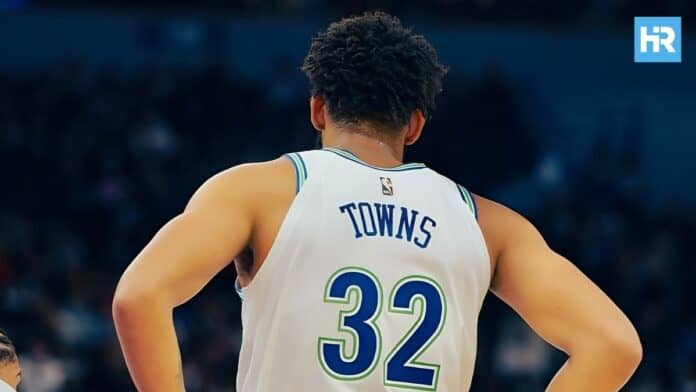
Top 3 NBA Trade Destinations for Karl-Anthony Towns

Top 3 NBA

Analysis of potential destinations for Karl-Anthony Towns in the NBA offseason, including details of his contract, trade scenarios with teams like the Nets, Bulls, and Cavs, and the strategic implications for both the Timberwolves and the acquiring teams.

Key Takeaways
  • Karl-Anthony Towns’ four-year, estimated $221 million contract and the Timberwolves’ financial constraints create a compelling case for exploring trade options.
  • Trade scenarios involving the Brooklyn Nets, Chicago Bulls, and Cleveland Cavaliers present intriguing possibilities for both Towns and the Timberwolves.
  • The strategic implications of these potential trades could significantly reshape the dynamics of multiple NBA teams in the upcoming season.

Karl-Anthony Towns’ Trade Potential and Team Fit

The Minnesota Timberwolves’ impressive season, culminating in a Western Conference Finals appearance, has sparked discussions about Karl-Anthony Towns’ future.

While a key player for the team, Towns’ inconsistent performance and sizable contract have raised questions about his fit within the organization.

With limited spending power in free agency and impending cap troubles, the Timberwolves may explore trading Towns to address other roster needs.

Anthony Towns’ $221M Contract: Trade & Cap Implications

Karl-Anthony Towns is currently signed on a lucrative four-year contract estimated at $221 million.

His salary for the upcoming 2024-25 season is projected to be around $49.4 million, with subsequent increases in the following years.

Given the Timberwolves’ restricted financial position as a second apron team, any NBA trade involving Towns must adhere to the salary limitations imposed by the team’s cap situation.

Potential Trade Scenarios

1. Karl-Anthony Towns to the Brooklyn Nets

Trade Details:

  • Nets Receive: Karl-Anthony Towns
  • Wolves Receive: Cameron Johnson, Dennis Schroder, Cam Thomas, 2027 Suns first-round pick

The acquisition of Towns could provide the Nets with a formidable scoring option, potentially complementing Mikal Bridges and mitigating Ben Simmons’ shooting deficiencies.

In exchange, the Wolves would gain valuable assets, including enhanced shooting with Johnson and much-needed shot creation from Thomas and Schroder, contributing to improved financial flexibility.

2. Karl-Anthony Towns to the Chicago Bulls

Trade Details:

  • Bulls Receive: Karl-Anthony Towns
  • Wolves Receive: Zach LaVine

The potential trade would offer the Bulls a significant upgrade in Towns, addressing their need for a versatile big man with scoring prowess.

For the Wolves, acquiring LaVine would enhance their scoring options and provide a familiar talent with the potential to synergize effectively with Anthony Edwards.

3. Karl-Anthony Towns to the Cleveland Cavaliers

Trade Details:

  • Cavs Receive: Karl-Anthony Towns
  • Wolves Receive: Darius Garland, Dean Wade

The trade would offer the Cavaliers an ideal pairing for Evan Mobley in Towns, addressing their need for a skilled big man with shooting capabilities.

For the Wolves, acquiring Garland and Wade would bring a dynamic scoring guard and a reliable defender, contributing to improved financial positioning for the team.

In summary, the upcoming decision about Karl-Anthony Towns’s future with the Minnesota Timberwolves is a big deal for the team and other possible trading teams.

The trade options with the Brooklyn Nets, Chicago Bulls, and Cleveland Cavaliers offer interesting chances to change team rosters and financial plans.

As the offseason goes on, what happens with Towns is likely to change how several NBA teams work, and that’s something that basketball fans and experts will be paying close attention to.

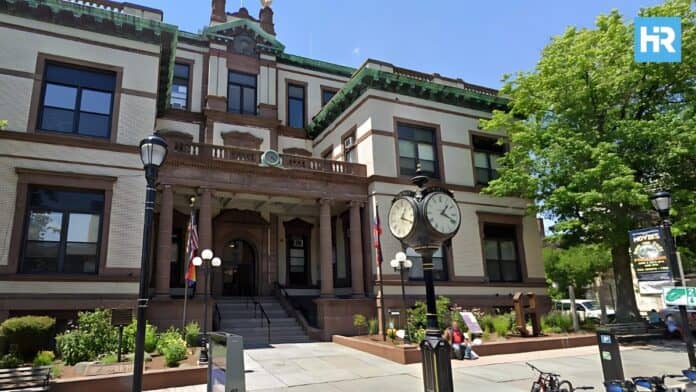
Hoboken City Clerk Rejects Rent Control Petition: Landlord Group Fights Back

Hoboken Rejects Rent Control

The Hoboken City Clerk rejected a petition for a rent control referendum. The landlord group, MSTA, vows to continue collecting signatures despite opposition.

Key Takeaways
  • The petition for a rent control referendum was rejected due to insufficient valid signatures.
  • The Mile Square Taxpayers Association (MSTA) vows to continue collecting signatures.
  • The petition faced significant opposition from city officials and community members.

Petition for Rent Control Referendum Rejected

Hoboken’s City Clerk has rejected a petition that called for a referendum to amend the city’s Rent Control Ordinance.

The proposed changes would have allowed rent-controlled properties to be listed at market rates once a tenant leaves, with landlords contributing $2,500 to the Affordable Housing Trust Fund for each vacancy.

Why Hoboken’s Rent Control Petition Failed

The petition, submitted by the Mile Square Taxpayers Association (MSTA) on May 21, 2024, included 2,162 signatures.

However, according to City Clerk James Farina, who cited N.J.S.A. 40:69A-187, only 802 were found to be valid. This fell short of the required 1,365.6 valid signatures.

The Committee of Petitioners has 10 days to amend or cure their petitions. This review will be certified to the Council at the next meeting on June 5, 2024.

MSTA Challenges Signature Rejection, Alleges Errors

The MSTA, represented by Executive Director Ron Simoncini, expressed strong dissatisfaction with the Clerk’s Office’s decision.

Simoncini alleged that entire pages of signatures were improperly rejected and that the Clerk’s Office used an incorrect total ballot count for verification.

According to Simoncini, the actual number of ballots cast in November 2023 was 8,935, not the 13,000+ used by the Clerk’s Office.

Simoncini vowed to continue the fight, stating that the rejection only strengthened their resolve to gather more signatures and challenge the Clerk’s assessment.

He suggested that the MSTA might pursue legal action if necessary.

City Officials Argue Against Rent Control Referendum

City Council members and the Mayor have expressed significant opposition to the proposed referendum.

They argue that allowing rent-controlled properties to be listed at market rates would lead to the loss of affordable housing units in Hoboken.

Critics also contend that the $2,500 contributions to the Affordable Housing Trust Fund would only result in a few new affordable units when pooled together.

Petitioners’ Plan to Meet Signature Requirement

The Committee of Petitioners now has ten days to amend their petition. This process involves collecting additional valid signatures to meet the required threshold.

Rent control advocate Cheryl Fallick noted that it is common to collect twice the needed signatures to ensure enough valid ones for certification.

Simoncini mentioned that if the necessary number of signatures is achieved, the petitioners could opt for a special election or include the referendum in the general election ballot.

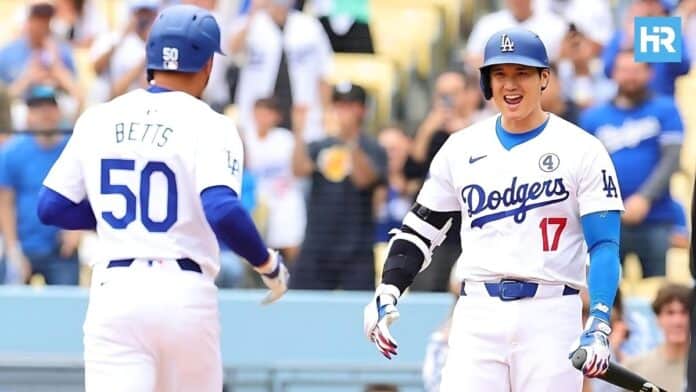
Top 15 Highest-Paid MLB Players of 2026: Earnings, Contracts, and Endorsements

In 2024, Shohei Ohtani and Yoshinobu Yamamoto led MLB’s highest-paid players, earning $67 million and $60 million, respectively. Endorsements heavily boosted Ohtani’s earnings.

Key Takeaways
  • Shohei Ohtani tops the list with $67 million in earnings despite a $2 million salary.
  • Yoshinobu Yamamoto joins the Dodgers with a $60 million income, including a record $50 million signing bonus.
  • Endorsements play a huge role in Ohtani’s earnings, with $65 million off-field, surpassing many global sports stars.

Top MLB Earners of 2024

Here are the biggest earners of MLB this season:

Shohei Ohtani: Highest-Paid Player in Baseball

Shohei Ohtani has redefined what it means to be a top earner in Major League Baseball.

Despite having only a $2 million salary from the Los Angeles Dodgers for the 2024 season, Ohtani’s total earnings reach $67 million.

This is largely due to his $65 million in endorsement deals, which make him a unique figure in baseball and global sports.

His endorsement portfolio includes major brands like New Balance, which recently launched a new logo featuring Ohtani.

Ohtani’s contract with the Dodgers is worth $700 million over ten years. However, 97% of this amount is deferred, meaning the annual value varies depending on how you calculate it.

For example, the luxury tax calculation uses $46.1 million annually, while Ohtani’s 2024 payout is only $2 million. The deferred money ensures he will receive $68 million annually from 2034 to 2043.

Yoshinobu Yamamoto: New Star in the MLB

Yoshinobu Yamamoto joined the Dodgers with a 12-year, $325 million contract, making him the second-highest-paid player in 2024 with $60 million.

His income includes a $50 million signing bonus, the highest ever for an overseas player. The Dodgers also paid a $50.6 million posting fee to his former team in Japan, the Orix Buffaloes.

Yamamoto’s 2024 base salary is $5 million, with an additional $5 million from endorsements, including a significant deal with Nike.

He also has partnerships with Fanatics and several Japanese brands. His on-field performance has been stellar, earning him the Pacific League MVP for the past three seasons.

15 Highest-Paid MLB Players in 2024

  1. Shohei Ohtani (Los Angeles Dodgers): $67 million (Salary: $2 million | Endorsements: $65 million)
  2. Yoshinobu Yamamoto (Los Angeles Dodgers): $60 million (Salary: $55 million | Endorsements: $5 million)
  3. Max Scherzer (Texas Rangers): $54 million (Salary: $52 million | Endorsements: $2 million)
  4. Aaron Judge (New York Yankees): $46 million (Salary: $40 million | Endorsements: $6 million)
  5. Justin Verlander (Houston Astros): $44.5 million (Salary: $43.3 million | Endorsements: $1.2 million)
  6. Jose Altuve (Houston Astros): $43.5 million (Salary: $41 million | Endorsements: $2.5 million)
  7. Mike Trout (Los Angeles Angels): $40.5 million (Salary: $35.5 million | Endorsements: $5 million)
  8. Jacob deGrom (Texas Rangers): $40.4 million (Salary: $40 million | Endorsements: $400,000)
  9. Corey Seager (Texas Rangers): $38.5 million (Salary: $34.5 million | Endorsements: $4 million)
  10. Anthony Rendon (Los Angeles Angels): $38.3 million (Salary: $38 million | Endorsements: $250,000)
  11. Gerrit Cole (New York Yankees): $38 million (Salary: $36 million | Endorsements: $2 million)
  12. Carlos Correa (Minnesota Twins): $37.5 million (Salary: $36 million | Endorsements: $1.5 million)
  13. Juan Soto (New York Yankees): $34 million (Salary: $31 million | Endorsements: $3 million)
  14. Bryce Harper (Philadelphia Phillies): $33 million (Salary: $26 million | Endorsements: $7 million)
  15. Giancarlo Stanton (New York Yankees): $32.3 million (Salary: $32 million | Endorsements: $250,000)

Shohei Ohtani’s Endorsement Dominance in 2024

Shohei Ohtani, a top player for the Los Angeles Dodgers, is making huge income from endorsements in 2024.

Although his baseball salary is only $2 million, he will earn a total of $67 million this year.

This is because he has $65 million coming from endorsement deals. His major deals include brands like New Balance, which even created a new logo featuring him.

Ohtani’s endorsements are much higher than those of other baseball players. For example, Bryce Harper, who is second in endorsement earnings, makes $7 million from endorsements.

Ohtani’s ability to attract these deals resembles global basketball and soccer stars like LeBron James and Cristiano Ronaldo.

He has nearly 20 endorsement deals, with New Balance being the most valuable.

The move to the Dodgers has also boosted Ohtani’s off-field value. When he was with the Angels, he never made the playoffs, but the Dodgers have a strong playoff history. This makes Ohtani even more appealing to brands.

Power of MLB Agents in Player Earnings

In Major League Baseball, agents are important in negotiating contracts and securing high earnings for players. One of the most influential agents is Scott Boras.

His agency, Boras Corp., represents fewer than 10% of all MLB players, but those players make up 60% of the 25 highest salaries in baseball for 2024.

Boras has a reputation for securing massive deals for his clients. For instance, despite some criticism about smaller deals for certain players, Boras clients still dominate the list of top-paid players.

His agency’s expertise in negotiating contracts ensures that his clients get the best possible deals.

Agents like Boras focus not only on salaries but also on securing endorsements and other off-field earnings for players. This comprehensive approach helps players maximize their total income.

In summary, Shohei Ohtani and Yoshinobu Yamamoto have set new standards in MLB earnings for 2024.

Ohtani’s incredible endorsement deals, unique contract structure, and Yamamoto’s big signing bonus and endorsements show how the financial world of Major League Baseball is changing.

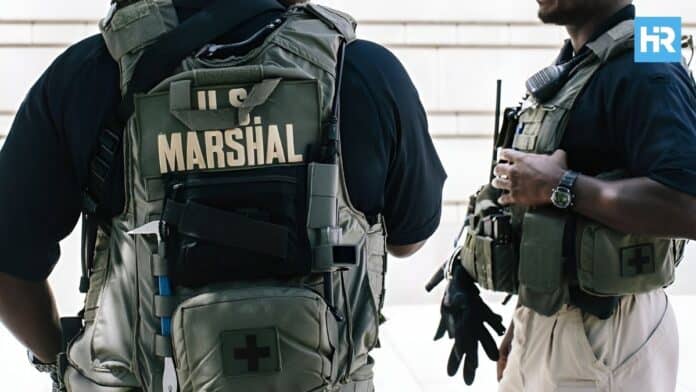
Grand Jury Clears U.S. Marshals in Jersey City Shooting Incident

A grand jury decided not to file charges against two Deputy U.S. Marshals involved in the fatal shooting of Esteban DeJesus Jr. in Jersey City. The investigation, led by the Office of Public Integrity and Accountability, concluded that the officers acted within their legal rights.

Key Takeaways
  • The grand jury decided no criminal charges for the two Deputy U.S. Marshals involved in the fatal shooting of Esteban DeJesus Jr.
  • DeJesus was wanted for murder and attempted murder in Orlando, Florida, and approached the marshals with a machete, disregarding commands.
  • The investigation followed strict procedures to ensure transparency and neutrality, ultimately concluding the marshals acted lawfully.

Jersey City Shooting: Investigation and Verdict

In a decision announced recently, a state grand jury has chosen not to file criminal charges against two Deputy U.S. Marshals involved in the fatal shooting of Esteban DeJesus Jr., a 56-year-old man from Orlando, Florida.

This incident took place in Jersey City on July 8, 2023. The Deputy U.S. Marshals were part of the New York/New Jersey Regional Fugitive Task Force.

The Office of Public Integrity and Accountability (OPIA), under Attorney General Matthew Platkin, conducted an exhaustive investigation into the incident.

This investigation included collecting and analyzing interviews, photographs, ballistics, and autopsy results provided by the medical examiner. The findings were then presented to the state grand jury.

After reviewing the evidence and testimonies, the grand jury voted “no bill,” indicating that no criminal charges should be filed against the marshals.

This decision came after a thorough review process intended to ensure neutrality, objectivity, and transparency, as mandated by the 2019 Independent Prosecutor Directive in New Jersey.

New Jersey Shooting: Background & Details

On the evening of July 8, 2023, members of the Fugitive Task Force were in Jersey City to assist the Orlando City Police Department in locating and apprehending Esteban DeJesus Jr.

He was wanted for murder and attempted murder related to a shooting incident that occurred in Orlando on July 7, 2023.

At approximately 11:10 p.m., the two Deputy U.S. Marshals, accompanied by a state trooper, encountered Mr. DeJesus near Jefferson Avenue.

According to the officers’ statements, Mr. DeJesus approached them, wielding a machete, and ignored repeated commands to drop the weapon. In response, the two Deputy U.S. Marshals discharged their firearms, striking DeJesus.

He was quickly transported to Jersey City Medical Center, where he was pronounced dead shortly after arrival.

Legal Requirements for Investigation

New Jersey law N.J.S.A. 52:17B-107(a)(2) requires the Attorney General’s Office to investigate deaths that occur during law enforcement encounters.

Such investigations must be presented to a grand jury to determine whether the evidence supports criminal charges against the officers involved.

The grand jury receives instructions on potential criminal offenses and legal justifications, including self-defense.

Neutrality and Objectivity in Investigation

In accordance with the 2019 Independent Prosecutor Directive, the investigation was conducted with strict neutrality and transparency.

A conflict check confirmed no conflicts of interest among the investigators. OPIA Executive Director Drew Skinner reviewed the investigation to ensure adherence to standard operating procedures.

Grand Jury Decision and Findings

The Office of Public Integrity and Accountability (OPIA) investigated the incident in compliance with New Jersey law, which mandates investigations of deaths occurring during encounters with law enforcement officers.

The investigation involved thorough interviews, analysis of photographs, ballistics, and autopsy results from the medical examiner. This evidence was then presented to a state grand jury.

After reviewing the evidence and hearing testimonies, the grand jury concluded its deliberations on May 20, 2024, and voted “no bill,” meaning no criminal charges would be filed against the two officers.

This decision indicated that the jurors found no basis for criminal charges, concluding that the officer’s actions were justified under the circumstances.

Post-Decision Administrative Review and Oversight

Following the grand jury’s decision, OPIA evaluates whether the case should be referred to an appropriate law enforcement agency for administrative review under the Attorney General’s Internal Affairs Policy & Procedures.

OPIA oversees any ensuing review to ensure timely and appropriate actions based on the investigation’s outcomes.

In summary, the grand jury’s decision not to charge the two Deputy U.S. Marshals in the shooting of Esteban DeJesus Jr. shows how difficult and complex law enforcement work can be.

The thorough investigation conducted by the Office of Public Integrity and Accountability (OPIA) adhered to strict protocols to ensure neutrality and transparency.

The grand jury concluded that the marshals acted lawfully in a high-risk encounter by examining all evidence, including officer statements, ballistics, and autopsy results.

This case shows the rigorous oversight and accountability mechanisms in place to investigate law enforcement actions and ensure justice and fairness for all parties involved.

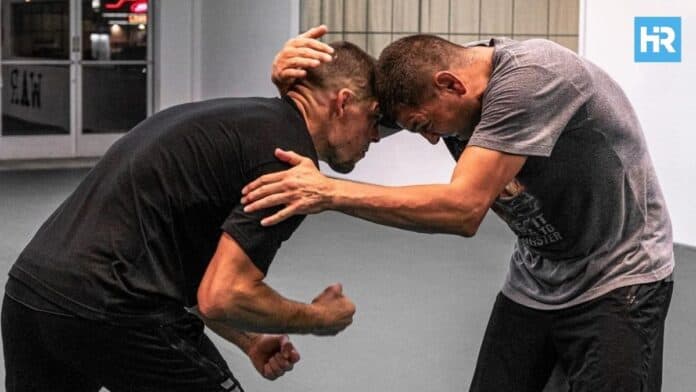
UFC Legends Nick Diaz and Tony Ferguson Return for Abu Dhabi Showdown

Nick Diaz and Tony Ferguson are set to return to UFC on ABC 7 in Abu Dhabi on August 3. Diaz will face Vicente Luque, while Ferguson will take on Michael Chiesa.

UFC President Dana White hints at Ferguson’s possible final fight with an exciting lineup featuring Cory Sandhagen vs. Umar Nurmagomedov.

Key Takeaways
  • Nick Diaz and Tony Ferguson will return to the octagon at UFC on ABC 7 in Abu Dhabi on August 3.
  • Diaz will face Vicente Luque in a five-round co-main event, while Ferguson will take on Michael Chiesa.
  • Both fighters aim to break losing streaks and potentially end their careers on a high note.

Diaz and Ferguson: Fan Favorites Return to UFC

On Wednesday morning, UFC CEO Dana White announced the highly anticipated return of legendary fighters Nick Diaz and Tony Ferguson.

Both MMA veterans will step into the octagon once again at UFC on ABC 7, UFC scheduled for August 3 at Etihad Arena in Abu Dhabi.

Diaz, known for his resilient fighting style and iconic status in the UFC alongside his brother Nate, will face Vicente Luque in a five-round co-main event.

Ferguson, a fan favorite for his unpredictable and aggressive fighting style, will take on Michael Chiesa in a welterweight bout on the main card.

Diaz vs. Luque: A Clash for Redemption

Nick Diaz, now 40, hasn’t fought since his loss to Robbie Lawler in 2021, which marked his first fight in six years.

Diaz, who hasn’t won a bout since his victory over B.J. Penn in 2011, is eager to end his four-fight losing streak.

His opponent, Vicente Luque, also seeks redemption. He has lost three of his last four fights, his most recent defeat being a TKO loss to Joaquin Buckley in March.

Ferguson vs. Chiesa: Battle for Legacy

Tony Ferguson, another veteran fighter aged 40, is set to fight Michael Chiesa.

Ferguson is on a seven-fight losing streak, with his last bout ending in a unanimous decision loss to Paddy Pimblett in December 2023.

Dana White hinted that this “could be” Ferguson’s final fight, adding to the high stakes of this welterweight clash.

Additional Highlight Fights at UFC on ABC 7

Apart from the headlining bouts featuring Diaz and Ferguson, the UFC on ABC 7 card boasts several other exciting matchups:

  • Cory Sandhagen vs. Umar Nurmagomedov: A bantamweight showdown that promises fireworks as both fighters vie for contender status.
  • Deiveson Figueiredo vs. Marlon Vera: A clash of styles in the flyweight division.
  • Mackenzie Dern vs. Loopy Godinez: A women’s strawweight bout highlighting rising stars.
  • Alonzo Menifield vs. Azamat Murzakanov: A light heavyweight battle with knockout potential.

Nick Diaz’s Potential Future Opponents

Fans and analysts are already speculating about who Nick Diaz might face next if he secures a victory in Abu Dhabi. Here are five potential opponents:

1. Tony Ferguson

If both Diaz and Ferguson lose their respective fights, a matchup between these two veterans could make sense.

They have history, with Ferguson having fought Diaz’s brother Nate at UFC 279. This fight would be a fitting clash between two legendary fighters seeking redemption. Previously, Jake Paul rejected the bout with Ferguson.

2. Conor McGregor

A bout against Conor McGregor, especially if McGregor loses his upcoming fight against Michael Chandler, could generate massive interest.

Diaz and McGregor have a well-documented rivalry, and a fight between them would be a significant draw for the UFC.

3. Colby Covington

Diaz reportedly expressed interest in fighting former interim welterweight champion Colby Covington.

This fight would pit Diaz against one of the most controversial figures in the UFC, offering a classic matchup of fan-favorite versus villain.

4. Kevin Holland

A dynamic and entertaining fighter, Kevin Holland could be another potential opponent for Diaz. Holland’s unpredictable style and Diaz’s veteran experience would make for an exciting fight.

5. Rafael Dos Anjos

Former lightweight champion Rafael Dos Anjos, who recently moved back to welterweight, could also be a suitable opponent.

Dos Anjos has a history with the Diaz family, defeating Nate Diaz in 2015. A fight between Dos Anjos and Nick Diaz would be a nostalgic matchup for longtime fans.

Watch UFC on ABC 7: Diaz, Ferguson, and More in Action

Mark your calendars for August 3 and witness the thrilling returns of Nick Diaz and Tony Ferguson at UFC on ABC 7 in Abu Dhabi.

With a lineup of exciting fights, this event promises unforgettable moments.

Be sure to tune in and support your favorite fighters as they step back into the octagon for another epic night of mixed martial arts action!

Latest News

Jersey City Faces $250M Deficit, Mayor Takes $1 Salary

Jersey City Releases Report Showing $250 Million Budget Deficit

On February 4, 2026, Mayor James Solomon released a document titled A Report to the People of Jersey City, outlining what it calls a...

Hundreds Rally Against ICE in Jersey City After Recent Immigration Arrests

On one of the coldest days of the year, hundreds of people gathered in Jersey City on Friday to oppose recent actions by U.S....

Coast Guard Conducts Daily Icebreaking Mission to Keep Hudson River Ferries...

Prolonged freezing temperatures have turned large portions of the Hudson River into a hazardous mix of drifting ice and hardened formations that threaten commuter...

Davenport Says NJ Will Investigate and Prosecute ICE When Rights Are...

The Senate Judiciary Committee convened in Trenton on Monday for Acting New Jersey Attorney General Jennifer Davenport’s confirmation hearing, a session that quickly centered...

Ali Accuses Menendez of Copying ICE Abolition Stance in NJ-8 Primary

The Democratic primary in New Jersey’s 8th Congressional District has become a direct fight over immigration enforcement and political credibility, with challenger Mussab Ali...